


Can a Swim Spa Tub Be Used as a Swimming Pool?
2026-04-03 15:35As the demand for aquatic exercise and home hydrotherapy continues to rise, swim spa tubs are garnering increasing attention from the public. Throughout this process, one question is frequently asked:
Can a swim spa tub be used as a swimming pool?
The answer is unequivocal: Yes, it can.
However, to truly understand why this is possible—and in what sense it is possible—one must undertake a systematic and professional analysis based on the swim spa tub's design logic, functional structure, and intended usage.
This article will center on this core question, aiming to help you establish a clear understanding of the relationship between swim spa tubs and traditional swimming pools.
What Is a Swim Spa Tub?
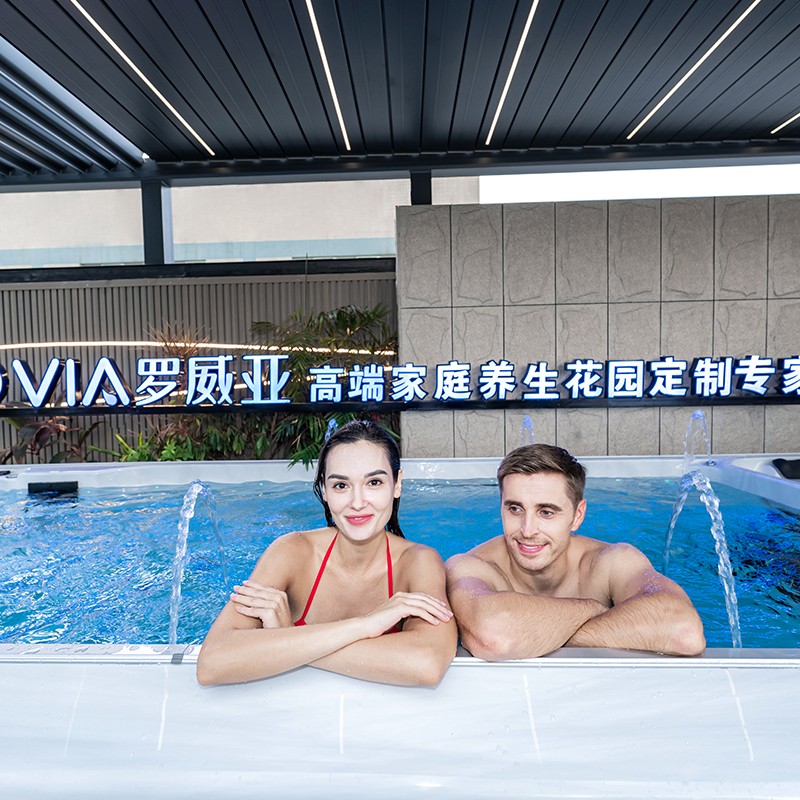
A swim spa tub is an aquatic system that integrates both "swimming functions" and "hydrotherapy functions" into a single unit. It typically features:
•A water depth sufficient to allow for full body immersion.
•A continuous and stable water current system.
•A spatial structure designed to accommodate aquatic exercise.
Compared to standard hot tubs, swim spa tubs are specifically engineered—in terms of length, water flow control, and physical activity space—to possess the distinct "swimming attributes" required for active swimming.
What Are the Core Differences Between a Swim Spa Tub and a Traditional Swimming Pool?
To determine whether a swim spa tub can serve as a swimming pool, one must first understand the fundamental differences between the two.
In essence, these differences primarily manifest in the following areas:
•Scale of the water body.
•Method of exercise.
•Nature of the water flow.
Traditional swimming pools rely on sheer length to provide the necessary space for displacement swimming, whereas swim spa tubs achieve continuous swimming through the use of controllable water currents. This distinction does not negate the swim spa tub's capacity for swimming; rather, it defines its unique mode of operation.
How Does a Swim Spa Tub Enable "Swimming"?
The fundamental reason why a swim spa tub can function as a swimming pool lies in the design of its water current system.
Utilizing pumps and jet systems, a swim spa tub generates a continuous, stable, and directional water flow within a fixed space.
Users swim against this current, thereby enabling:
•Continuous stroking movements.
•A full-body workout.
•A swimming experience comparable to that of a traditional pool.
It is precisely for this reason that a swim spa tub does not require extensive length to fulfill its swimming function.
Is the Water Depth of a Swim Spa Tub Sufficient for Swimming?
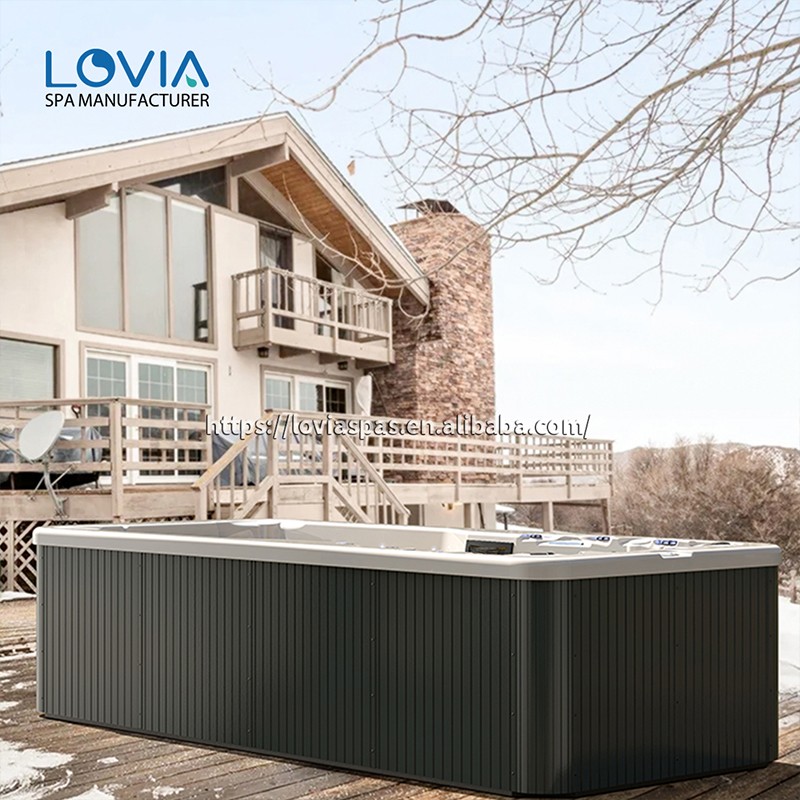
Water depth is a critical metric for determining whether a body of water is suitable for swimming. When designing a swim spa, the following factors are typically taken into consideration:
•Adult body proportions
•Buoyancy requirements in water
•Space required for full range of motion
The water depth is sufficient to support the human body in maintaining stable buoyancy and a standard swimming posture. Therefore, in terms of water depth, a swim spa fully meets the fundamental requirements to function as a swimming pool.
Is swimming in a swim spa restricted by space limitations?
This is often the most immediate question that comes to mind for many people.
Indeed, compared to a traditional swimming pool, a swim spa is shorter in length; however, it is important to emphasize the following:
•A swim spa does not facilitate exercise through "swimming back and forth."
•Instead, it enables continuous swimming by allowing the user to "swim in place against a current."
This method does not compromise the quality of the swimming strokes themselves; on the contrary, it makes the rhythm of the workout more controllable and focused.
Which swimming strokes are suitable for a swim spa?
Based on its structural design and water flow characteristics, a swim spa is suitable for a variety of common swimming strokes, including:
•Freestyle
•Breaststroke
•Backstroke (provided there is sufficient overhead clearance)
The stability and directional consistency of the water flow are the key factors that enable a swim spa to support these various strokes.
How does a swim spa perform in terms of exercise continuity?
Continuity is one of the critical criteria for determining whether a unit can truly serve as a swimming pool.
In a traditional swimming pool, continuity is derived from the length of the pool; in a swim spa, however, continuity is achieved through:
•Uninterrupted water flow output
•Stable control of water speed
As long as the water flow remains steady, a swim spa can support prolonged, uninterrupted swimming sessions.
Does a swim spa meet the specific body posture requirements for swimming?
Standard swimming techniques impose specific requirements regarding body posture, such as:
•Body extension
•Torso stability
•Limb coordination
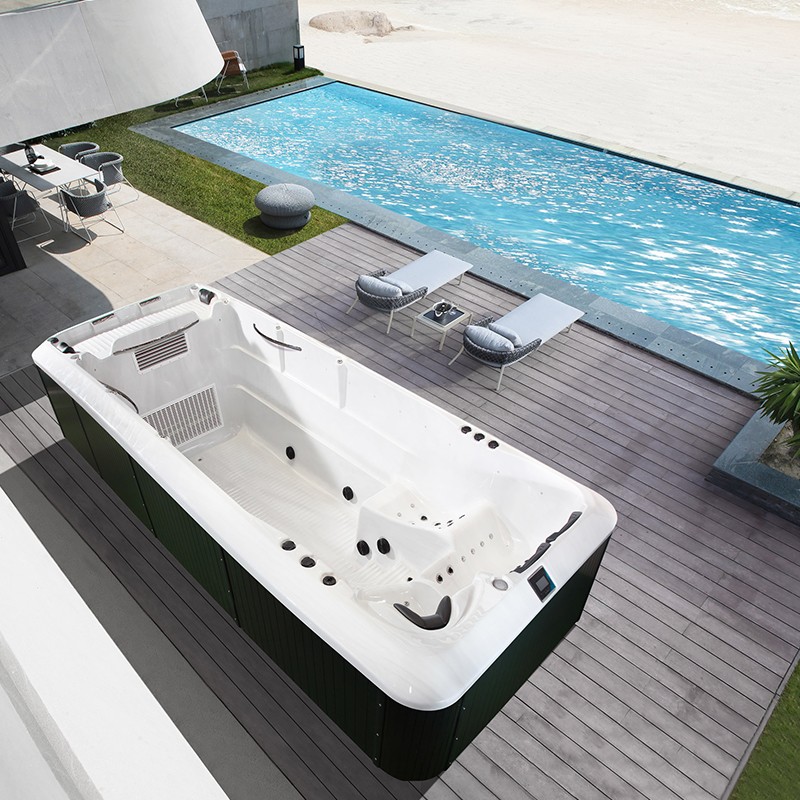
The internal spatial design of a swim spa is specifically engineered around these requirements, ensuring that the human body can maintain a natural, fully extended swimming posture while in the water.
Why is it said that a swim spa offers more than just the ability to "swim"?
From a functional perspective, a swim spa serves as far more than a simple "substitute" for a traditional swimming pool. It is more akin to:
•A controlled swimming environment
•An integrated aquatic fitness space
•A highly concentrated, purpose-built aquatic system
This is precisely why, when asked whether a swim spa tub allows for actual swimming, the answer is a resounding "yes."
Does the stability of the water in a swim spa tub affect the swimming experience?
Water stability directly impacts one's sense of safety and comfort while swimming.
In the design of a swim spa tub, key priorities include ensuring:
•Uniform water flow
•A stable water surface
•The absence of disruptive back currents
These design principles endow the swim spa tub with a high degree of controllability regarding the swimming experience.
From a functional standpoint, can a swim spa tub be classified as a swimming pool?
If we define a swimming pool by the specific function of "enabling the execution of swimming strokes," then the answer is unequivocal:
A swim spa tub can indeed be regarded as a specialized form of swimming pool.
It does not compete on sheer size, but rather achieves the objective of swimming through concentrated functionality and a distinct operational approach.
Why is this affirmative answer not contradictory?
Some might argue:
"Since a swim spa tub is not a swimming pool in the traditional sense, how can one claim it can be used *as* a swimming pool?"
However, from a logical perspective, this is not a contradiction.
This is because:
•The core value of a swimming pool lies in "providing the conditions for swimming."
•The swim spa tub fulfills this very same core requirement.
A difference in form does not equate to a deficiency in function.
Understanding the Relationship Between Swim Spa Tubs and Swimming Pools
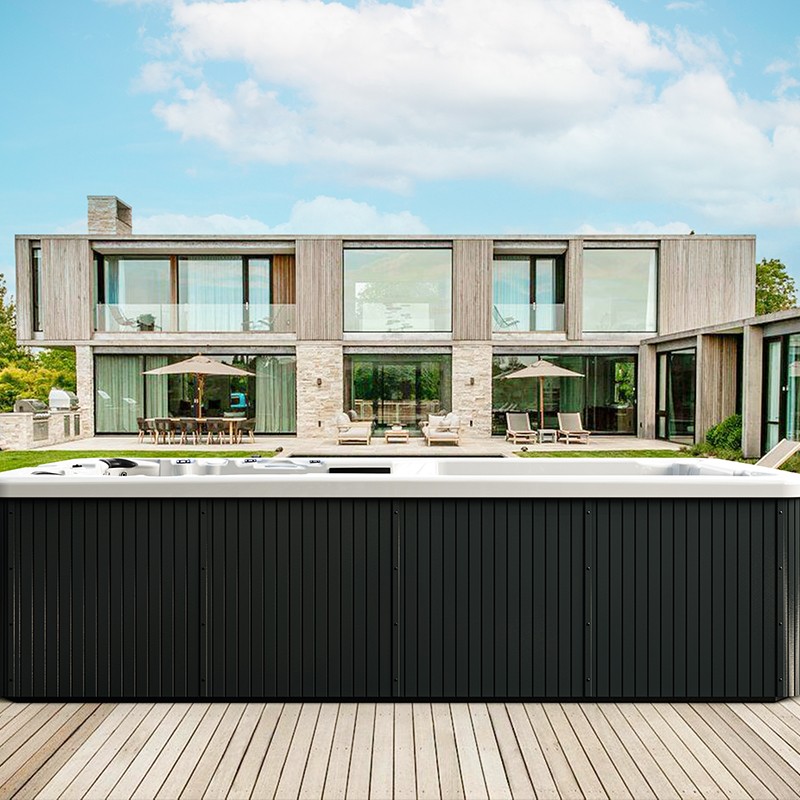
The swim spa tub is not intended to replace traditional swimming pools, but rather to offer an alternative method for engaging in swimming.
From a professional standpoint, the relationship between the two can be characterized as follows:
•Overlapping functionality
•Differing methods of execution
•Distinct operational logic
Grasping this distinction helps to dispel any doubts regarding whether or not one can truly swim in a swim spa tub.