


What is the role of borax in outdoor whirlpool hot tubs?
2026-11-11 15:30Borax (sodium tetraborate) is a common borate compound used in the maintenance of swimming pool and spa water. In recent years, some outdoor hot tub owners have taken an interest in borax, believing it can help stabilize water quality, inhibit algae growth, and reduce the consumption of disinfectants.
So, what exactly does borax do in an outdoor whirlpool hot tub? Can it actually improve water quality? And what are the risks associated with its use?
It is important to clarify that borax is not a disinfectant and cannot replace chlorine or bromine. It serves primarily as an aid in water quality management, acting as a buffer and an algae inhibitor under specific conditions. Whether it is appropriate to use depends on the whirlpool hot tub’s specific water chemistry, filtration system, and the manufacturer’s maintenance recommendations.
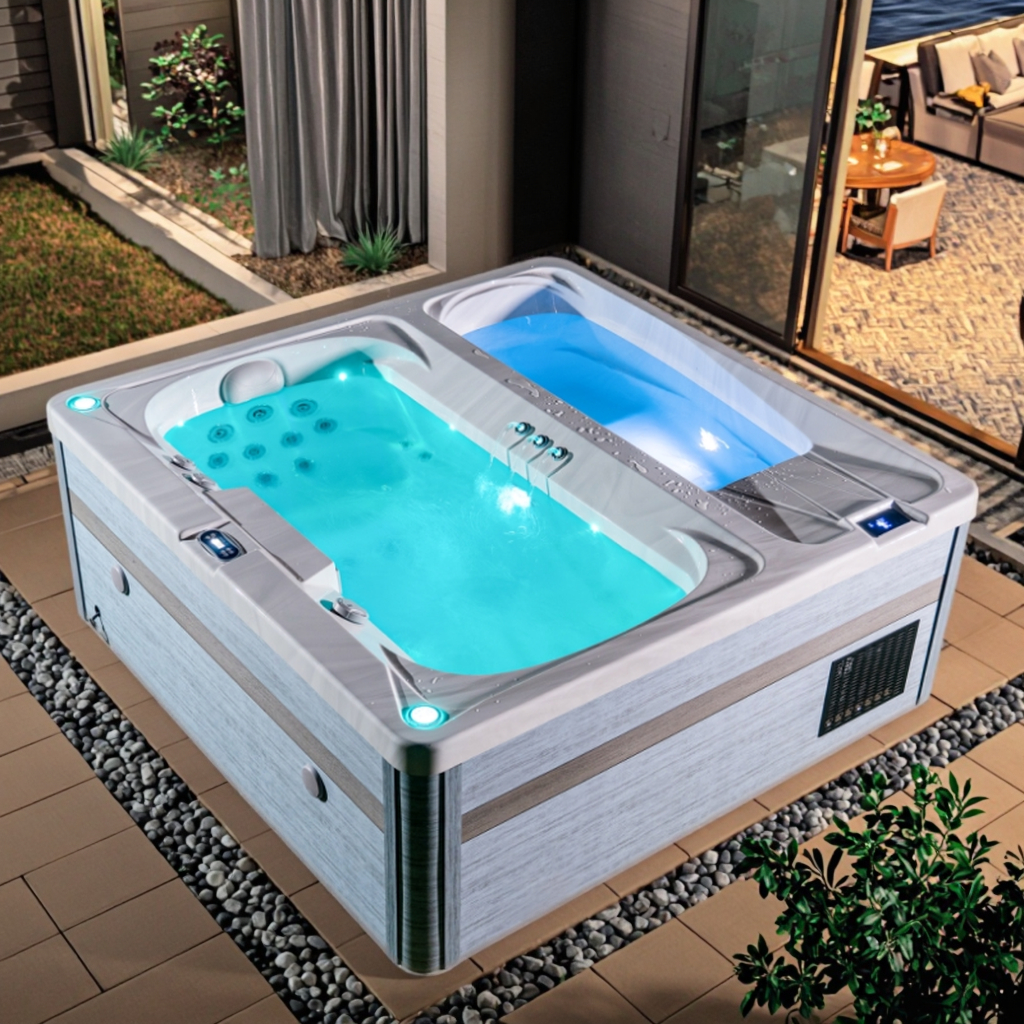
Why is borax used in outdoor whirlpool hot tubs?
Borax—technically sodium tetraborate—is a boron-containing compound with mildly alkaline properties. In water treatment, borates can help form a buffer system, which resists fluctuations in pH levels.
Managing water quality in an outdoor hot tub is more complex than in a standard bathtub. These tubs are typically kept at high temperatures for long periods, and the water is recirculated. Contaminants such as human sweat, skin oils, cosmetics, and environmental dust can easily enter the water. If disinfection, filtration, and water balance are not properly maintained, issues like cloudy water, unpleasant odors, algae growth, and scale deposits can quickly arise.
Borax has gained attention primarily because, at the right concentration, it may offer the following benefits:
•Helping to stabilize pH levels and reducing certain fluctuations in water chemistry.
•Inhibiting algae growth under specific water treatment conditions.
•Assisting in water quality management, potentially reducing chlorine consumption in some cases.
•Serving as an auxiliary water treatment agent that works in conjunction with filtration and disinfection systems.
However, the effectiveness of borax depends on the specific chemical conditions of the water; it should not be viewed as a universal solution for all water quality issues.
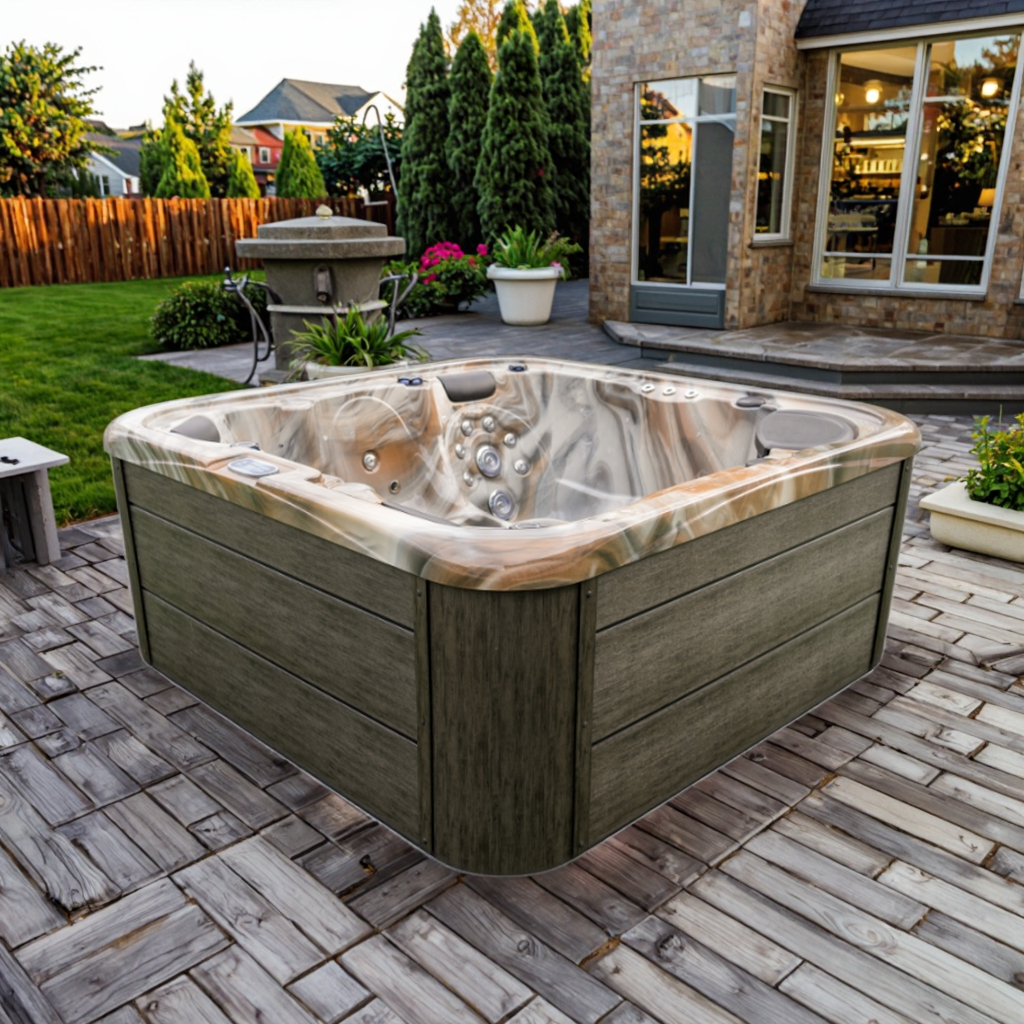
Key Functions of Borax in Outdoor Hot Tubs
1. Assisting in pH stabilization
pH level is a critical indicator in the management of outdoor whirlpool hot tub water quality. An excessively high pH can increase the risk of scale formation and reduce the efficiency of chlorine disinfection; conversely, an excessively low pH can accelerate the corrosion of metal components and may cause skin and eye irritation.
Borates contribute to the water’s buffering system, helping to resist pH fluctuations under certain conditions. For frequently used outdoor whirlpool hot tubs, this buffering effect can help reduce the need for constant water chemistry adjustments.
It should be noted, however, that borax itself is alkaline and can raise the pH when added. Therefore, it cannot be considered a simple pH-lowering agent. Always test the pH and total alkalinity before use to avoid water chemistry imbalances caused by improper dosing.
2. Assisting in the Inhibition of Algae Growth
Outdoor whirlpool hot tubs are constantly exposed to sunlight, air, and dust. If filtration and disinfection are not managed effectively, algae growth can occur.
At certain concentrations, borates can help inhibit algae, serving as a component of a broader water management strategy to reduce the likelihood of algae proliferation.
Nevertheless, borax is not a substitute for professional algaecides and cannot resolve existing, severe algae infestations. If the water has turned green, the tub surfaces feel slimy, or there are visible deposits, you should first check the disinfectant concentration, filtration system, and water circulation, then take corrective action according to the product instructions.
3. Helping to Reduce Chlorine Consumption Under Specific Conditions
Chlorine is a common disinfectant for outdoor spa hot tubs, used to control bacteria and other microorganisms. However, high temperatures, frequent use, exposure to sunlight, and the introduction of organic contaminants from bathers can all accelerate the depletion of chlorine.
Some water treatment literature suggests that, under the right conditions, a borate-based system may help lower chlorine demand. This does not mean, however, that adding borax allows for a reduction in the daily dosage of disinfectant, nor does it justify lowering the required residual disinfectant levels.
Outdoor whirlpool hot tubs still require continuous monitoring of free chlorine or bromine concentrations, and disinfection must be maintained in accordance with equipment specifications and local health regulations.
4. Contributing to Overall Water Quality Management
The primary role of borax lies in buffering the water and helping to inhibit algae. When combined with proper filtration, circulation, and disinfection practices, it can help users maintain a more stable aquatic environment.
However, clear water does not necessarily mean the water is safe. Even if the water in a whirlpool hot tub appears clean, it may still contain bacteria and other microorganisms. Therefore, you cannot determine whether disinfection or a water change is necessary based solely on appearance.
What water quality parameters should you consider when using borax in an outdoor hot tub?
Before using borax, it is advisable to test the water quality. Requirements may vary depending on the equipment, disinfection method, and water treatment products used; the following parameters serve as a general reference rather than a universal standard for all systems.
| Water Parameter | General Reference | Main Purpose |
| pH | 7.0–7.8 | Maintain water balance |
| Free Chlorine | At least 3 ppm | Disinfection |
| Bromine | 4–8 ppm | Disinfection |
| Water Temperature | No higher than 40°C | Reduce overheating risks |
| Borate Concentration | Product-specific | pH buffering and algae control |
| Calcium Hardness | Manufacturer-specific | Reduce scaling and corrosion risks |
In the pool and spa industry, a concentration of 30–50 ppm (measured as elemental boron, B) is often cited as a reference range for borates. However, this figure should not be treated as a universal target for all outdoor whirlpool hot tubs. Because products vary in their chemical form, concentration, and dosage requirements, you must perform conversions based on the specific product instructions.
Notably, borax can raise the pH level. If the water’s pH is already high, adding borax may exacerbate water quality issues.
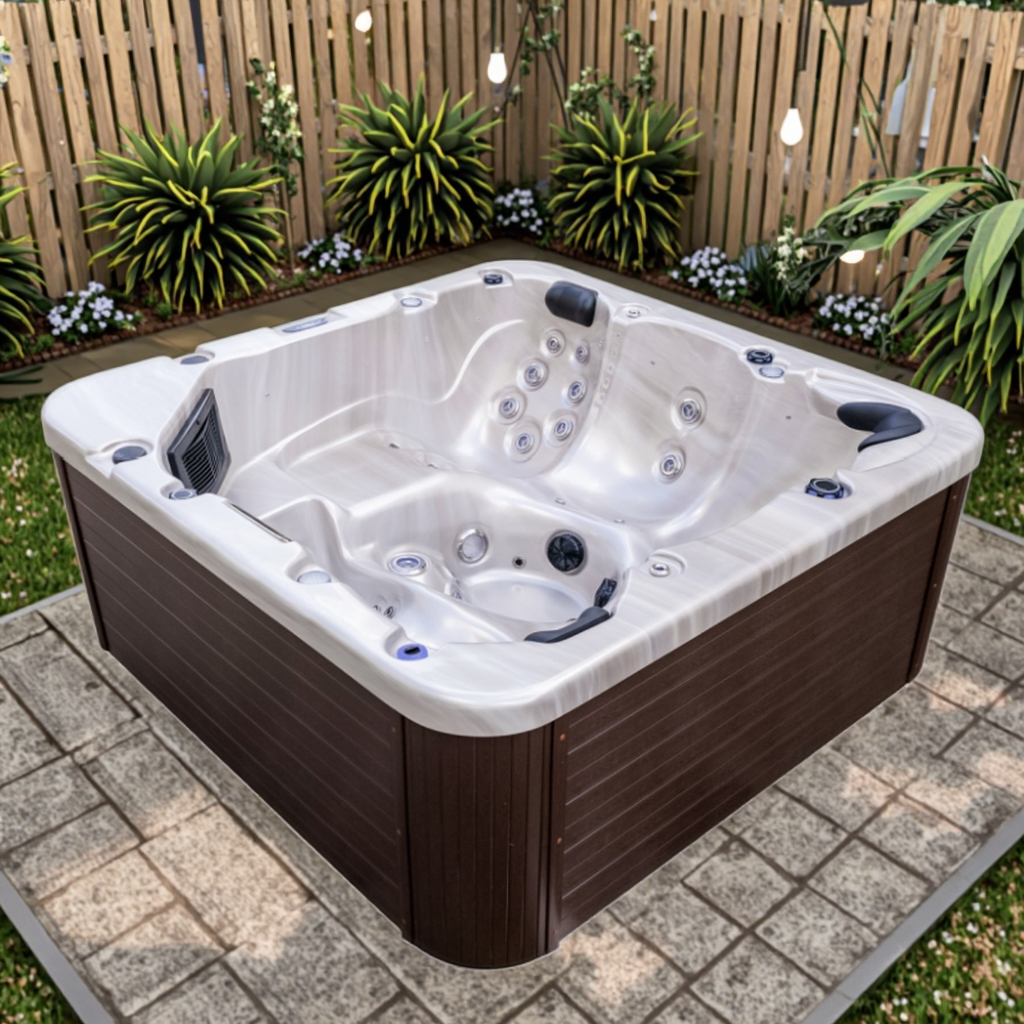
What problems in an outdoor hot tub cannot be solved by borax?
Some users overestimate the capabilities of borax, assuming it can simultaneously address issues like scale, bacteria, odors, and cloudy water. In reality, the functions of borax are limited.
| Water Quality Problem | Can Borax Solve It? | Recommended Solution |
| Unstable pH | Partially | Test and balance water chemistry |
| Algae Growth | May help prevent | Use appropriate algaecide and sanitizer |
| Bacterial Contamination | No | Maintain chlorine or bromine levels |
| Calcium Scaling | No | Control calcium hardness and pH |
| Cloudy Water | Not directly | Check filtration and water balance |
| Bad Odor | No | Check sanitizer levels and organic contaminants |
For instance, the appearance of white scale is typically related to factors such as calcium hardness, pH, and water temperature. In such cases, you should test the calcium hardness and use a descaling product designed for spa equipment, rather than relying on borax.
If the water develops an odor, you should check whether there is sufficient disinfectant, inspect the filter for clogs, and determine if organic contaminants have accumulated within the plumbing.
What are the risks of using borax in an outdoor spa hot tub?
Borax is not entirely risk-free. Improper use can lead to water quality imbalances and may also pose concerns regarding human exposure and environmental impact.
1. It may cause an increase in pH. Borax is alkaline; if the water’s pH is already high, adding more can increase the risk of scale formation and impair the effectiveness of disinfectants. Therefore, always test the water quality before adding it.
2. It cannot replace disinfectants. Borax does not provide the reliable sanitizing capabilities of chlorine or bromine. Even if the water appears clear, you should not reduce the necessary amount of disinfectant. Outdoor whirlpool hot tubs must be maintained with an appropriate concentration of disinfectant.
3. The use of generic household borax is not recommended. Borax intended for household cleaning is not necessarily suitable for spa systems. Users should prioritize products explicitly labeled for use in swimming pools or spas, and ensure they are compatible with the spa hot tub’s materials, filtration system, and disinfection method.
4. Prioritize the safety of children and pets. Borax is not for consumption; ingestion or improper contact may pose health risks. Store it in a sealed container, out of reach of children and pets. When adding it to the water, wear the necessary protective gear as specified in the product’s safety instructions.
5. Be mindful of wastewater disposal. Boron is an element that requires environmental consideration. When disposing of wastewater following the long-term use of boron-containing products, ensure compliance with local regulations; do not discharge the water into areas where such substances are prohibited.
How can you manage the water quality of an outdoor hot tub more effectively?
Rather than relying on a single water treatment product, establish a comprehensive water quality management routine. Even when appropriate, borax should only serve as an auxiliary measure.
1. Regularly test water quality
It is recommended to periodically test pH, total alkalinity, free chlorine or bromine levels, and calcium hardness, based on usage frequency and the manufacturer’s guidelines. Hot tubs that are used frequently, shared by multiple people, or operated at high temperatures require more rigorous water quality monitoring.
2. Ensure the filtration system functions properly
Filters are responsible for removing dust, hair, and other particulate matter from the water. If a filter cartridge becomes clogged, water circulation efficiency decreases, making it easier for contaminants to accumulate.
Users should clean filter cartridges according to the manufacturer’s recommendations and regularly check whether the filter requires replacement.
3. Maintain appropriate disinfectant levels
Chlorine and bromine are essential for ensuring water safety in outdoor whirlpool hot tubs. Borax cannot replace a disinfectant, nor should the amount of disinfectant be reduced simply because borates have been added.
4. Regularly clean the plumbing and replace the water
Human skin oils, sweat, and cosmetic residues can enter the circulation plumbing, leading to the formation of organic contaminants and biofilms. Cleaning the surface of the spa hot tub alone is insufficient; you must also follow the equipment manufacturer’s instructions to periodically clean the plumbing, drain the tub, and refill it with fresh water.
5. Selecting Hot Tub Equipment Suitable for Outdoor Environments
For manufacturers of outdoor spa hot tubs, water quality management depends not only on the chemicals added by the user but also, significantly, on the product design. A well-planned plumbing layout, sufficient circulation capacity, an efficient filtration system, and the use of chemically resistant materials all help to simplify routine maintenance.
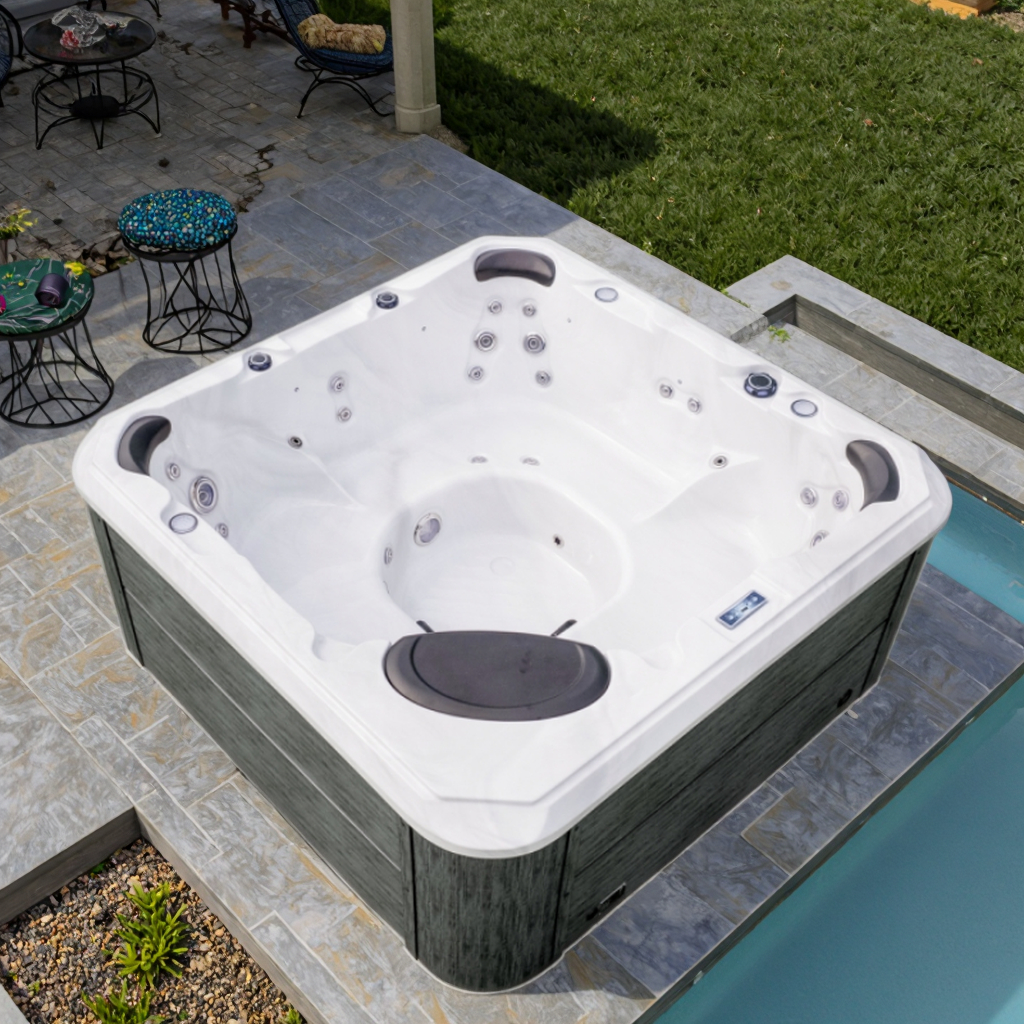
How can outdoor hot tub manufacturers assist users with water quality management?
For manufacturers and OEM/ODM suppliers of outdoor whirlpool hot tubs, water quality management is a critical component of both product design and after-sales service.
First, an appropriate filtration system—matched to the tub’s capacity, circulation flow rate, and intended usage—should be implemented to minimize the accumulation of particulate matter and organic contaminants. Second, the design of jets, plumbing, and circulation loops should be optimized to eliminate "dead zones" where water stagnates, thereby reducing the risk of sediment buildup and biofilm formation.
Furthermore, manufacturers should provide clear instructions for water quality maintenance. This includes recommendations for sanitization methods, target pH ranges, filter cleaning schedules, guidelines for draining and refilling the water, and information regarding chemical compatibility. It is also essential to account for local water quality characteristics and relevant regulations in different markets.
Outdoor spa equipment suppliers, such as LOVIA, can integrate filtration, circulation, material selection, and maintenance requirements into their product development and OEM/ODM customization processes, ensuring that the final product configurations are well-suited for various residential, hospitality, and commercial projects.
Frequently Asked Questions (FAQ)
Q1: Can borax be added directly to an outdoor spa hot tub?
It is not recommended to add it directly. Before doing so, you should test the pH, total alkalinity, and existing borate concentration, ensure the product is suitable for spa water treatment, and follow the manufacturer’s instructions to determine the correct dosage.
Q2: Can borax replace chlorine or bromine?
No. Borax is not a sanitizer and cannot effectively replace chlorine or bromine. Outdoor spa hot tubs must maintain an appropriate concentration of a sanitizer.
Q3: Can borax remove scale from an outdoor whirlpool hot tub?
No. Scale is typically related to calcium hardness, pH, and water temperature; it must be addressed through proper water balancing and the use of appropriate descaling products.
Q4: Is it still necessary to test the pH of an outdoor spa hot tub after using borax?
Yes, it is. Borax may increase pH levels; therefore, water quality should be tested after its addition to ensure the pH does not exceed the range recommended by the equipment manufacturer.
Q5: Is borax suitable for use in all outdoor whirlpool hot tubs?
Not necessarily. Its suitability depends on the equipment manufacturer’s recommendations, the materials used in the unit, the sanitization method, and the water treatment system. Always verify compatibility before use.