


Will an outdoor spa hot tub be good for my deep vein thrombosis?
2026-11-17 15:30As the demand for outdoor recreation and home spas continues to grow, outdoor hot tubs have gradually become the choice for many families to relax their bodies and relieve muscle fatigue. But for people suffering from Deep Vein Thrombosis (DVT), a question worth paying attention to is: Are outdoor spa hot tubs beneficial to DVT, or may they pose health risks?
A hot water soak can help the body relax, and the warm water may temporarily relieve muscle tension. However, deep vein thrombosis is not just ordinary muscle soreness or poor circulation. It is a condition in which blood forms clots in the deep veins, often in the veins of the calves, thighs, or pelvis. In severe cases, blood clots may break off and enter the lungs, causing pulmonary embolism, which can even be life-threatening.
Therefore, you cannot simply assume that an outdoor spa hot tub can treat DVT through heat or massage. For people who have been diagnosed with DVT, are receiving anticoagulant treatment, or have suffered from deep vein thrombosis, whether they can use an outdoor spa hot tub depends on the stage of the disease, physical condition, and doctor's advice.
This article will analyze the causes of deep vein thrombosis, the impact of hot water immersion on the body, and potential risks, etc., to help readers correctly understand the relationship between outdoor spa hot tubs and deep vein thrombosis.
IMPORTANT: Outdoor hot tubs do not dissolve or treat deep vein thrombosis. Patients with acute DVT should not undergo high-temperature immersion or vigorous massage on their own without evaluation by a physician. If you have sudden difficulty breathing, chest pain, coughing up blood, or fainting, seek emergency care immediately.

What is deep vein thrombosis?
Deep vein thrombosis is when blood forms a clot in the deep veins of the body, most commonly in the lower legs, thighs and pelvic area. Under normal circumstances, veins are responsible for transporting blood from various parts of the body back to the heart, but deep vein thrombosis can hinder normal blood return and cause local venous pressure to increase.
Deep vein thrombosis is usually related to three factors:
1. Slowed blood flow: Sitting for a long time, lying in bed, reduced activity after surgery, or long-distance travel may cause blood stasis in the veins of the lower limbs.
2. Blood vessel damage: Surgery, fractures, trauma, etc. may damage the inner wall of blood vessels and increase the risk of thrombosis.
3. Blood hypercoagulability: Cancer, pregnancy, hereditary coagulation abnormalities, and some chronic diseases may increase the tendency of blood coagulation.
Common symptoms include unilateral calf or thigh swelling, pain, localized warmth, and changes in skin color. However, some patients have no obvious symptoms.
The most dangerous complication of deep vein thrombosis is pulmonary embolism (PE). When part of the thrombus breaks off and enters the pulmonary artery, it may hinder blood circulation in the lungs, causing difficulty breathing, chest pain, and in severe cases, life-threatening conditions.
At present, the main treatment for deep vein thrombosis is anticoagulant therapy. Common drugs include apixaban, rivaroxaban, warfarin and heparin drugs. Anticoagulant drugs are mainly used to prevent the continued expansion of thrombi and the formation of new thrombi, rather than directly dissolving existing thrombi. Some severe cases may also require interventional treatment.
Therefore, outdoor whirlpool spa hot tubs, massage jets, and hot water soaks are not a substitute for regular DVT treatment.
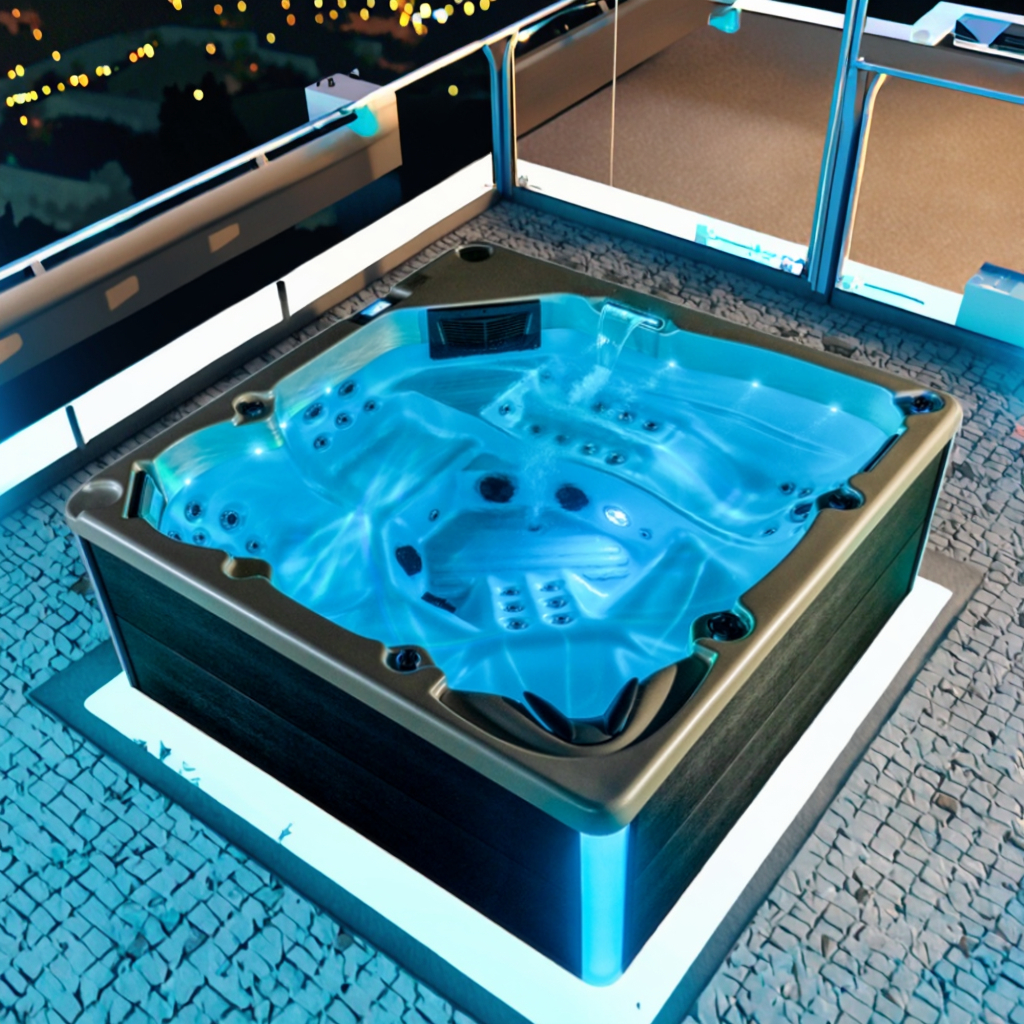
What effect does an outdoor hot tub have on deep vein thrombosis?
Outdoor spa hot tubs usually use a heating system to maintain the water temperature at a suitable range, and utilize a circulating water pump and massage nozzles to provide a hydrotherapy experience. When the human body enters a warm water environment, physiological reactions such as skin blood vessel dilation, blood flow redistribution, heart rate changes, and increased sweating will occur.
But these changes do not mean that hot water immersion can improve deep vein thrombosis itself.
1. Warm water may promote the dilation of blood vessels on the skin surface
When the human body is immersed in warm water, the blood vessels in the skin usually dilate and the blood flow on the skin surface increases, so the user may feel that the body is warmer.
However, increased blood circulation on the surface of the skin does not mean that blood clots in the deep veins will be washed away or eliminated. In patients with acute DVT, large-area hyperthermia may cause hemodynamic changes, so the use of high-temperature outdoor whirlpool spa hot tubs without medical evaluation is not recommended.
2. Warm water may relieve muscle tension
One of the primary functions of an outdoor whirlpool spa hot tub is to help the body relax. For some patients who have completed acute treatment and are in stable condition, gentle hot water soaks may temporarily relieve muscle tension and general fatigue.
However, the pain, swelling, and heaviness in the legs caused by DVT may be related to obstruction of venous return, and not necessarily muscle fatigue. If new pain or swelling occurs in the affected limb, which cannot be relieved by simply taking a bath, you should seek medical treatment in time.
3. High temperature may cause changes in blood pressure
High-temperature immersion may dilate peripheral blood vessels, leading to a decrease in blood pressure, while increasing heart rate and sweating. These changes may increase the risk of dizziness, fatigue, and falls in patients who are taking anticoagulants, antihypertensive medications, or have cardiovascular disease.
The US CDC recommends that the water temperature in ordinary whirlpool spa hot tubs should not exceed 40°C. However, 40°C is only a general safe upper limit and does not mean it is suitable for all patients with deep vein thrombosis.
Core Conclusions: Outdoor spa hot tubs can provide a relaxing experience, but there is currently insufficient evidence that hot water immersion dissolves deep vein thrombosis, prevents clot enlargement, or reduces the risk of pulmonary embolism.
Can patients with different stages of deep vein thrombosis use outdoor hot tubs?
Whether you can use an outdoor hot tub depends on the stage of your DVT.
1. Patients with acute deep vein thrombosis: not recommended for self-use
If DVT has just been diagnosed, or the affected limb is still significantly swollen, painful, and hot, priority should be given to standard treatment rather than hot water immersion to improve the condition.
This stage requires special attention to whether the thrombus is still active, whether there is a risk of extension, and whether the patient has started anticoagulant therapy.
Without explicit permission from a doctor, patients with acute DVT are not recommended to use high-temperature outdoor whirlpool spa hot tubs, nor should they use high-pressure massage nozzles to directly impact the affected limbs, nor should they rub their calves to try to eliminate blood clots.
2. Patients receiving anticoagulant therapy: require medical evaluation
Just because you have started taking anticoagulant drugs does not mean that the blood clot has completely disappeared. Patients still need to pay attention to swelling, pain and other abnormal symptoms in the affected limb.
Additionally, anticoagulant medications can increase the risk of bleeding. If a patient slips or hits the edge of the equipment in an outdoor spa hot tub, they may suffer serious subcutaneous bleeding or other injuries.
It is recommended to pay attention to the following matters: do not stop anticoagulant drugs on your own; avoid high temperatures and long-term immersion; do not perform strong massage on the affected limb; try to avoid taking a bath alone; seek medical advice promptly if new leg swelling or pain occurs.
3. Patients who have suffered from deep vein thrombosis and are currently in stable condition: may be used with caution
For patients who have completed acute care, are in stable condition, and have no significant active symptoms, an outdoor whirlpool spa hot tub may be available after evaluation by a physician.
However, some patients may still develop post-thrombotic syndrome (PTS) after thrombosis treatment. Common symptoms include long-term swelling of the lower legs, heaviness of the legs, darker skin color, and poor venous return.
For patients with significant chronic venous insufficiency, high temperatures may dilate blood vessels in the legs, further aggravating some people's discomfort. Therefore, even if the blood clot has been treated, hot water soaking cannot be considered to be beneficial.
What are the potential risks of outdoor hot tubs for people with deep vein thrombosis?
In addition to the blood clot itself, the water temperature, soaking time and massage function of an outdoor spa hot tub may also affect the safety of DVT patients.
1. High temperature may aggravate leg discomfort. Hot water immersion can cause peripheral blood vessels to dilate. For patients with chronic venous return disorders, blood return to the legs may be affected, and some may experience increased swelling or heaviness. If the affected limb is significantly swollen after taking a bath, stop using it and consult a doctor.
2. The massage nozzle may cause local mechanical irritation. Outdoor whirlpool spa hot tubs often feature multiple massage jets that provide a back, waist, and leg massage experience through the impact of water flow. However, for patients with active DVT, high-pressure water flow should not be used to directly impact the affected limb, nor should deep tissue massage be performed.
3. Prolonged soaking may cause dehydration and dizziness. High-temperature environments increase sweating, which may lead to loss of body water. There may also be an increased risk of dizziness and falls in patients who have low blood pressure or are taking related medications.
4. Anticoagulant therapy may increase the consequences of accidental injury. People who are taking anticoagulant medications such as warfarin, rivaroxaban, or apixaban may experience severe bruising or bleeding if they slip or bump in the bathtub. Therefore, non-slip floors and stable handrails should be provided around the bathtub.

How can you safely use an outdoor hot tub once your doctor clears it?
For patients whose condition is stable and who have received approval from their physician, a more conservative approach may be used.
1. Control water temperature
The CDC recommends that ordinary whirlpool spa hot tub water temperatures should not exceed 40°C. For people with a history of deep vein thrombosis, it is recommended to give priority to mild water temperatures, such as 37-38°C, but this is only a reference value for cautious use and is not a clinically proven DVT safety standard.
If dizziness, palpitations, obvious sweating or discomfort in the affected limb occur, immersion should be stopped immediately.
2. Control the soaking time
Continuous soaking for long periods of time is not recommended. After the doctor's evaluation and permission for use, you can start with a short period of 5-10 minutes to observe the body's reaction. The specific time should be adjusted according to personal physical condition.
3. Avoid direct impact of the massage nozzle on the affected limb
The massage system of an outdoor spa hot tub is primarily for muscle relaxation and is not a medical-grade blood clot treatment device. For people with active thrombosis or significant venous insufficiency, it is not recommended to aim the high-pressure massage nozzle directly at the affected limb.
4. Don’t take a bath alone
Standing up suddenly after soaking in hot water may cause orthostatic hypotension and dizziness. It is recommended that outdoor spa hot tubs be used with supervision and that you use handrails when entering and exiting to avoid getting up quickly.
5. Do not adjust medications on your own
You can replenish an appropriate amount of water before and after taking a bath according to your personal situation. However, people with heart or kidney disease who need to limit their water intake should follow the doctor's water drinking plan. Anticoagulant drugs must be taken as directed by your doctor, and do not stop taking them on your own just because you are preparing to take a bath.
In addition to outdoor hot tubs, what other ways can help someone with deep vein thrombosis recover?
If you hope to improve your physical condition after deep vein thrombosis, the focus should be on standardized treatment, appropriate activities, and management of venous function, rather than relying on hot water therapy.
1. Walk appropriately. For patients who have received anticoagulant therapy, are in stable physical condition, and have been cleared by their physician to move, moderate walking is often more conducive to recovery than long-term bed rest. Calf muscle contraction can help venous blood return.
2. Use medical elastic stockings rationally. For some patients with leg swelling or post-thrombotic syndrome, doctors may recommend the use of medical gradient compression stockings. However, not all patients with DVT must wear long-term wear, and the decision should be based on symptoms and doctor's evaluation.
3. Avoid staying in the same position for a long time. Sitting or standing for long periods of time may increase venous stasis in the lower extremities. It is recommended to move your ankles and stretch your calves regularly according to your physical condition, and avoid being immobile for long periods of time.
4. Regular follow-up visits. Patients with deep vein thrombosis should follow the doctor's arrangements for follow-up consultation, and if necessary, use venous ultrasound to evaluate the thrombosis. Just because the leg pain disappears doesn't mean the blood clot has completely disappeared.
For manufacturers of outdoor whirlpool spa hot tubs, this is a market demand worth paying attention to. In addition to massage functions, future products should also pay attention to anti-slip design, temperature control, ergonomic seats and safety armrests to provide a better user experience for consumers of different ages and physical conditions.
It should be emphasized that outdoor whirlpool spa hot tubs are recreational spa equipment, not medical devices. Manufacturers and marketers should not advertise its ability to dissolve blood clots, treat venous disease, or prevent pulmonary embolism.
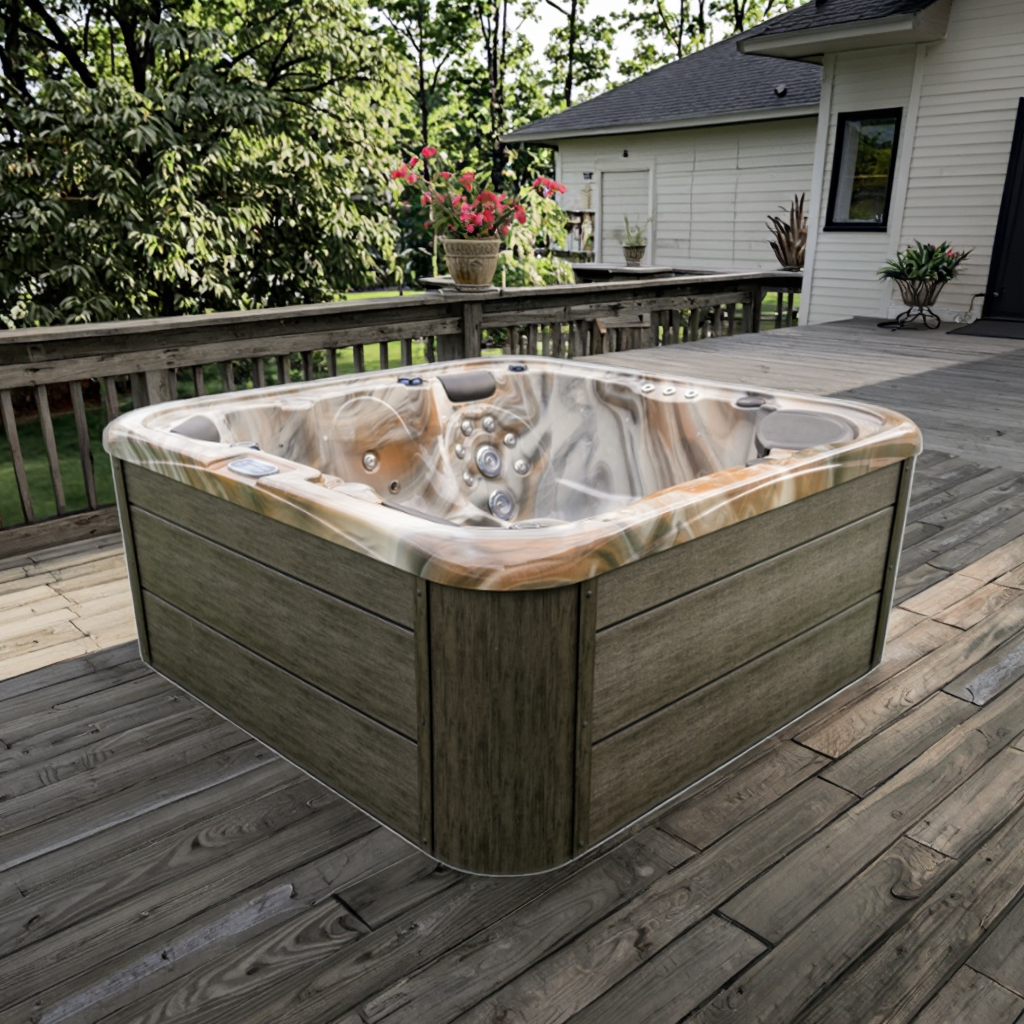
Frequently Asked Questions (FAQ) about Outdoor Hot Tubs and Deep Vein Thrombosis
FAQ 1: Can outdoor hot tubs dissolve deep vein thrombosis?
cannot. There is currently no reliable clinical evidence that outdoor hot tubs can dissolve deep vein thrombosis. DVT needs to be managed through standard anticoagulation therapy and interventional therapy when necessary.
FAQ 2: Can I still soak in an outdoor hot tub if I have deep vein thrombosis?
It needs to be decided according to the condition. Patients with acute DVT should not use spa hot tubs on their own and should consult their treating physician first. Patients who are in stable condition and have completed acute phase treatment may be able to use it with caution after obtaining permission from their doctor.
FAQ 3: Can an outdoor spa hot tub prevent deep vein thrombosis?
Outdoor spa hot tubs cannot be used as a DVT prevention tool. More evidence-based preventive measures include avoiding prolonged immobility, walking appropriately, mobilizing your calf muscles, and taking precautions as recommended by your doctor in high-risk situations.
FAQ 4: Can patients with deep vein thrombosis use the outdoor hot tub massage function?
Patients with active DVT should avoid vigorous massage or high-pressure water impact on the affected limb. For patients who have recovered, whether the massage function can be used needs to be judged by the doctor based on the blood clot situation.
FAQ 5: Can I use an outdoor spa hot tub if I am taking anticoagulant medication?
It doesn’t necessarily need to be completely prohibited, but consideration must be given to whether the condition is stable, whether there is a risk of bleeding, and whether dizziness or falls are likely to occur. You should obtain your doctor's permission before use and do not stop taking the medicine on your own.