


Which is better, a cast iron bathtub or an acrylic hot tub?
2025-12-27 15:35In modern home and spa settings, acrylic hot tubs generally outperform cast iron bathtubs.
This conclusion is not based on a single factor, but rather on a comprehensive consideration of multiple professional indicators, including comfort, installation difficulty, weight, safety, maintenance costs, feel, and applicability.
This article will break down and analyze this conclusion point by point to help you understand it from a professional perspective:
Why are more and more users ultimately choosing acrylic spa hot tubs over cast iron bathtubs?
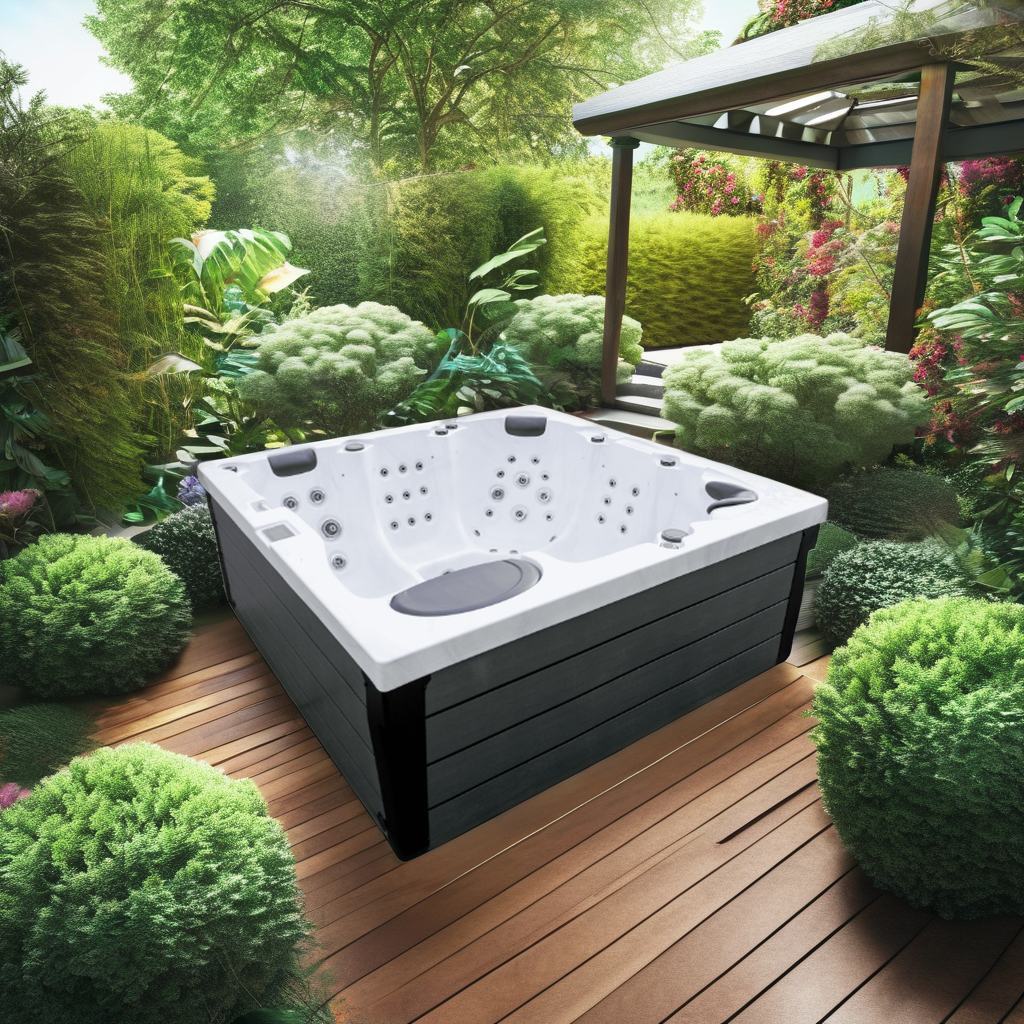
What are the fundamental differences between cast iron and acrylic hot tubs in terms of materials?
This is the first step in understanding the differences between the two.
The Material Nature of Cast Iron Bathtubs
Cast iron bathtubs typically consist of the following structure:
• A heavy cast iron body
• A surface covered with an enamel glaze
Its core characteristics are:
• Extremely hard material
• Extremely heavy
• The enamel layer is irreparable
• A cool feel
Cast iron bathtubs were originally designed with traditional architectural structures in mind.
The Material Essence of Acrylic Hot Tubs
Acrylic spa hot tubs use:
• Sanitary grade acrylic sheet (PMMA) as the surface layer
• The back is structurally reinforced with fiberglass or PU foam
This composite structure gives acrylic hot tubs:
• Lightweight yet high strength
• Warm and smooth to the touch
• Easy to mold
• Highly repairable
More suitable for prolonged human contact
From a material essence perspective, acrylic spa hot tubs represent a modern material system designed for comfort and user experience.
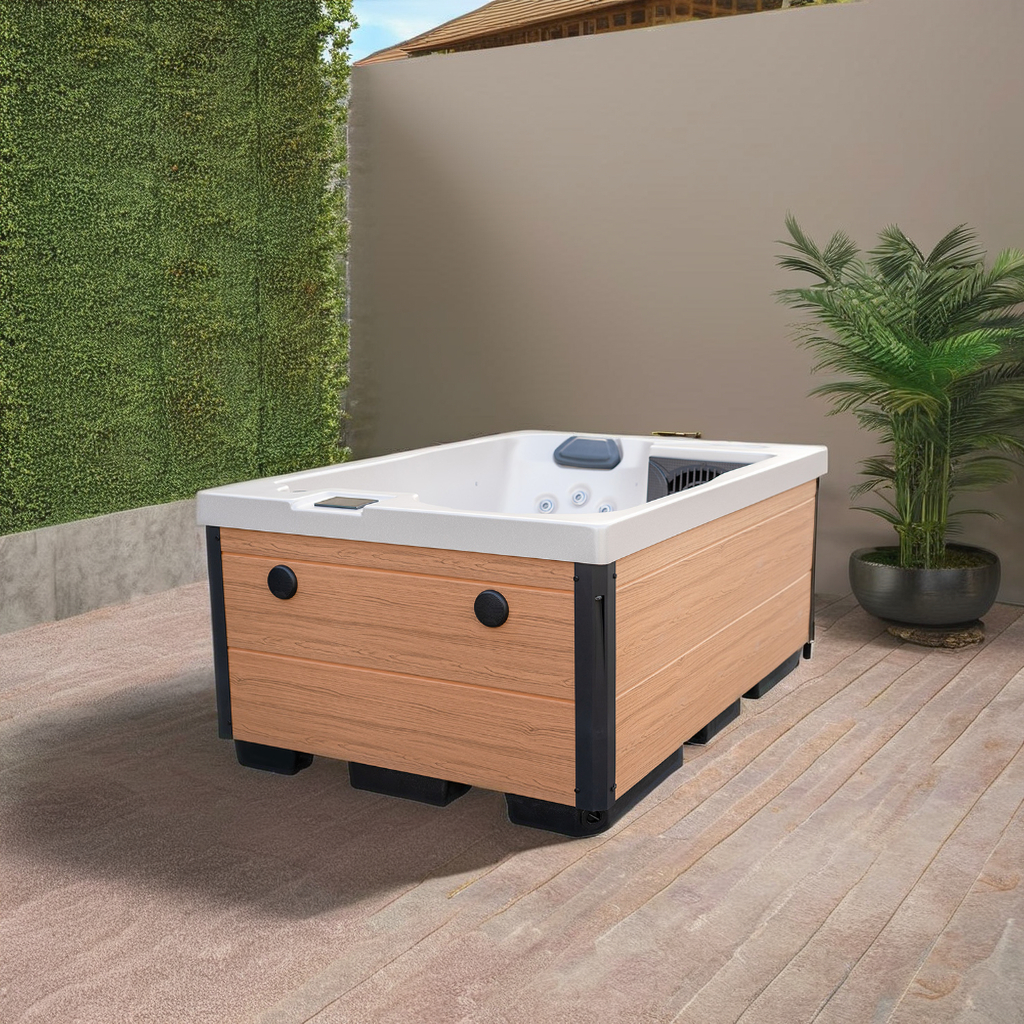
Why are acrylic hot tubs better in terms of weight and installation?
The Weight Disadvantages of Cast Iron Bathtubs
Cast iron bathtubs typically weigh:
• Starting from 120 kg
• Many models can reach 180–200 kg or more
This means:
• Extremely high requirements for floor load-bearing capacity
• Often unsuitable for high-rise residential buildings and wooden floors
• Extremely difficult to transport and install
• High installation costs and high construction risks
The Weight Advantages of Acrylic Hot Tubs
In contrast, acrylic spa hot tubs typically:
• Weigh only 1/3–1/2 of cast iron bathtubs
• Most models are between 30–60 kg
The advantages of this lightweight design are significant:
• Almost no floor restrictions
• Can be installed on the second floor, third floor, or even attic
• Easy to transport
• No need for additional floor reinforcement
From an installation feasibility perspective, acrylic hot tubs are clearly superior to cast iron bathtubs.
Which is more comfortable to the touch, an acrylic hot tub or a cast iron bathtub?
This is a core question directly related to human comfort.
The Tactile Issues of Cast Iron Bathtubs
The main tactile characteristics of cast iron bathtubs include:
• Cold surface
• Rapid heat conduction, easily absorbing body heat
• High rigidity, hard to the touch
• Unfriendly for winter use
Even when filled with hot water, the cast iron body will remain cold for a considerable period.
The Tactile Advantages of Acrylic Hot Tubs
Acrylic spa hot tubs have significant tactile advantages:
• Warm and smooth surface, not cold
• Gentler on the skin
• Does not produce a noticeable "cold stimulus"
• More suitable for prolonged soaking
This is why acrylic hot water bathtubs have become the mainstream choice in spa and SPA settings.
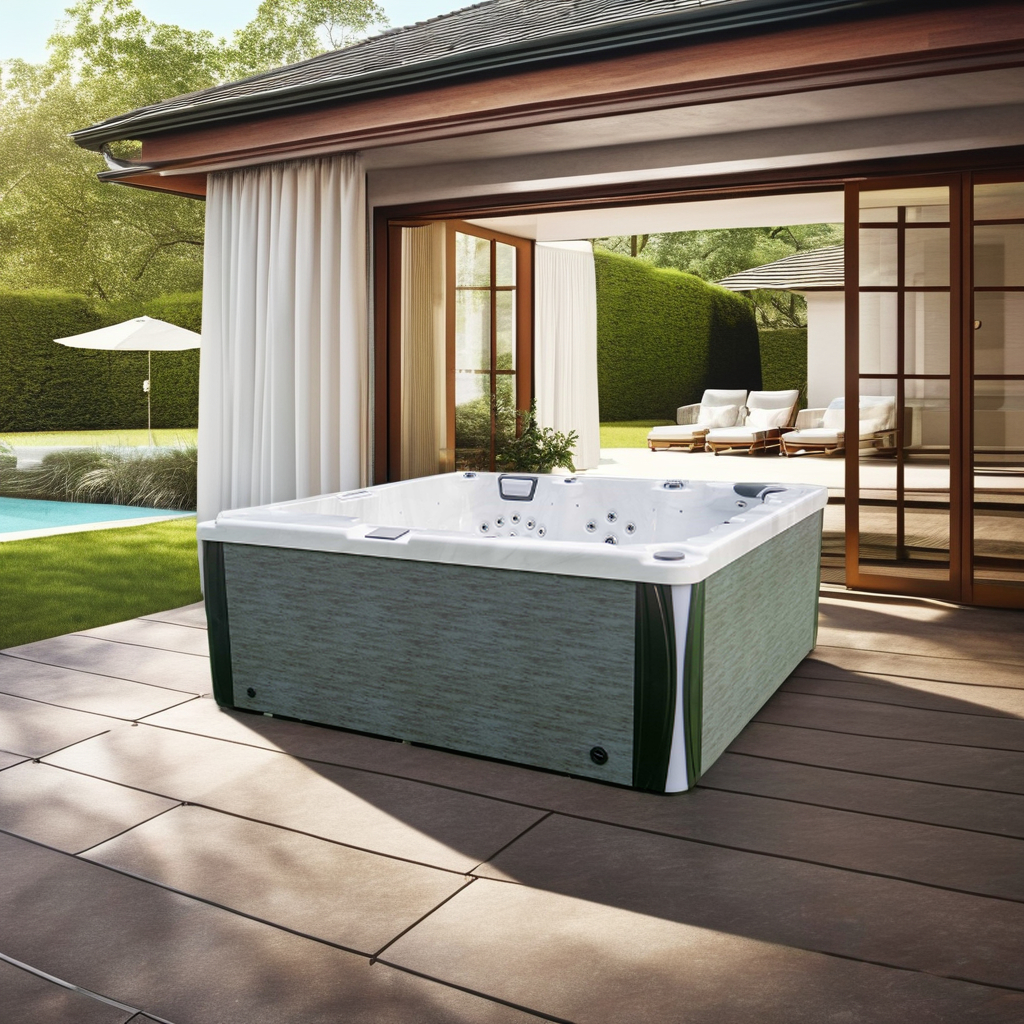
Which is better for hot water: a cast iron bathtub or an acrylic hot tub?
Limitations of the Hot Water Experience in Cast Iron Bathtubs
While cast iron bathtubs have some heat retention, their drawbacks include:
• Significant initial heat absorption
• Longer heating time
• Noticeable surface temperature difference
• Less comfortable to the touch
Advantages of Acrylic Hot Tubs
Acrylic spa hot tubs perform better in hot water use:
• Slower heat conduction
• Slower water temperature drop
• Surface temperature is closer to the water temperature
• Provides a continuous and stable hot water experience
Therefore, considering the core function of a hot water bathtub, acrylic hot tubs better meet practical usage needs.
Why are acrylic hot tubs safer?
Potential Safety Issues of Cast Iron Bathtubs
• Extremely high edge hardness
• Increased risk of injury from impacts
• Greater risk in wet and slippery environments
• Heavy weight; serious consequences from tipping over or improper installation
Safety Advantages of Acrylic Hot Tubs
Acrylic spa hot tubs offer:
• Softer material
• More rounded edges
• Less prone to bumps and knocks
• Lighter weight, safer structure
For family use, especially for families with elderly people or children, acrylic hot tubs offer greater safety.
Do acrylic hot tubs offer advantages in terms of maintenance and repair?
Maintenance Challenges of Cast Iron Bathtubs
When cast iron bathtubs encounter problems:
• Damaged enamel glaze is almost irreparable.
• Chipped enamel will rust.
• Localized repairs are ineffective.
• Overall replacement is extremely costly.
Maintenance Advantages of Acrylic Hot Tubs
Acrylic spa hot tubs excel in maintenance:
• The surface does not easily attract dirt.
• Cleaning is simple.
• Minor scratches can be polished and repaired.
• Small-area damage can be repaired.
This makes acrylic hot tubs much more worry-free in the long run.
Why are acrylic hot tubs better in terms of design flexibility?
Design Limitations of Cast Iron Bathtubs
Due to the material, cast iron bathtubs typically:
• Have fixed shapes
• Limited styles
• Difficult to achieve complex curves
Design Advantages of Acrylic Hot Tubs
Acrylic material has excellent plasticity:
• Allows for various streamlined designs
• More ergonomic
• Better suited to modern bathroom styles
• Offers a wide range of design options
This is why modern freestanding bathtubs and spa bathtubs are almost exclusively made of acrylic.
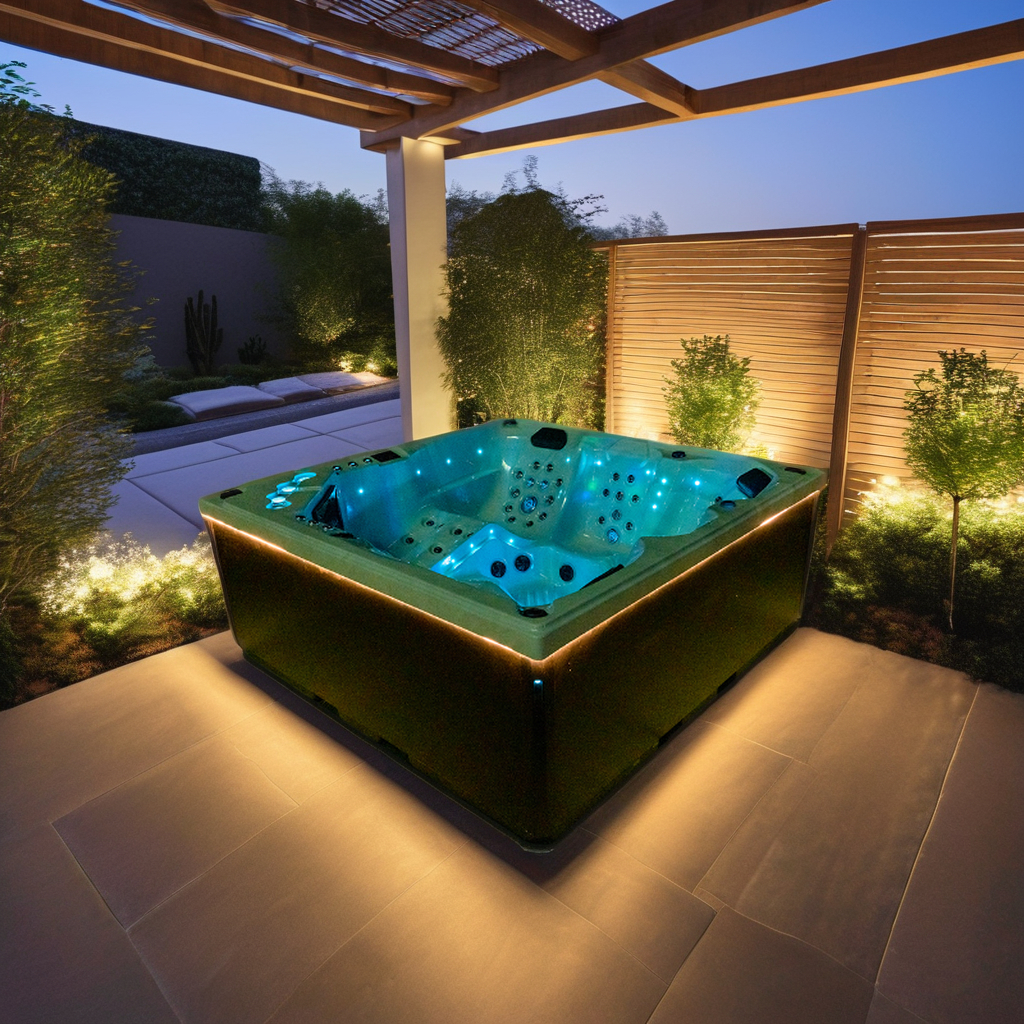
Why are acrylic hot tubs better in terms of overall cost-effectiveness?
A comparison across multiple dimensions:
Comparison Dimensions | Cast iron bathtub | Acrylic hot tub |
| Weight | Extremely heavy | Light |
| Installation Difficulty | High | Low |
| Touch Texture | Cold, hard | Warm and comfortable |
| Hot Water Experience | Average | Excellent |
| Safety | Average | High |
| Maintenance Cost | High | Low |
| Repairability | Almost unrepairable | Repairable |
| Design Options | Few | Abundant |
It can be seen that acrylic spa hot tubs outperform cast iron bathtubs in most key indicators.
Which usage scenarios are more suitable for acrylic hot tubs?
Acrylic spa hot tubs are particularly suitable for the following scenarios:
• Daily family bathing
• Hot water bathing
• Spa/SPA environments
• High-rise apartments
• Wooden floors or non-load-bearing floors
• Users seeking a comfortable experience
Casual cast iron bathtubs are more suitable for a small number of traditional spaces with suitable structural conditions.