


Which chemicals can increase the pH level of an outdoor hot tub?
2026-11-03 15:35Managing water quality in an outdoor whirlpool spa hot tub affects not only the comfort of the soak but also the effectiveness of sanitization, the lifespan of the plumbing, the operation of the heater, and the costs of routine maintenance. When water testing reveals that the pH level is too low, users typically need to apply an appropriate pH adjuster to bring the water back into an optimal range.
The most common chemicals used to raise the pH in outdoor whirlpool spa hot tubs are sodium carbonate and sodium bicarbonate. Both increase the alkalinity of the water, but they serve slightly different purposes: sodium carbonate is generally better suited for directly raising the pH, while sodium bicarbonate is primarily used to increase total alkalinity (TA)—which, in turn, helps to buffer and raise the pH. The choice of which product to use should be based on the current pH and total alkalinity levels, as well as the manufacturer’s instructions, rather than relying on a single reading alone.
For residential users, as well as operators of hotels, resorts, and outdoor spa facilities, maintaining the correct pH helps minimize issues caused by water chemistry imbalances. If the pH remains too low for an extended period, the water can become corrosive; conversely, if the pH is too high, it may reduce the efficiency of chlorine-based sanitizers and increase the risk of scale formation and cloudy water. The U.S. Centers for Disease Control and Prevention (CDC) recommends maintaining a pH level between 7.0 and 7.8 for residential pools and hot tubs.
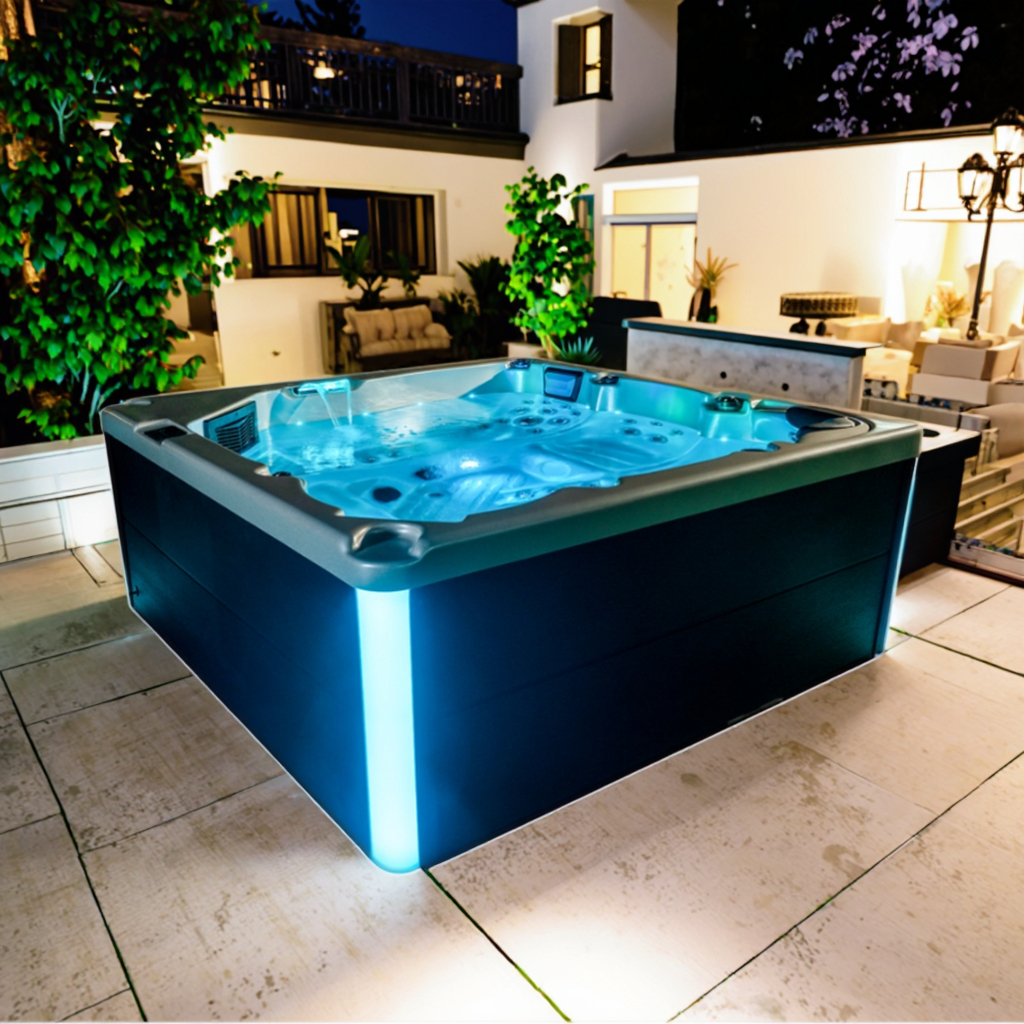
Why is it necessary to control the pH level in an outdoor hot tub?
pH is a measure of the acidity or alkalinity of water, typically expressed on a scale from 0 to 14. A pH of 7 is considered neutral; values below 7 indicate acidity, while values above 7 indicate alkalinity.
For an outdoor whirlpool spa hot tub, a higher pH is not necessarily better, nor does a lower pH automatically make sanitization easier. The primary goal is to strike a balance between effective sanitization, user comfort, and the protection of equipment components.
When the pH is too low, the water may increase the risk of corrosion to metal parts and certain plumbing materials; it can also cause skin and eye irritation. When the pH level is too high, the disinfecting efficacy of chlorine decreases, and minerals in the water are more likely to form scale, which can impair the operation of heaters, jets, and filtration systems.
Therefore, if the pH of your outdoor whirlpool spa hot tub falls below the recommended range, you should first test the water quality before selecting an appropriate pH-increasing agent.
What chemicals can be used to raise the pH level in an outdoor hot tub?
1. Sodium Carbonate
Commonly known as "soda ash," sodium carbonate is a standard chemical used for balancing pool and spa water. It increases the alkalinity of the water and is frequently used to raise the pH level in outdoor whirlpool spa hot tubs.
If testing reveals a low pH while the total alkalinity is already within the proper range, sodium carbonate is generally the preferred choice. However, since it also affects total alkalinity, it is important to carefully control the dosage and re-test the water quality after treatment.
While sodium carbonate is effective for raising pH, it should not be added in large, arbitrary amounts. The required dosage depends on factors such as water volume, initial pH, total alkalinity, and the concentration of the product being used.
2. Sodium Bicarbonate
Sodium bicarbonate—also known as baking soda—is another common water-balancing agent. It is primarily used to increase total alkalinity, which helps the water resist sudden shifts in pH.
If the total alkalinity of your hot tub is low and the pH tends to fluctuate—for instance, after adding disinfectants or using the tub—you might consider using a product specifically formulated with sodium bicarbonate to boost alkalinity.
It is important to note, however, that sodium bicarbonate is not the same as sodium carbonate (soda ash), which is designed to raise pH quickly. If your total alkalinity is already high, adding more sodium bicarbonate—even if the goal is simply to raise the pH—will only drive the total alkalinity higher, making future water balancing more difficult.
3. Specialized Hot Tub pH Increaser
For the average homeowner, purchasing a product explicitly labeled as a "pH Increaser" for spas or hot tubs is generally more convenient and safer than sourcing industrial-grade chemicals. Such products may be based on sodium carbonate, sodium bicarbonate, or other formulations designed for water quality adjustment in spas. Since active ingredients and recommended concentrations can vary by brand, always consult the product label rather than estimating dosage based on the product name alone.
For instance, some specialized products provide dosage charts tailored to specific water volumes—such as 200, 400, or 800 gallons—based on your test results. Always follow the instructions provided on the label of the product you have purchased.
4. Avoid using unverified household or industrial chemicals
While other alkaline substances might alter water pH, this does not mean they are suitable for direct addition to an outdoor whirlpool spa hot tub.
Users should never attempt to adjust water quality using industrial-grade caustic soda (sodium hydroxide), cleaning agents with unknown compositions, or any other chemicals not explicitly approved by the manufacturer. Such substances can cause corrosion, localized high-concentration irritation, equipment damage, or hazardous chemical reactions.
For outdoor hot tubs, prioritize products specifically labeled for use in whirlpool spa hot tubs or spa systems, and strictly adhere to the instructions on the product label and the guidelines provided by the equipment manufacturer.
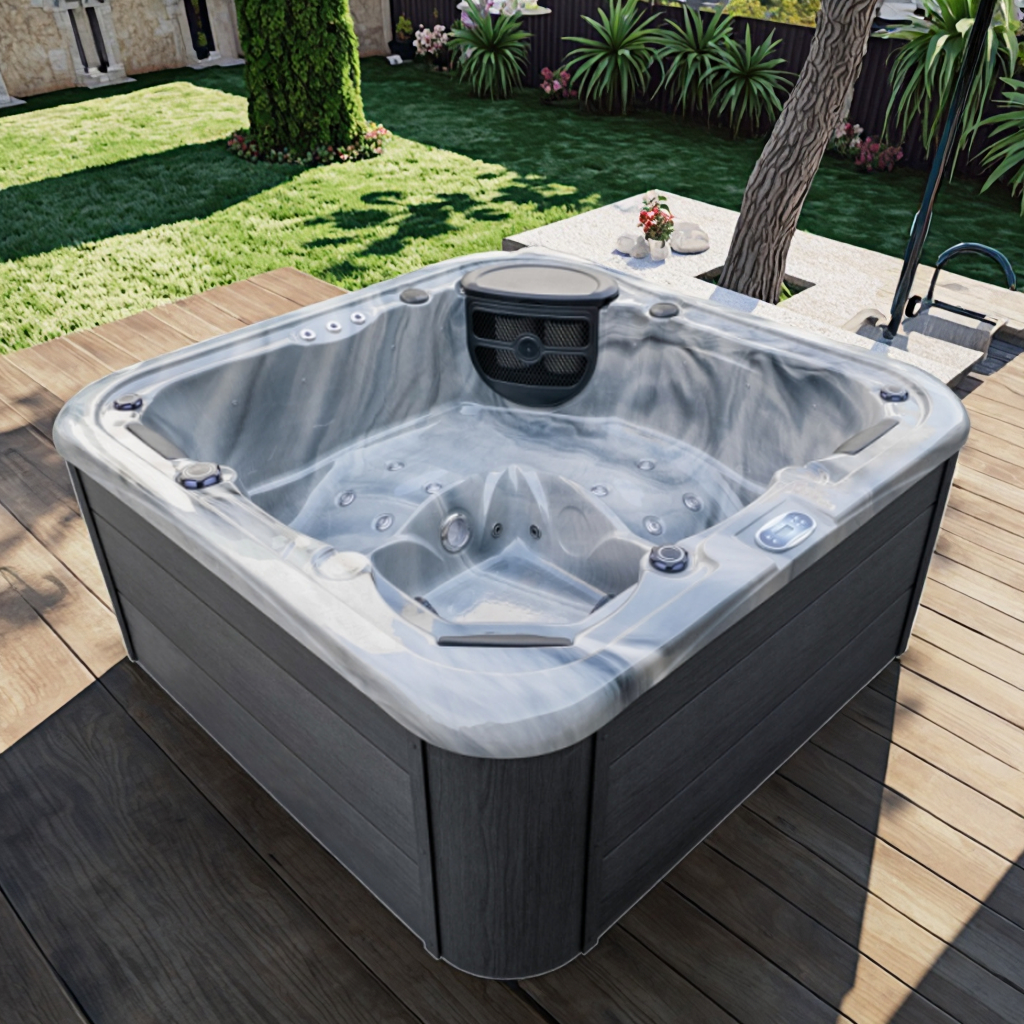
What is the difference between sodium carbonate and sodium bicarbonate?
When selecting a pH increaser, it is crucial to distinguish between pH and total alkalinity. pH reflects the current acidity or alkalinity of the water, while total alkalinity represents the water's buffering capacity—its ability to resist changes in pH. Although related, these are distinct parameters.
| Chemical | Primary Function | Effect on pH | Effect on Total Alkalinity | Best Use Case |
| Sodium Carbonate | Raises pH | Usually stronger | Increases | Low pH with acceptable alkalinity |
| Sodium Bicarbonate | Raises alkalinity | Usually more moderate | Increases | Low total alkalinity |
| Spa pH Increaser | Depends on formulation | Product-dependent | Product-dependent | Follow the product label |
| Sodium Hydroxide | Strongly increases alkalinity and pH | Very strong | Increases | Not recommended for routine DIY spa adjustment |
Sodium hydroxide, while highly effective at raising pH, is extremely corrosive and should not be used by residential owners for routine whirlpool spa hot tub maintenance. Opting for specialized spa products makes it easier to manage dosage and minimize operational risks.
If both pH and total alkalinity are low, adjust them according to the product instructions. Conversely, if the pH is low but total alkalinity is already high, avoid simply adding more sodium bicarbonate. In such cases, re-test the water and, if necessary, consult a professional water treatment specialist.
What is the recommended pH range for an outdoor hot tub?
The CDC recommends a pH range of 7.0–7.8 for residential swimming pools and hot tubs. Some outdoor hot tub manufacturers may recommend a narrower maintenance range, such as 7.2–7.6. Always refer to your equipment manual and the specific sanitization system you are using to determine your target levels.
| Water Parameter | Reference Range | Why It Matters |
| pH | 7.0–7.8 | Supports sanitation, comfort, and equipment protection |
| Total Alkalinity | Commonly around 80–120 ppm, subject to manufacturer guidance | Helps stabilize pH |
| Free Chlorine | At least 3 ppm for hot tubs using chlorine | Controls germs |
| Bromine | 4–8 ppm for hot tubs using bromine | Controls germs |
| Water Temperature | No higher than 40°C (104°F) | Reduces overheating and scalding risks |
The total alkalinity ranges provided in tables are general maintenance guidelines, not universal requirements for all equipment. Different spa systems, sanitizers, and water sources may necessitate different target values.
It is particularly important to note that sanitizer levels must be checked after adjusting the pH. The CDC points out that the germicidal effectiveness of chlorine decreases as the pH rises—especially when the pH exceeds 8.0. Therefore, you should not simply raise the pH indefinitely just to avoid acidic water.
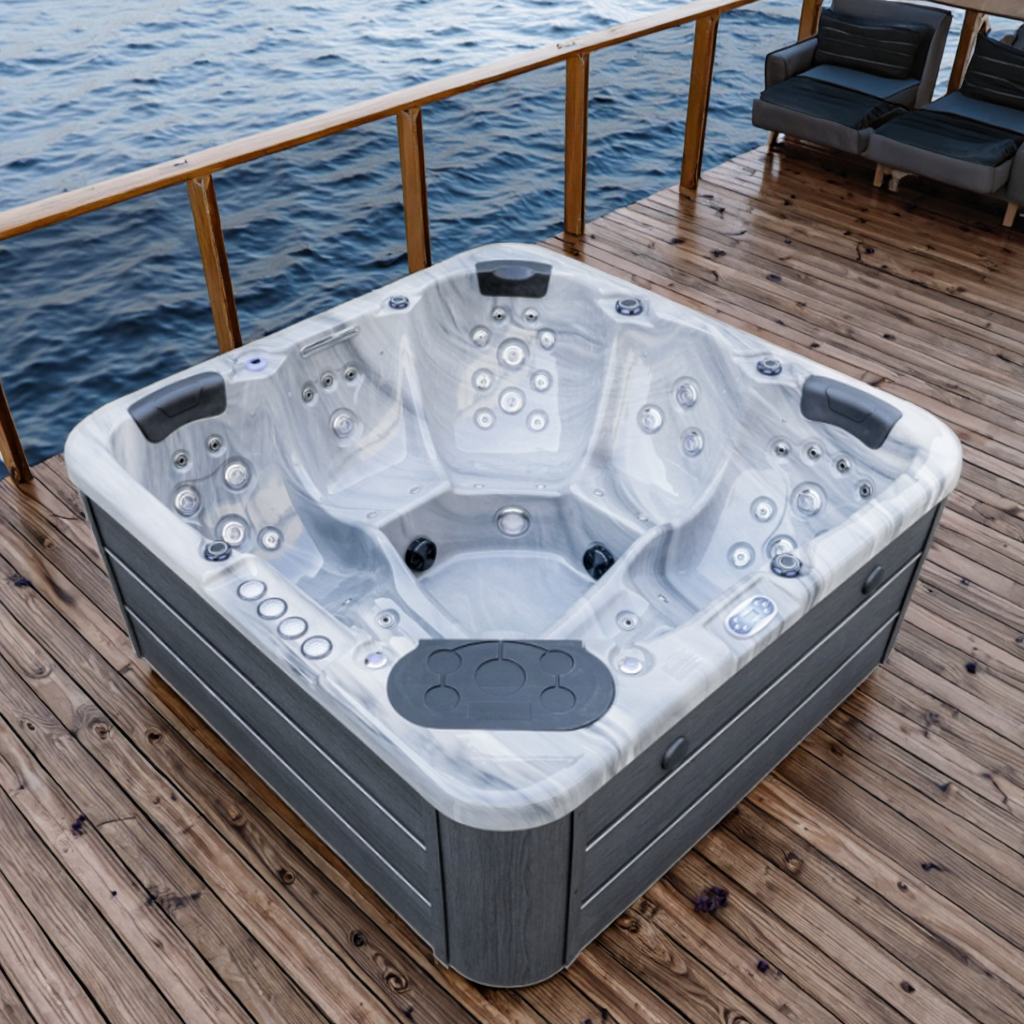
How to properly increase the pH of an outdoor hot tub?
Step 1: Test the pH and total alkalinity
Use test strips or a liquid test kit designed for whirlpool spa hot tubs to measure the pH, total alkalinity, and the concentration of your sanitizer. Follow the product instructions for sample collection; ensure that your reagents are not expired, that you collect the sample from the correct location, and that you read the results at the specified time.
If the test results appear significantly abnormal, it is advisable to retest. Never rely solely on the smell, color, or the way the water feels on your skin to judge the pH level.
Step 2: Select the appropriate chemicals based on your test results
If the pH is low but the total alkalinity is within the target range, consider using a pH increaser (typically based on sodium carbonate). If the total alkalinity is low, consider using an alkalinity increaser (typically based on sodium bicarbonate), then re-evaluate the pH to determine if further adjustments are needed.
If both the pH and total alkalinity are low, make adjustments in stages rather than adding large quantities of multiple chemicals all at once.
Step 3: Calculate the dosage based on water volume and product labels
Outdoor hot tubs vary significantly in water capacity—ranging from a few hundred gallons for standard models to much larger volumes for swim spas. Consequently, the dosage must be determined based on the actual volume of water in your unit, your test results, and the manufacturer’s dosage chart.
For example, one product label might specify a certain dosage for every 400 gallons of water, but another product may have a different concentration of active ingredients; therefore, you cannot simply apply the same dosage across different products. If the capacity of your equipment is expressed in liters, you can use the following conversion:
1 US gallon ≈ 3.785 liters
For example, a 1,000-liter outdoor whirlpool spa hot tub is equivalent to approximately 264 US gallons. Once you have converted the capacity, you must still follow the dosage instructions provided for the specific product; do not attempt to calculate chemical dosages yourself based on a simple ratio, as such estimates have not been verified.
Step 4: Circulate the water and re-test
When adding water treatment agents, always follow the instructions on the product label and in your equipment manual. Check whether you need to run the circulation pump, close the air control valves for the jets, or pre-dissolve the product. Operational requirements vary from product to product.
Some specialized products require addition while the circulation pump is running, followed by a circulation period of at least 30 minutes before re-testing; other products may specify different waiting times.
Never mix different chemicals in the same container without first confirming their compatibility. After making adjustments, re-test the pH, total alkalinity, and sanitizer concentration to ensure all levels have returned to the target range before using the whirlpool spa hot tub again.
Why is the pH in an outdoor whirlpool spa hot tub consistently low?
If the pH drops frequently, simply adding a pH increaser repeatedly is not a long-term solution. You should investigate the underlying cause of these water quality changes.
First, examine how you are using sanitizers. Different sanitizing products affect pH in different ways; continuous use of certain acidic sanitizers can alter the pH or total alkalinity. Adjust your approach based on product instructions and actual test results—do not assume that all chlorine-based products have the same effect.
Second, check your water source. Tap water, well water, and softened water can differ in their initial pH, total alkalinity, and mineral content. If the newly added water has low total alkalinity, the pH may be more prone to fluctuations. It is recommended to test the water quality whenever you fill the whirlpool spa hot tub for the first time or after changing the water.
Third, check if the total alkalinity is too low. When total alkalinity is insufficient, the water lacks adequate buffering capacity, making the pH more susceptible to changes caused by usage, the addition of fresh water, or the application of chemicals. If fluctuations occur repeatedly, you should include total alkalinity in your troubleshooting process, rather than focusing solely on pH.
Fourth, check your testing tools and maintenance records. Expired test strips, inaccurate timing when reading results, or inconsistent testing methods can all lead to incorrect assessments. Keeping a record of every test result, the quantity of chemicals used, and the subsequent changes will help you identify long-term patterns.
What safety precautions should be taken when adjusting the pH of an outdoor hot tub?
Water treatment chemicals must be used according to guidelines. Before handling them, read the product labels, wear any required protective gear, and ensure that the area where you add chemicals or perform maintenance is well-ventilated. Store chemicals in a place inaccessible to children and pets, keep them dry, and follow the storage instructions provided on the product labels.
Most importantly, never mix different concentrated water treatment chemicals—especially chlorine-based disinfectants and acids—as this can release toxic gases. Add chemicals separately, following the product instructions, and adhere to the specified circulation and waiting periods.
In the event of accidental contact with skin or eyes, follow the safety instructions provided with the product immediately. If you experience severe irritation or respiratory discomfort, seek medical attention promptly.
For outdoor hot tubs at hotels, resorts, or other commercial facilities, it is recommended to establish a written protocol for water quality testing and chemical management. The CDC recommends testing public hot tubs for disinfectant levels and pH at least twice a day, with increased frequency during periods of heavy use.
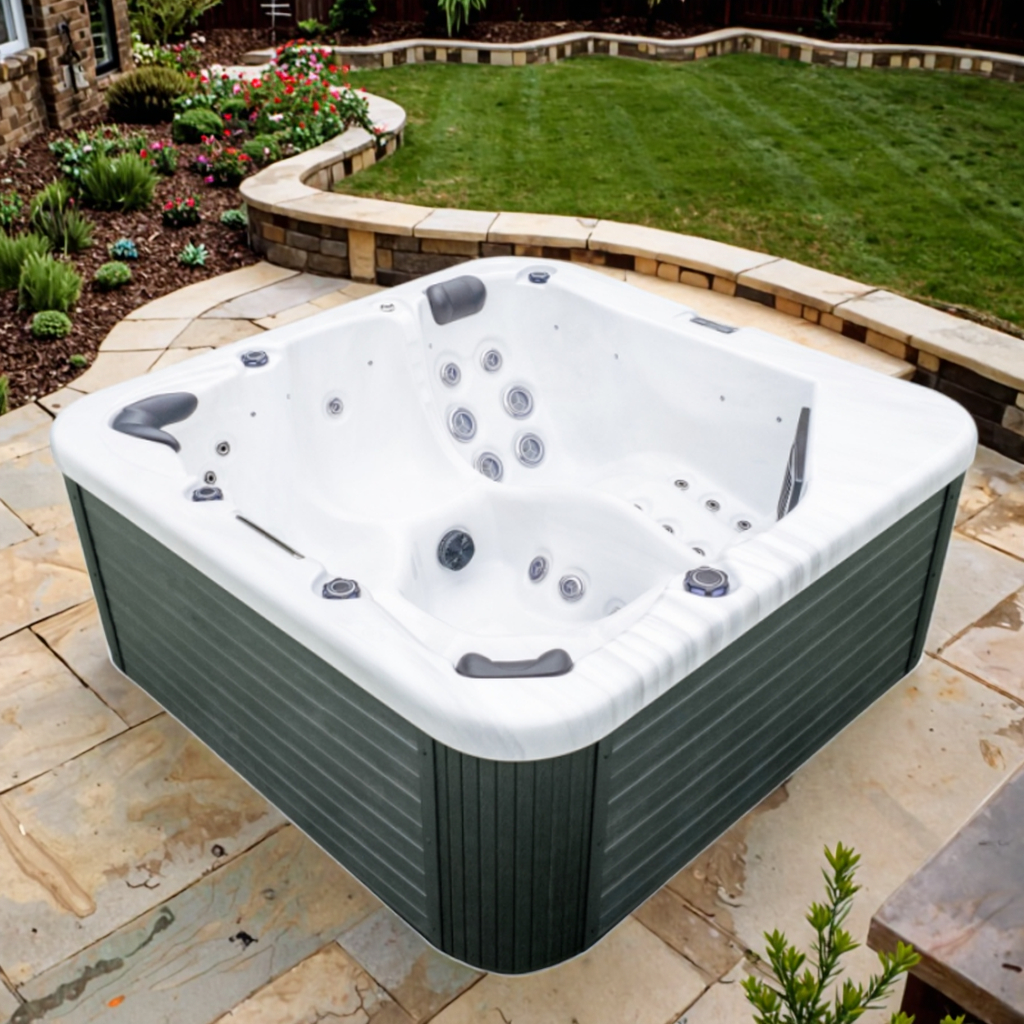
Frequently Asked Questions (FAQ)
Q1: What chemicals are most commonly used to raise the pH of an outdoor hot tub?
The most common options are sodium carbonate and sodium bicarbonate. Sodium carbonate is generally better suited for directly raising pH, while sodium bicarbonate is primarily used to increase total alkalinity. The best choice depends on your water test results.
Q2: Can I use household baking soda to raise the pH of an outdoor hot tub?
Baking soda consists primarily of sodium bicarbonate; however, it is mainly used to increase total alkalinity and may not be appropriate for every situation involving low pH. It is best to use products specifically labeled for whirlpool spa hot tubs, following the test results and the manufacturer's instructions.
Q3: What should the pH level of an outdoor whirlpool spa hot tub be?
The CDC recommends maintaining a pH level between 7.0 and 7.8 for residential swimming pools and hot tubs. Some manufacturers may recommend a narrower range for routine maintenance; always prioritize the instructions specific to your equipment and disinfection system.
Q4: Why does the pH remain low even after adding a pH increaser?
This may be due to an insufficient dosage, low total alkalinity, the characteristics of the water source, or testing errors. It is recommended to re-test the pH and total alkalinity, verify the product dosage guidelines, and make adjustments in stages rather than adding a large amount all at once.
Q5: Does a higher pH mean better water quality for an outdoor whirlpool spa hot tub?
No. A pH that is too high reduces the disinfection efficiency of chlorine and may increase the risk of scale formation. The goal of water maintenance is to keep the pH within the appropriate range, not to raise it as high as possible.