


Why Does the Water in an Outdoor Hot Tub Feel Slimy?
2026-11-03 15:30Under normal conditions, the water in an outdoor hot tub should be clear, and the interior surfaces—such as the tub walls and seats—should not feel noticeably slimy or slippery. If you notice that the water feels as though it is coated in a film, or if the tub walls, areas around the jets, or the waterline become slippery—potentially accompanied by foam, unpleasant odors, or cloudy water—it is time to inspect your water quality and circulation system.
Common reasons for slimy water in an outdoor whirlpool spa hot tub include the accumulation of biofilm, insufficient sanitizer levels, the presence of human sweat or skincare product residues, and inadequate filtration or water circulation maintenance. Biofilm, in particular, is a major concern; it can attach itself to internal plumbing, jets, and other hard-to-reach areas, providing a protective layer for microorganisms.
For residential users, this issue goes beyond an unpleasant tactile sensation—it often indicates a decline in the effectiveness of sanitization. For operators of hotels, resorts, or outdoor spa facilities, failing to address slimy water can negatively impact the guest experience, increase equipment maintenance costs, and compromise hygiene standards.
This article explores the primary causes of slimy water in outdoor whirlpool spa hot tubs, how to identify the problem, steps for cleaning, and preventive measures. It also provides practical guidance on water quality parameters and answers to frequently asked questions.
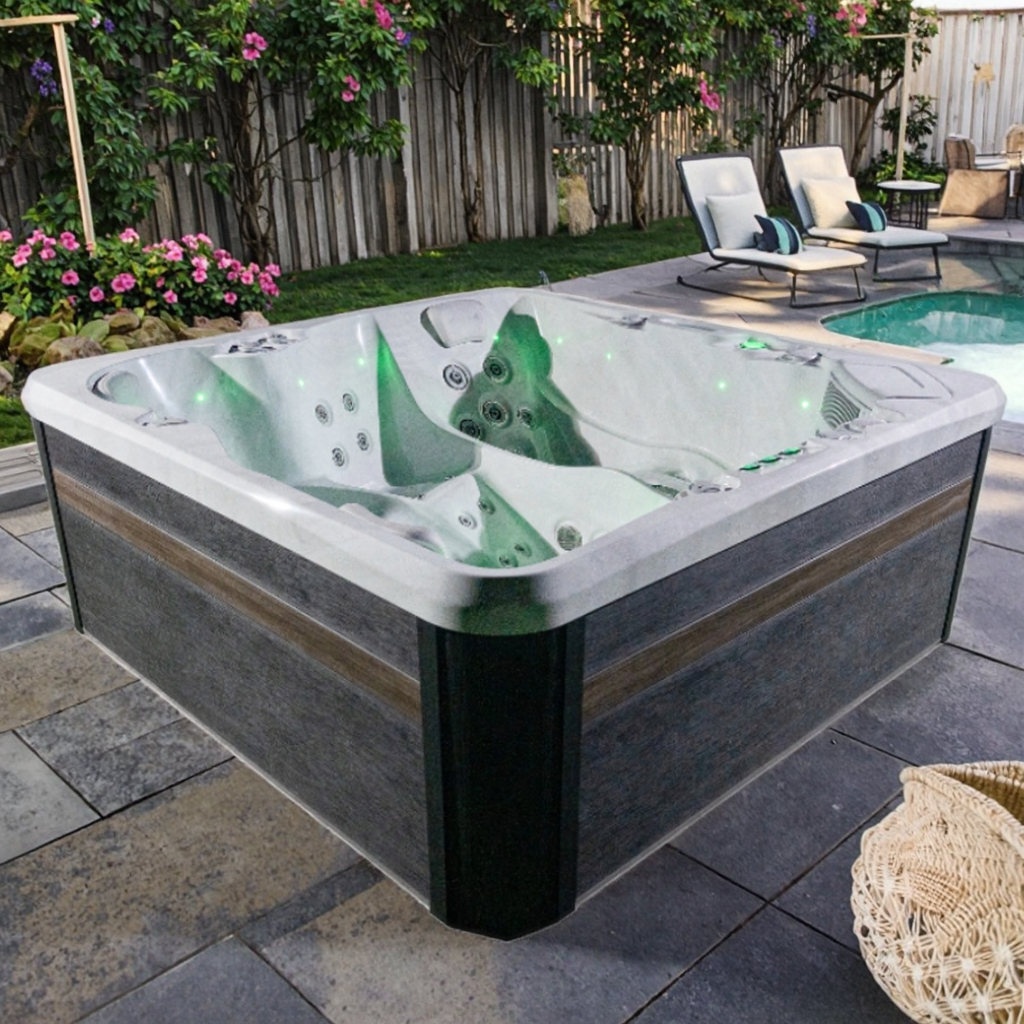
Why Does Outdoor Hot Tub Water Feel Slimy?
1. Biofilm Accumulation: A Key Factor to Investigate
Biofilm is a structure formed when microorganisms attach to a surface; it consists of bacteria, other microbes, and the sticky substances they produce. Because biofilm can adhere to the interior walls of a tub, plumbing lines, filtration systems, and the insides of jets, it may be present within the equipment even when the water itself appears clear.
Outdoor hot tubs are characterized by warm, circulating water, complex plumbing, and numerous jets. If sanitization is not managed properly, or if certain parts of the plumbing system are not cleaned regularly, conditions become ripe for biofilm to accumulate. Furthermore, biofilm can diminish the efficacy of sanitizing agents, making it significantly more difficult to eliminate the microorganisms it harbors. Common signs include a slimy or slippery feel on the inner surfaces of the tub, sticky deposits around the jets, the appearance of small debris in the water when the pump is activated, or the recurrence of these issues shortly after a water change.
If this sliminess persists, simply rinsing the tub’s surfaces with plain water is insufficient. A more effective approach involves inspecting the filters, circulation piping, and jet systems. If necessary, use a pipe-cleaning product compatible with your equipment, and follow the manufacturer’s instructions for cleaning, draining, and re-sanitizing the system.
2. Insufficient Sanitizer or Water Imbalance
The high water temperature in outdoor hot tubs encourages the constant introduction of human sweat, skin oils (sebum), cosmetics, and other organic matter. These substances consume sanitizers; if sanitizer levels are too low, microorganisms can proliferate more easily.
The U.S. Centers for Disease Control and Prevention (CDC) recommends that for whirlpool spa hot tubs sanitized with chlorine, free chlorine levels should be at least 3 ppm; for those using bromine, levels should be maintained between 4–8 ppm. The pH should be kept between 7.0 and 7.8. Always refer to the equipment manufacturer’s guidelines and local regulations for specific maintenance requirements.
When sanitizer levels are inadequate, an outdoor hot tub may develop slimy surfaces, unpleasant odors, or poor water quality. However, note that a slimy texture alone does not definitively prove a lack of sanitizer—this must be confirmed through water testing.
3. Residue from Sweat, Skin Oils, and Personal Care Products
If users do not shower before entering an outdoor whirlpool spa hot tub, substances such as sweat, skin oils, sunscreen, body lotion, hair conditioner, and cosmetics can end up in the water.
These substances increase the organic load, leading to excess foam, added strain on the filters, and the depletion of sanitizers. Over time, this accumulation can cause the water and the inner surfaces of the tub to feel oily or slippery.
For residential users, the introduction of contaminants can be minimized by showering before use, avoiding swimwear that retains high levels of laundry detergent, and regularly cleaning the filters. For high-traffic settings like hotels and resorts, managing the number of simultaneous users, increasing the frequency of water quality testing during peak hours, and requiring users to follow basic hygiene protocols are generally more effective than attempting to address issues after they have already occurred.
4. Clogged Filters or Inadequate Circulation System Maintenance
The filtration system in an outdoor hot tub is designed to capture particulate matter, but it is not a substitute for a disinfection system. If a filter becomes clogged with oils, hair, or other contaminants, water circulation efficiency may decrease, leading to a greater accumulation of pollutants.
Furthermore, components such as jets, internal piping, and pump interiors are not easily visible. If the circulation system is not properly maintained over time, localized deposits and biofilms can develop, serving as a persistent source of water contamination.
Therefore, if an outdoor hot tub develops a slimy or slippery feel shortly after a water change, you should inspect the condition of the filter, the circulation flow rate, and the cleanliness of the jets and piping—rather than simply increasing the dosage of disinfectant.
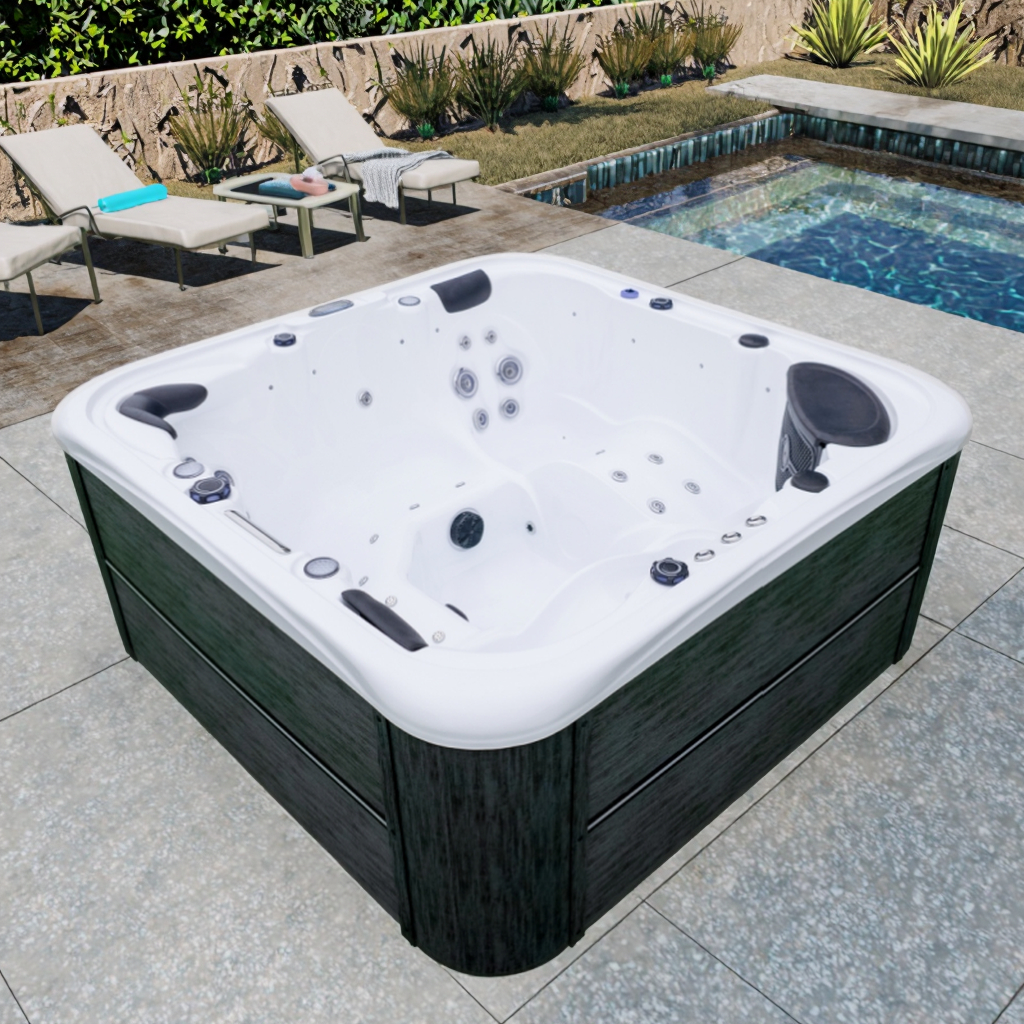
How can you determine the source of sliminess in an outdoor hot tub?
A slimy texture in the water may stem from multiple causes. Users can make an initial assessment by considering water quality test results, the condition of the tub’s surfaces, and the operational status of the equipment.
| Observed Symptom | Possible Cause | Recommended Action |
| Slippery tub walls or seats | Biofilm or organic buildup | Clean surfaces and inspect plumbing |
| Slimy residue around jets | Biofilm or accumulated deposits | Inspect jets and clean plumbing as directed |
| Persistent foam or oily surface | Body oils, cosmetics, or detergent residue | Reduce contaminants and clean the filter |
| Cloudy water with a slippery feel | Poor water balance, insufficient sanitation, or filtration problems | Test water and inspect circulation |
| Water becomes slimy soon after refilling | Contaminated plumbing or inadequate sanitation | Inspect the circulation system and consider a plumbing purge |
| Strong chemical odor | Water chemistry or sanitation problem | Test disinfectant and pH; follow corrective guidance |
Please note that these observations are only for preliminary troubleshooting; one cannot determine the specific type of microorganisms present or the safety of the water based solely on its appearance. Even if the water in an outdoor hot tub appears clear, it does not guarantee that disinfection is adequate.
If the water feels noticeably slimy and is accompanied by an unusual odor, cloudiness, or skin irritation, stop using the whirlpool spa hot tub immediately until water quality testing and necessary cleaning procedures have been completed.
What should the water quality parameters be for an outdoor hot tub?
Proper water quality management is the foundation for preventing issues like sliminess. Users should regularly test disinfectant levels and pH, rather than relying on the water’s color, odor, or tactile feel to gauge its quality.
| Water Quality Parameter | Recommended Reference Range | Purpose |
| Free Chlorine | At least 3 ppm | Helps control germs |
| Bromine | 4–8 ppm | Alternative sanitizer |
| pH | 7.0–7.8 | Supports sanitation and equipment protection |
| Water Temperature | No higher than 40°C (104°F) | Helps reduce overheating and scalding risks |
| Filter Condition | Clean and unobstructed | Supports effective circulation and filtration |
The disinfectant and pH parameters mentioned above are based on the CDC’s hygiene recommendations for hot tubs. Chlorine and bromine represent distinct disinfection systems; you should select and use the appropriate one according to your equipment’s specifications—never mix different types of disinfectants. Additionally, the maximum water temperature should always adhere to the manufacturer’s guidelines and local safety regulations. For residential outdoor whirlpool spa hot tubs, it is recommended to use test strips or kits compatible with your specific disinfection system, following the manufacturer’s instructions. The CDC advises regular testing of chlorine or bromine levels and pH; for public hot tubs, this is typically done at least twice daily—or more frequently during periods of heavy use. For residential units, the frequency of testing should be determined based on usage patterns and the manufacturer’s requirements.
If test results fall outside the recommended range, make adjustments according to the disinfectant product label and the equipment manufacturer’s instructions. Do not simply add large amounts of chlorine or bromine just because the water feels slimy. Overdosing can cause irritation or damage the equipment; the correct approach is to test first, then treat according to the instructions.
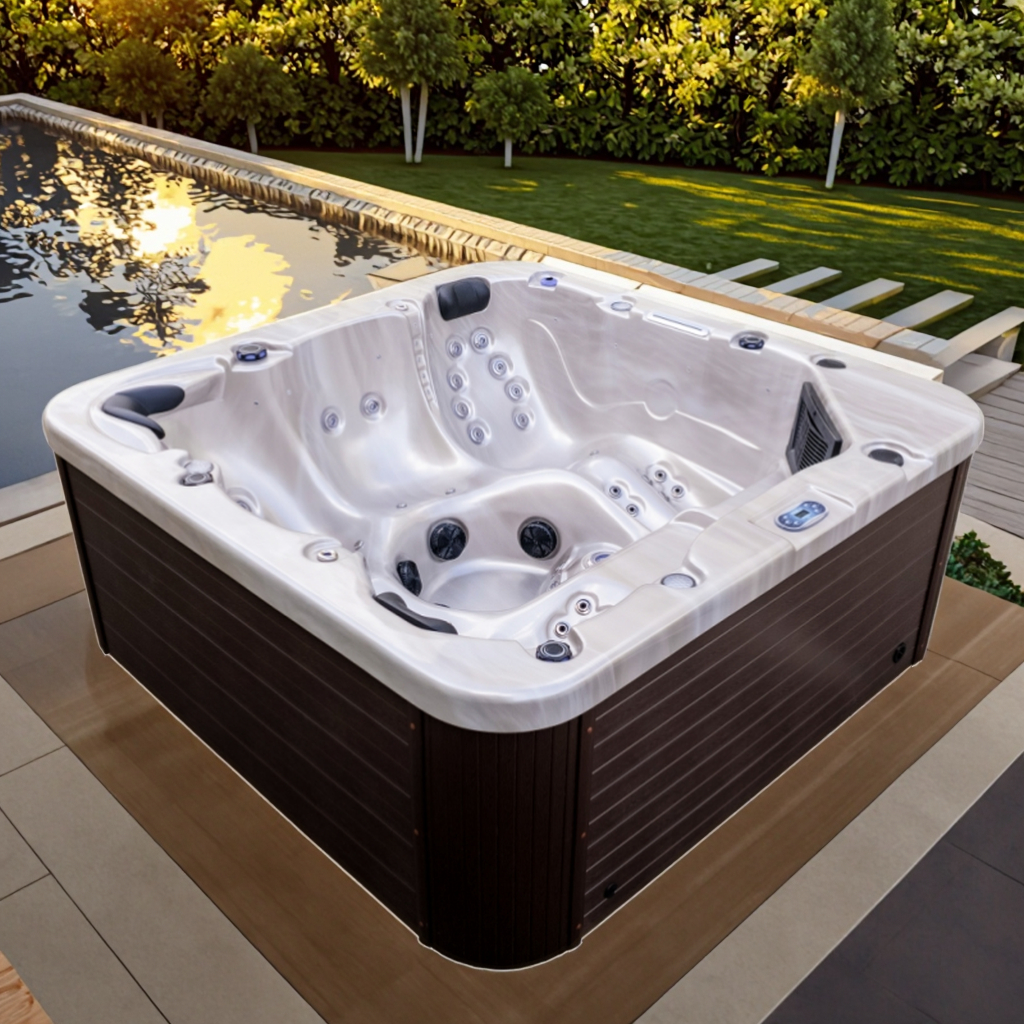
What should you do if the water in your outdoor hot tub feels slimy?
If your outdoor hot tub has developed a noticeable slimy or slippery texture, follow these steps:
1. Stop use and test the water quality
Immediately stop using the whirlpool spa hot tub. Check the levels of free chlorine or bromine and the pH, and observe whether the water is cloudy, foamy, or has an unusual odor. If disinfectant levels are insufficient, make adjustments based on the product instructions and equipment requirements.
If the water quality is significantly abnormal, or if you cannot confirm that the disinfection system is functioning correctly, do not continue to use the hot tub. For public or commercial spa facilities, the hot tub should be closed to users in accordance with applicable health regulations until the necessary inspections are completed.
2. Clean the whirlpool spa hot tub surfaces and filter
Follow the manufacturer’s instructions for maintaining the equipment, including procedures for draining. Once drained, clean the interior walls, seats, waterline, and areas around the jets using a cleaner suitable for the hot tub’s surface material, along with non-abrasive tools.
Remove, clean, or replace the filter according to the manufacturer’s manual. Avoid using strong acids, strong bases, or household cleaners that have not been verified as compatible, as these can damage acrylic surfaces, seals, or other components.
3. Inspect and clean the internal plumbing
If the slimy texture persists or recurs shortly after a water change, investigate the potential presence of biofilm within the jets and circulation plumbing.
Consider using a cleaning product specifically designed for whirlpool spa hot tub plumbing systems, and be sure to follow the product’s instructions precisely. For some products, the circulation system must be run before draining to ensure the cleaning agent passes through the plumbing; this is followed by thorough draining, rinsing, and refilling. Always follow the specific procedures provided by the product and equipment manufacturers.
If you are unsure about the compatibility of a cleaning agent, or if there are stubborn deposits inside the equipment that are difficult to remove, consult a professional technician.
4. Refilling and Establishing Proper Disinfection
Once cleaning is complete, refill the unit according to the manufacturer’s instructions. Verify that the water level is correct and the circulation system is functioning properly, then test and adjust the disinfectant levels and pH. The unit should only be put back into use once the water quality meets the required standards, the equipment is operating correctly, and there are no visible signs of contamination.
Do not attempt to mask odors or a slimy texture by simply adding fragrances, bath products, or other additives. Such substances can increase the organic load, making water maintenance more difficult.
How can you prevent the recurrence of slime in an outdoor hot tub?
Prevention is generally more time-efficient than repeated draining and cleaning, and it also helps extend the lifespan of the equipment.
First, establish a regular water testing schedule. For frequently used outdoor hot tubs, test disinfectant levels and pH based on usage frequency; increase the frequency of testing when more people use the tub. If any parameters are abnormal, address them promptly and document the adjustments made.
Second, keep the filtration system clean. Clean the filter according to the manufacturer’s instructions, and replace it when it reaches the end of its service life or can no longer be effectively cleaned. While filters remove particulate matter, they cannot replace disinfectants, nor can they eliminate biofilms within the plumbing on their own.
Third, control the introduction of contaminants. Shower before entering the hot tub to minimize the amount of sunscreen, body lotion, sweat, and detergent residue that enters the water. In commercial settings, manage the number of users to ensure it does not exceed the equipment’s design capacity.
Fourth, regularly clean the plumbing and the surfaces of the whirlpool spa hot tub. In addition to routine cleaning, schedule draining, surface cleaning, and plumbing maintenance based on water quality, usage frequency, and the manufacturer’s recommendations. Do not wait until the water becomes slimy before performing a thorough cleaning.
Fifth, use a thermal cover to reduce external contamination. Outdoor hot tubs are constantly exposed to the environment, where leaves, dust, and other debris can easily enter the water. Using a suitable thermal cover helps prevent debris from entering and reduces heat loss; however, the cover itself must also be kept clean.
For hotels, guesthouses, and spas, it is recommended to establish a maintenance protocol that includes water quality testing, filter maintenance, plumbing system cleaning, and documentation of any issues encountered. CDC guidelines for hot tub management also emphasize the importance of maintaining the circulation system, removing surface biofilm, and scheduling water changes and disinfection based on usage frequency and water quality.
Frequently Asked Questions (FAQ)
Q1: The water in my outdoor hot tub feels slimy—is it still safe to use?
It is not recommended to continue using the whirlpool spa hot tub if the cause is unknown and the water feels noticeably slimy. You should test the disinfectant levels and pH, inspect the tub’s surfaces, filters, and circulation system, and—if necessary—clean the unit, drain the water, and re-disinfect it.
Q2: The water looks clear, so why does it still feel slimy?
Clear water does not necessarily mean it is free of biofilm or microorganisms. Biofilm can accumulate on inner walls, jets, and within the plumbing, so you must assess the situation by combining water quality testing with a thorough equipment inspection.
Q3: Will adding more chlorine to an outdoor hot tub solve the sliminess issue?
Not necessarily. If the problem stems from biofilm inside the plumbing or an accumulation of organic matter, simply increasing the chlorine level may not provide a complete solution. You should first test the water quality, clean the surfaces, filters, and plumbing as needed, and then resume standard disinfection according to the manufacturer’s instructions.
Q4: How often should the water in an outdoor whirlpool spa hot tub be changed?
There is no universal schedule that applies to all units. The frequency of water changes depends on factors such as water capacity, the number of daily users, the disinfection method, and changes in water quality. You should follow the manufacturer’s recommendations and local health regulations, while also changing the water as needed based on its condition.
Q5: What should I do if the water in my outdoor hot tub keeps becoming slimy?
Focus on checking the plumbing, jets, and filtration system for deposits or biofilm, while also verifying the disinfectant concentration and pH levels. If the problem persists even after cleaning and re-disinfection, contact the manufacturer or a professional technician for a more detailed inspection.