


What positive effects do outdoor spa hot tubs have on the brain?
2026-09-28 15:30In modern life, people constantly face computers, mobile phones, and high-intensity work; the brain must continuously process information, make decisions, and maintain focus. Even without strenuous physical labor, a day’s work can leave one mentally exhausted, with a diminished attention span and a mind that simply won't switch off. Factors such as sleep deprivation, chronic stress, and a lack of effective relaxation can further impair productivity the following day.
Against this backdrop, the outdoor spa hot tub has evolved from a mere leisure fixture into an integral part of a home’s wellness and relaxation space. Soaking in warm water, combined with hydro-massage and the low-stimulation outdoor environment, helps users transition from a state of tension to one of relaxation. Existing research on warm water immersion, sleep, and passive heat therapy suggests that proper use of an outdoor hot tub may indirectly benefit brain function by promoting relaxation and improving sleep quality.
It is important to note that an outdoor spa hot tub is not a medical device for treating anxiety, insomnia, or cognitive disorders, nor should it be simplistically viewed as a way to "boost intelligence" through hot water soaking. A more accurate perspective is that it creates an environment conducive to physical and mental recovery, potentially supporting brain health indirectly through stress relief and improved sleep.
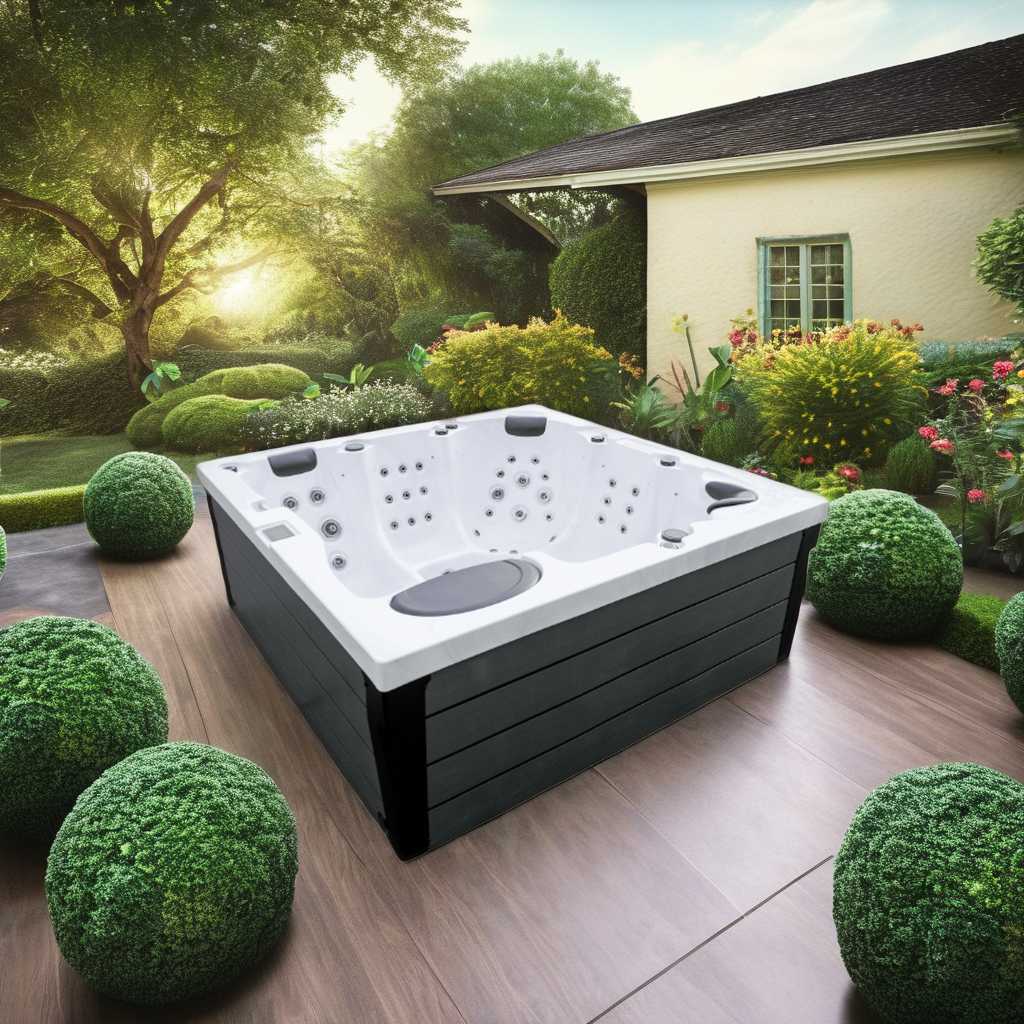
Why do modern brains need more time to relax?
During prolonged work, the brain is constantly engaged in allocating attention, filtering information, retrieving memories, and making decisions. If the majority of the day is spent on computer work, meetings, studying, or other high-intensity mental activities, the brain struggles to enter a state of genuine rest immediately after work ends.
Many people continue to check work messages, scroll through their phones, or ruminate on the next day's tasks even after leaving the office, keeping the brain in a state of heightened arousal. This is a common reason why one might feel physically exhausted yet unable to quiet the mind.
Therefore, effective rest involves more than just stopping work; it requires reducing external stimuli and allowing the body to gradually transition from tension to relaxation. An outdoor spa hot tub facilitates this transition by providing a holistic setting that combines warm water, buoyancy, hydro-massage, and a tranquil outdoor environment.
By minimizing distractions from phones, televisions, and work-related information while using the spa hot tub, it becomes more than just a bathing fixture—it transforms into a "relaxation ritual" within one's daily routine.
Outdoor Spa Hot Tubs May Help Relieve Stress
One of the most direct positive effects of outdoor spa hot tubs on the brain is helping users reduce daily tension.
When the body enters a warm water environment, the skin receives continuous thermal stimulation, triggering changes in circulation and thermoregulation. Simultaneously, the water's buoyancy alleviates some of the body's weight-bearing load, allowing the shoulders, lower back, and legs to relax.
From a neurophysiological perspective, the autonomic nervous system undergoes changes as the body shifts from a state of high tension to one of rest. Research indicates that immersion in warm water can influence autonomic regulation and foster a more relaxed physiological state.
For instance, a study involving immersion in ~40°C water found that a 30-minute soak before bed improved sleep onset latency and sleep efficiency, while also enhancing parasympathetic nervous system activity during sleep. Although the study subjects and settings differed from typical home use of outdoor whirlpool spa hot tubs, the findings suggest a potential link between warm water immersion and improved relaxation and sleep.
Therefore, outdoor hot tubs are best viewed as an aid to relaxation rather than a treatment for mental health disorders.
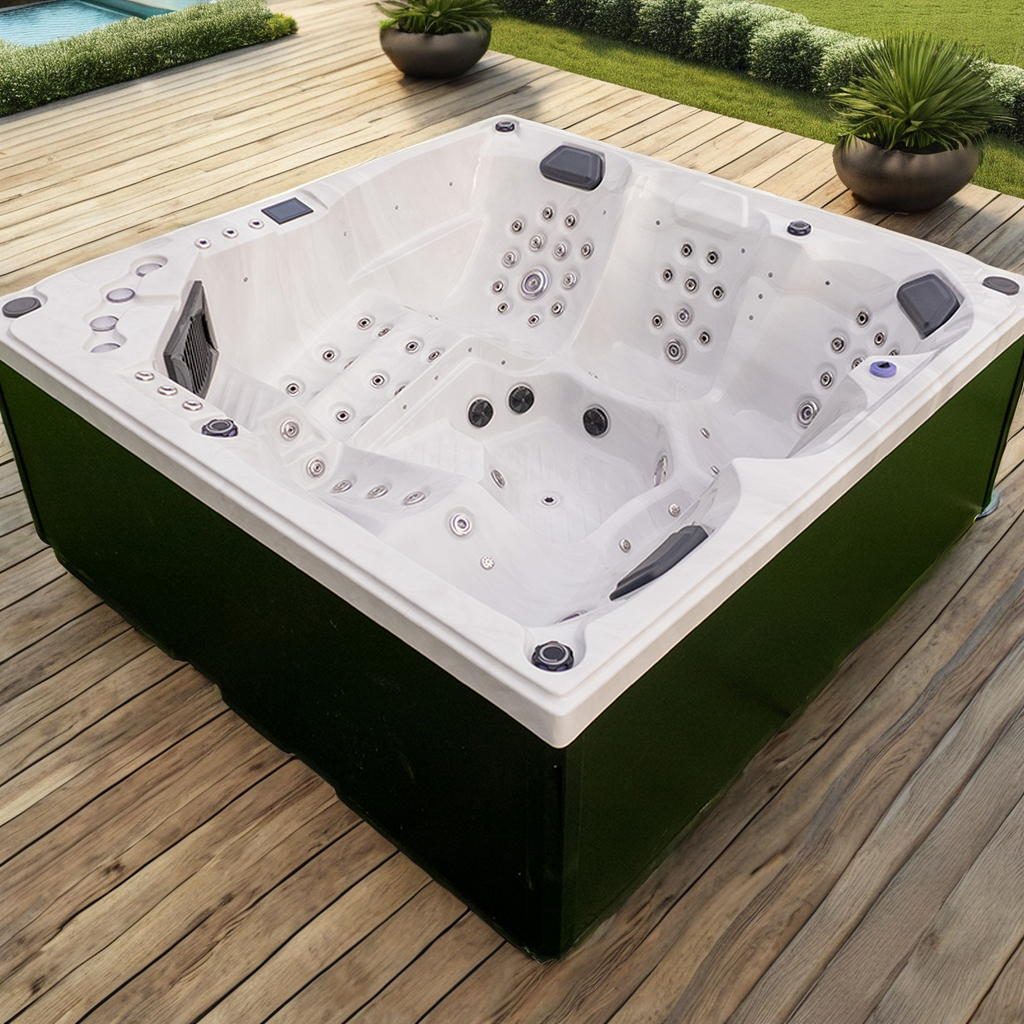
Improved Sleep May Be a Key Way Outdoor Hot Tubs Affect the Brain
Sleep plays a crucial role in the relationship between outdoor whirlpool spa hot tubs and the brain.
During sleep, the brain engages in memory consolidation, the regulation of neural activity, and physical recovery. Chronic sleep deprivation or poor sleep quality can lead to reduced attention, slower reaction times, impaired working memory, and mental fatigue the following day.
Warm water immersion may aid sleep by influencing body temperature fluctuations. Normally, the body's core temperature gradually drops as bedtime approaches. Soaking in warm water causes a temporary rise in body temperature; the subsequent dissipation of heat after leaving the water may facilitate the onset of sleep.
A systematic review and meta-analysis regarding passive body heating before sleep included 17 relevant studies, 13 of which provided data suitable for quantitative analysis. Research indicates that taking a warm shower or bath at temperatures between approximately 40°C and 42.5°C—even for as little as 10 minutes—one to two hours before bedtime can reduce the time it takes to fall asleep and improve certain sleep metrics.
Therefore, if you wish to use an outdoor spa hot tub to help you unwind in the evening, consider scheduling your soak for a time prior to going to bed, rather than heading straight to sleep immediately afterward. Allowing your body some time to cool down after leaving the tub is likely the more sensible approach.
How does improved sleep affect brain function?
While an outdoor whirlpool spa hot tub cannot directly boost intelligence, if it helps improve sleep quality, the brain's daytime performance may benefit as a result.
Adequate sleep is closely linked to attention, memory, reaction speed, and emotional stability. Chronic sleep deprivation can lead to difficulty concentrating, forgetfulness, and reduced work efficiency, even if the actual hours spent working remain unchanged.
Thus, the potential impact of an outdoor hot tub can be understood as an indirect process:
"Warm water immersion → physical relaxation → improved sleep quality → better mental state the following day."
A study conducted in 2026 examined the relationship between repeated hot water immersion and cognitive performance. The findings showed that, after a period of regular immersion, some participants demonstrated improved performance in working memory and logical reasoning tasks, though not all cognitive metrics showed changes. Consequently, it cannot currently be claimed that hot water immersion directly enhances cognitive ability; further long-term studies with larger sample sizes are needed to verify these effects.
Why might the hydro-massage feature of an outdoor hot tub also help the brain relax?
Beyond water temperature, a key feature of outdoor spa hot tubs is hydro-massage.
Modern lifestyles often involve long hours at a desk, making people prone to fatigue in the shoulders, neck, lower back, and legs. Persistent physical discomfort causes the brain to constantly receive sensory signals from the body, which can hinder overall relaxation.
Outdoor whirlpool spa hot tubs utilize jets with varying directions and intensities to provide targeted massage to the back, waist, shoulders, and legs. This soothing massage experience helps release physical tension, further enhancing the overall sense of relaxation.
Therefore, when choosing an outdoor spa hot tub, one should look beyond the mere number of jets. For instance, a product featuring dozens of jets is not necessarily more comfortable than one with fewer jets that are strategically positioned. Factors such as jet placement, water flow angles, pressure adjustability, and the ergonomic design of the seating are equally important.
For outdoor spa hot tubs designed primarily for relaxation and recovery, the suitability of the water flow for the human body is generally more significant than the sheer number of jets.
The outdoor setting itself enhances the relaxation experience
One of the key differences between an outdoor spa hot tub and a standard indoor bathtub is its ability to combine a warm, soothing aquatic environment with the outdoors.
When installed in a courtyard, on a deck or balcony, or in a dedicated leisure area, the whirlpool spa hot tub allows users to enjoy the warm water while connecting with nature—fresh air, greenery, the open sky, and natural light. In the evening, especially when avoiding harsh artificial lighting and mobile phones, sitting quietly in an outdoor hot tub offers a sensory experience that stands in stark contrast to the typical work environment.
This shift in environment is particularly valuable for those who work from home. Stepping away from the desk and into the hot tub after the workday ends serves as a clear signal to the brain that work is over.
Ultimately, the value of an outdoor hot tub extends beyond heating speed and jet count; factors such as operating noise, lighting, seat design, thermal insulation, and control systems all play a role in the overall relaxation experience.
Is a higher temperature always better for an outdoor hot tub?
Not necessarily.
Temperature is a critical safety parameter when using an outdoor whirlpool spa hot tub. While many consumers believe that hotter water promotes deeper relaxation, excessive temperatures increase the body's heat load, potentially leading to dizziness, dehydration, overheating, or even a loss of consciousness.
The U.S. Centers for Disease Control and Prevention (CDC) recommends that whirlpool spa hot tub water temperatures not exceed 104°F (40°C). Therefore, 40°C should be viewed as a crucial safety upper limit rather than an ideal temperature for prolonged use by everyone.
In practice, adjustments should be made based on individual tolerance, ambient temperature, and the duration of the soak. If you experience significant dizziness, nausea, heart palpitations, or excessive overheating, you should exit the whirlpool spa hot tub immediately and rest. From a product design perspective, a high-quality outdoor hot tub should feature stable temperature control and accurate, real-time temperature displays. This allows users to make appropriate adjustments based on their needs, rather than simply aiming for the highest possible water temperature.
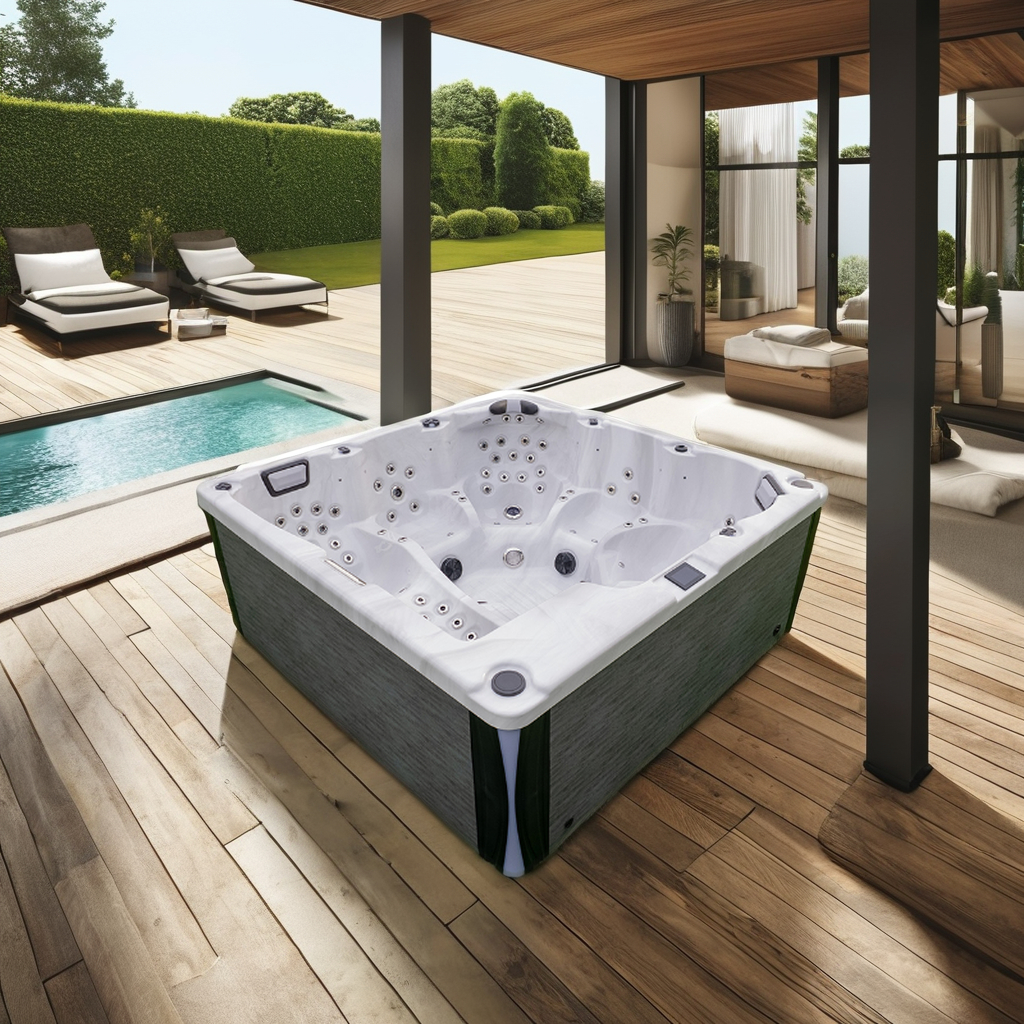
Is soaking in an outdoor hot tub for longer periods better for the brain?
Not necessarily.
Warm water increases the body's thermal load, so a prolonged soak does not automatically equate to greater relaxation. Studies have utilized varying soak times—ranging from approximately 10 to 30 minutes—meaning there is no universal standard applicable to everyone.
If the primary goal is evening relaxation, you might start with a shorter duration and adjust based on how you feel. For healthy adults, establishing a routine of moderate, regular use is preferable to attempting a single, excessively long soak.
It is also important to pay attention to hydration and your physical condition. Maintaining proper hydration before and after using an outdoor whirlpool spa hot tub helps mitigate the discomfort associated with high-temperature environments.
Who should exercise caution when using an outdoor hot tub?
While outdoor whirlpool spa hot tubs are suitable for leisure and relaxation for many adults, this does not mean everyone should use the same temperature settings or soak durations.
Children require special attention; the CDC advises that children under the age of five should not use whirlpool spa hot tubs. Pregnant women planning to use a hot tub should consult a medical professional first.
Individuals with cardiovascular disease, abnormal blood pressure, impaired thermoregulation, or other conditions that could be affected by high temperatures should also seek professional advice before use.
Additionally, one should not use an outdoor spa hot tub after consuming alcohol. Alcohol can impair judgment, and the high-temperature environment places further strain on the body; the combination of the two increases safety risks.
FAQ
1. Can using an outdoor spa hot tub really improve memory?
There is currently no definitive evidence to support this claim. Some studies suggest that repeated hot water immersion may improve performance in certain areas of working memory and logical reasoning; however, not all cognitive metrics show improvement, so further research is needed to verify these findings.
2. Is it a good idea to use an outdoor spa hot tub in the evening?
Yes. For those seeking relaxation and better sleep, soaking in warm water one to two hours before bedtime can be beneficial. This allows the body to gradually dissipate heat after leaving the water, creating favorable conditions for sleep.
3. What is the ideal temperature for an outdoor spa hot tub?
Adjustments should be made based on individual circumstances, but the CDC recommends that whirlpool spa hot tub water temperatures not exceed 40°C (104°F). Higher temperatures do not necessarily equate to better relaxation.
4. How can an outdoor whirlpool spa hot tub help with sleep?
Soaking in warm water may help some people fall asleep faster and improve certain sleep metrics by temporarily raising body temperature, facilitating heat dissipation after exiting the water, and promoting physical relaxation.
5. Can an outdoor whirlpool spa hot tub replace treatment for insomnia?
No. If you suffer from chronic, severe insomnia or other sleep disorders, you should seek professional medical advice. An outdoor whirlpool spa hot tub is best viewed as a supplementary aid to your daily relaxation and sleep routine.