


What kind of warranty should an outdoor hot tub manufacturer provide?
2026-10-17 15:35Ensuring long-term, stable operation for a hot tub installed outdoors is no simple task. Outdoor spa hot tubs must withstand a variety of challenges year-round, including intense sunlight, moisture and rain, temperature fluctuations, chemical exposure from the water, and the strain of continuous operation. Unlike standard bathroom fixtures, a modern outdoor jacuzzi tub is a comprehensive hydrotherapy system comprising multiple core components: the acrylic shell, fiberglass reinforcement, pumps, heaters, filtration systems, control systems, massage jets, electrical modules, and insulation structures. A quality issue with any single critical component can compromise the user experience of the entire unit.
Buyers often face similar questions when selecting an outdoor spa hot tub manufacturer: Why do some suppliers offer only a one-year warranty, while established brands provide multi-year structural guarantees? Why do some spa hot tubs remain stable after years of use, while others quickly develop issues like leaks, pump failures, or reduced heating efficiency? These differences stem not only from materials and manufacturing processes but also from the manufacturer's commitment to quality management and after-sales support systems.
For international buyers, a warranty is more than just a written promise; it is a key indicator of a manufacturer's overall capabilities. A reliable manufacturer provides a comprehensive warranty covering the product structure, core components, electrical systems, and after-sales support, thereby minimizing risk for the customer throughout the stages of procurement, installation, operation, and long-term maintenance.
Therefore, what kind of warranty should a professional outdoor spa hot tub manufacturer offer? What are the appropriate warranty periods for different components? How can buyers assess the reliability of a supplier's warranty? These questions merit in-depth analysis.
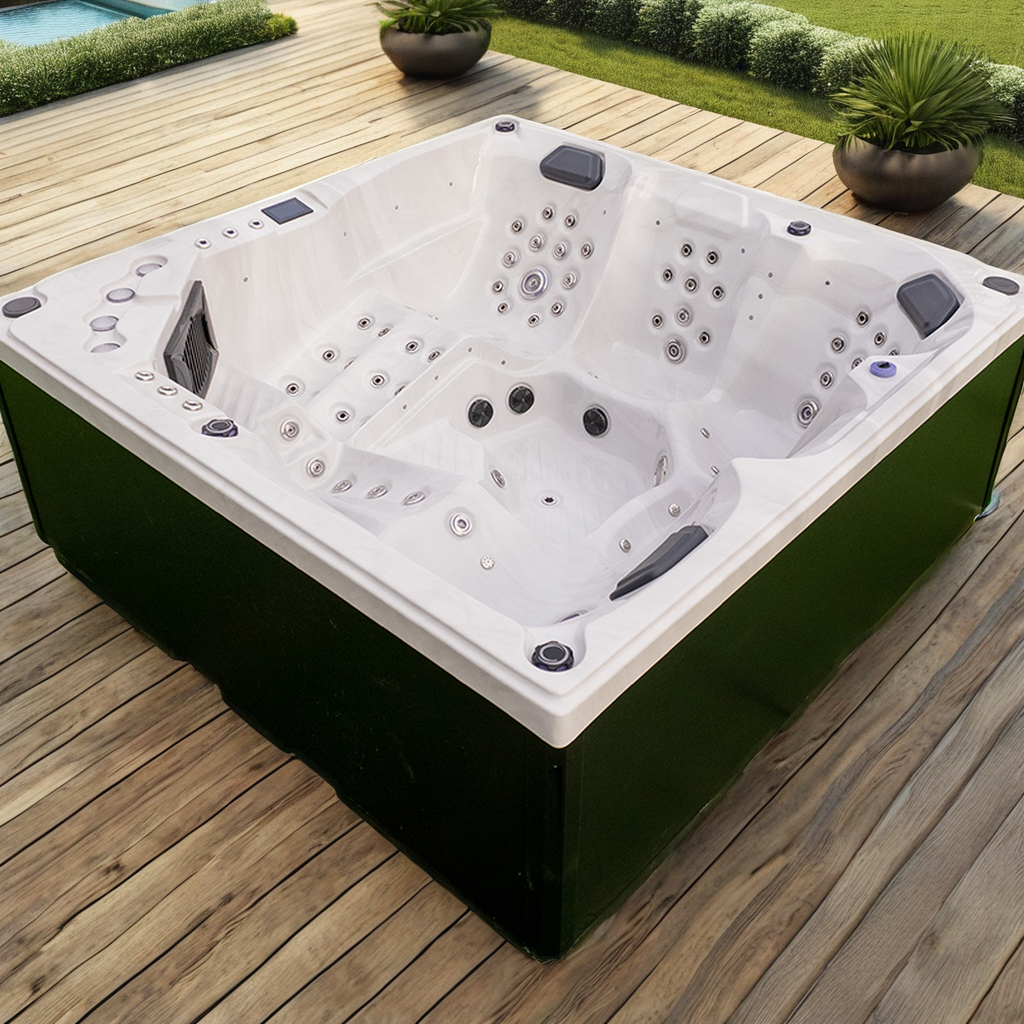
Why is the outdoor hot tub industry placing increasing importance on warranties?
Unlike standard bathtubs, outdoor hot tubs are designed for long-term, continuous operation. When customers purchase one, they are acquiring more than just a water-holding vessel; they are investing in a complete home or commercial hydrotherapy system that integrates massage, water circulation, heating, temperature maintenance, filtration, and smart controls.
In terms of product structure, a standard outdoor jacuzzi tub consists of several critical modules. For instance, mid-to-high-end outdoor hot tubs may be equipped with 2–5 pumps, 20–80 massage jets, independent circulation and filtration systems, electronic control systems, and multi-layer insulation structures. These units must withstand daily water pressure, electrical loads, and mechanical operational stress; consequently, product reliability directly impacts long-term maintenance costs.
Furthermore, because outdoor jacuzzi tubs are situated in outdoor environments, their operating conditions are far more demanding than those of indoor bathroom fixtures. For example, in cold regions, the equipment must endure low winter temperatures or even freezing conditions; in hot regions, the shell material must withstand prolonged UV exposure; and in coastal areas, airborne salt can accelerate the corrosion of metal components. Inadequate control over material selection, structural design, or production testing by the manufacturer can easily lead to a shortened product lifespan.
Industry experience indicates that the typical service life of a high-quality outdoor spa hot tub ranges from 8 to 15 years, with longevity influenced by factors such as manufacturing quality, installation methods, routine maintenance, and after-sales support. For distributors and project clients, a unit that frequently malfunctions after the warranty period expires not only drives up repair costs but also damages brand reputation. Therefore, selecting a manufacturer with a comprehensive warranty system is a crucial strategy for mitigating long-term operational risks.
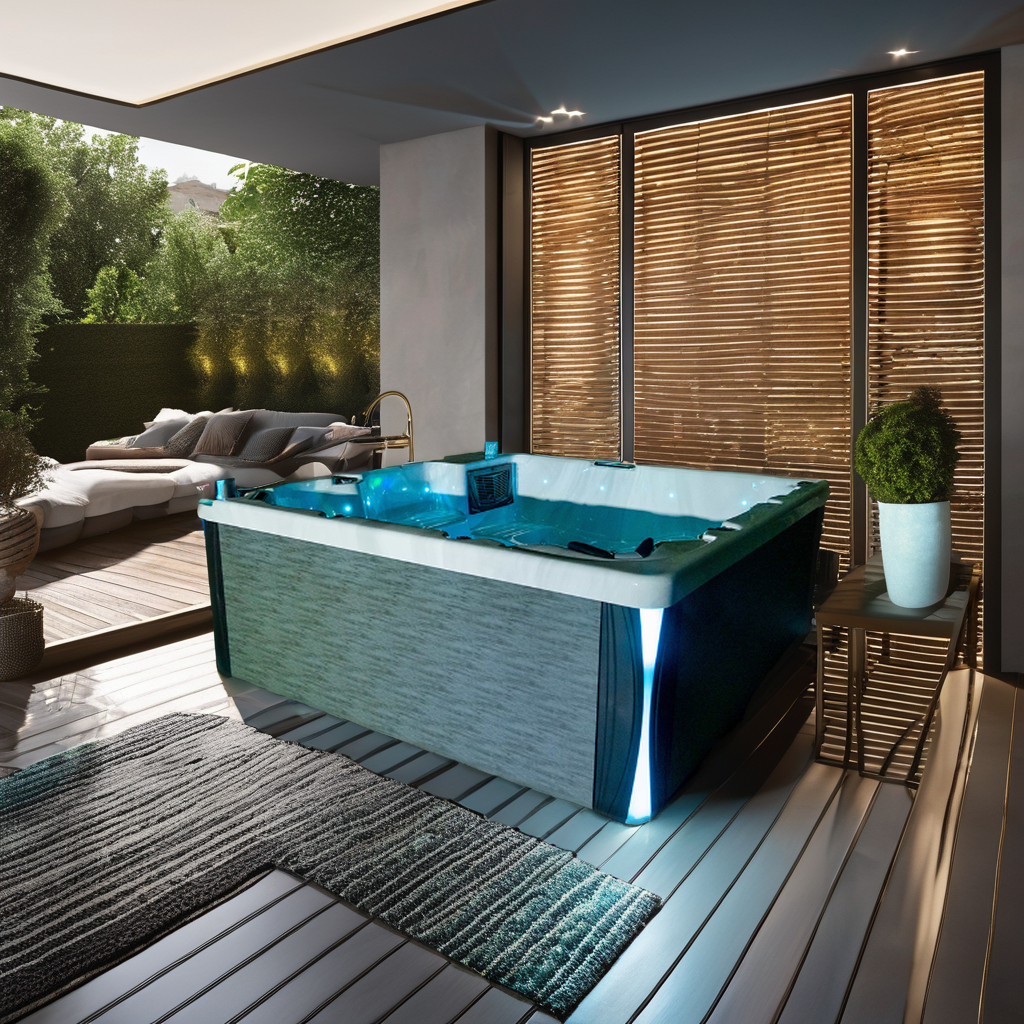
What core warranty coverage should outdoor hot tub manufacturers provide?
A professional outdoor hot tub manufacturer should not merely offer a basic "one-year warranty on the entire unit"; instead, they should implement a tiered warranty policy based on the relative importance of different components. This is because the various components within an outdoor hot tub differ significantly in terms of service life, repair complexity, and cost.
1. Shell Structure Warranty: Recommended 5 years or longer
The shell structure is the core component of an outdoor jacuzzi tub and the foundation of its long-term stability. High-quality modern outdoor jacuzzi tubs typically feature an acrylic surface layer, with overall strength enhanced through methods such as fiberglass reinforcement and resin strengthening.
Common structural elements include:
•Acrylic surface layer;
•Fiberglass (FRP) reinforcement layer;
•ABS bottom protective panel;
•Steel frame or composite support structure. High-quality materials and sound structural design enhance impact resistance, prevent deformation, and reduce the risk of cracking over long-term use.
Consequently, professional outdoor hot tub manufacturers typically offer a warranty of five years or more covering structural issues not caused by human error, such as:
•Cracking of the tub shell structure;
•Deformation resulting from manufacturing defects;
•Abnormal damage to the reinforcement layer.
Manufacturers targeting the high-end market may offer even longer structural warranties, as the tub shell is the component with the longest lifespan.
Naturally, structural warranties generally exclude issues caused by physical impact, improper installation, prolonged exposure to the sun while the tub is empty, or poor water quality management. Therefore, reputable suppliers should clearly define the scope of liability in contracts and warranty documents to prevent misunderstandings.
What kind of warranty should be provided for outdoor hot tub pumps and massage systems?
The massage system is a key feature distinguishing outdoor jacuzzi tubs from standard bathtubs and is central to the user experience.
A complete massage system typically includes:
•High-performance massage pumps;
•Circulation/filtration pumps;
•Air pumps;
•Massage jets;
•Plumbing and piping systems.
Water pumps are components subject to frequent, high-intensity operation. In a typical outdoor spa hot tub, a massage pump may range from 1.5 HP to 3 HP, requiring it to drive large volumes of water to generate massage pressure. If pump quality is inadequate, long-term operation can lead to motor malfunctions, increased noise, reduced flow rates, or seal failures.
Therefore, manufacturers should generally provide a warranty of at least 1–2 years for pumps and massage systems.
For commercial applications—such as hotels, spas, or resorts—equipment operates more frequently, placing stricter demands on pump longevity. Commercial buyers should prioritize manufacturers offering commercial-grade after-sales support rather than focusing solely on the initial purchase price.
Additionally, while massage jets have a simple structure, they are subject to aging due to constant exposure to water and chemical environments. Leading manufacturers typically offer support for jet replacement and guarantee the long-term availability of common spare parts. What kind of warranty coverage is required for the heating and control systems of outdoor jacuzzi tubs?
The heating system directly affects user comfort and is a major factor in the equipment's energy consumption.
Heating capacities for outdoor hot tubs on the market vary based on region and product specifications, typically including:
•2kW heating systems;
•3kW heating systems;
•Commercial-grade heating equipment (5kW and above).
Voltage standards differ by country; therefore, manufacturers exporting outdoor spa hot tubs must design electrical systems tailored to their target markets. For instance, 110V/220V systems are common in North America, 230V systems are standard in Europe, and 240V is the norm in Australia.
Warranty coverage for heating systems should generally include:
•Heating element failure;
•Temperature control malfunctions;
•Electrical connection issues;
•Manufacturing defects in control modules.
A standard, reasonable warranty period is 1–2 years.
In addition to the heater, the smart control system is a crucial component of modern outdoor hot tubs. Many products now feature:
•LCD control panels;
•Touchscreens;
•Wi-Fi remote control;
•Smart app management;
•Automatic constant-temperature modes;
•Energy-saving operation modes.
While electronic components enhance product intelligence, they also rely heavily on robust waterproofing, moisture resistance, and electrical protection designs. Consequently, professional manufacturers should provide clear warranty terms for control panels, main controllers, and related electronic modules.
Generally, standard electronic components come with a one-year warranty, while high-end smart control systems may offer coverage exceeding two years.
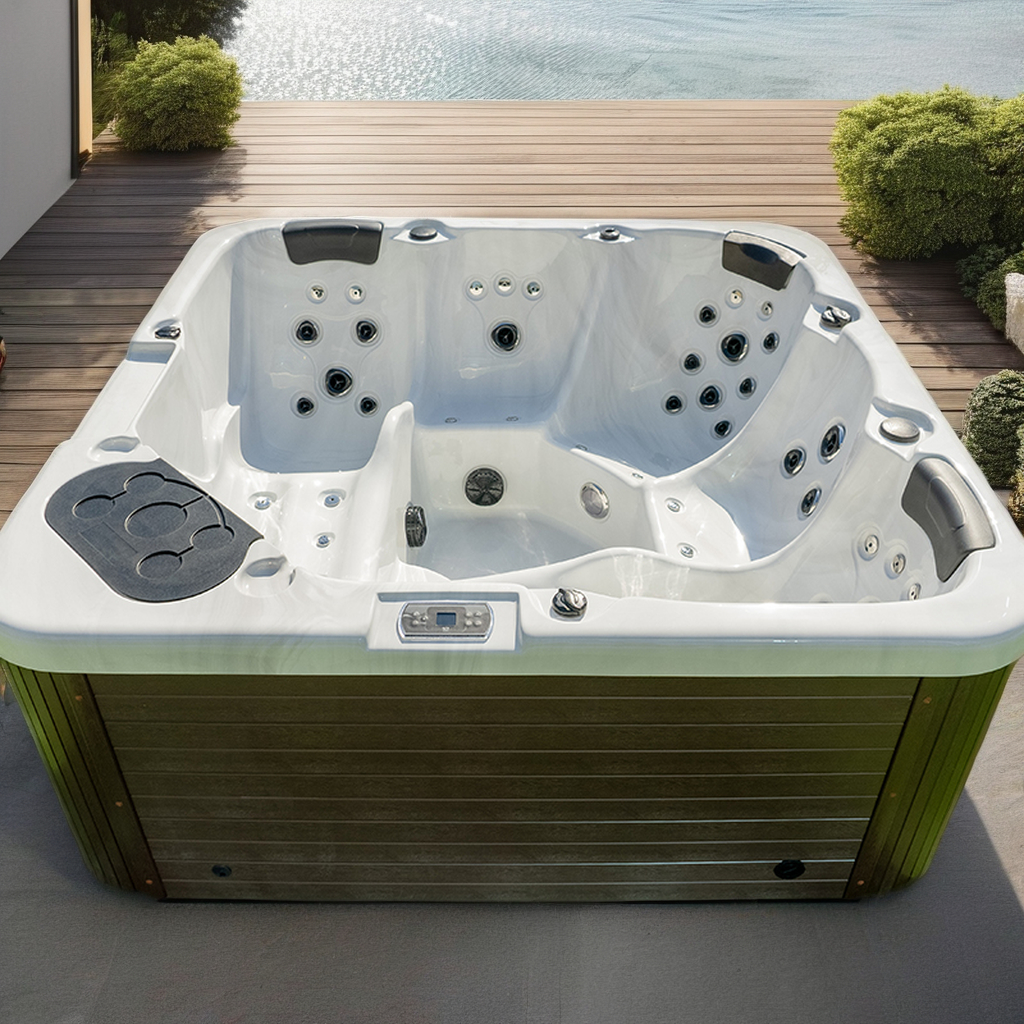
Why is thermal insulation performance a vital part of the outdoor hot tub warranty framework?
Many buyers focus on the number of massage jets and pump power but overlook a critical factor in long-term operating costs: thermal insulation performance.
Outdoor spa hot tubs must maintain water temperatures of around 38°C (or higher).
Inadequate insulation design can lead to:
•Longer heating times;
•Increased electricity consumption;
•Reduced operating efficiency in winter;
•Higher maintenance costs for the user.
High-quality outdoor hot tubs typically feature a multi-layer insulation design, such as:
•High-density PU foam insulation;
•Multi-layer thermal insulation materials;
•Insulated protective base;
•High-performance thermal cover.
An excellent insulation structure not only improves energy efficiency but also protects internal plumbing and equipment.
Therefore, manufacturers should provide reasonable warranty coverage for the insulation structure. If the insulation layer fails due to manufacturing defects, it should fall under the scope of quality liability.
Typically, the insulation system can be included under a structural warranty covering three years or more.
What other after-sales services should professional outdoor hot tub manufacturers provide?
The warranty period is only one part of the after-sales system; truly mature manufacturers must also provide comprehensive service support.
First, manufacturers should provide clear warranty documentation, including:
•Product warranty terms;
•Installation instructions;
•Operation and maintenance manuals;
•Troubleshooting guides for common issues;
•Spare parts catalogs.
These materials help distributors and end-users quickly resolve routine issues.
Second, manufacturers need to have remote technical support capabilities. Since many modern outdoor jacuzzi tubs are exported overseas, suppliers cannot immediately visit the site for repairs if problems arise; therefore, remote support is crucial, including:
•Video-guided installation;
•Fault analysis via photos;
•Remote diagnosis by technicians;
•Provision of repair solutions.
Third, the ability to supply spare parts over the long term is critical. A high-quality outdoor spa hot tub may have a lifespan exceeding 10 years; if the manufacturer stops supplying parts after a few years, customers will face difficulties with maintenance.
Therefore, a reliable outdoor hot tub manufacturer should guarantee:
•Supply of water pump parts;
•Supply of control system components;
•Support for jet replacements;
•Supply of seals and gaskets;
•Inventory of commonly used repair parts.
How can buyers determine if an outdoor hot tub manufacturer's warranty is reliable?
Many suppliers in the market advertise "long-term warranties," but buyers should not rely solely on marketing claims; they need to assess the actual capabilities backing the warranty.
First, check whether the warranty covers core components. Some suppliers advertise multi-year warranties, but in reality, coverage is limited to the shell, excluding high-value components such as pumps and electronic control systems.
Secondly, it is important to verify whether the manufacturer possesses genuine production capabilities. A manufacturer with years of experience and robust quality control processes is generally better positioned to provide reliable after-sales support than a trading company.
Thirdly, consider certifications and testing capabilities.
Professional outdoor hot tub manufacturers targeting export markets typically prioritize:
•CE certification;
•ETL certification;
•SAA certification;
•ISO quality management systems;
•Environmental standards.
Fourthly, consider the company's long-term operational viability. Warranty commitments ultimately rely on the company to fulfill them; if a supplier lacks stable production capabilities, they may be unable to honor a long-term warranty, even if one was promised.
Therefore, when purchasing a modern outdoor jacuzzi tub, price is only one factor; the manufacturer's strength, product testing, after-sales support, and long-term service capabilities are equally important.
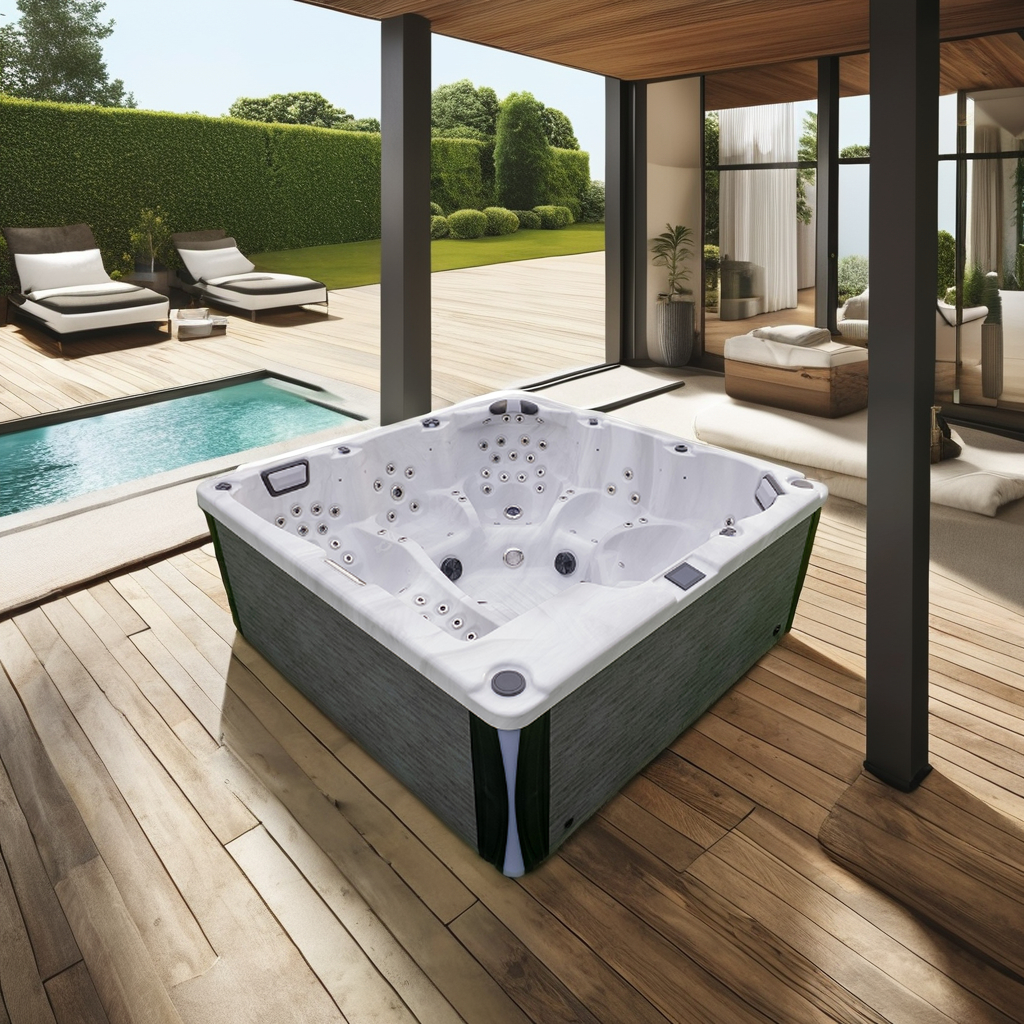
FAQ: Common Questions About Outdoor Hot Tub Manufacturer Warranties
Q1: What is the typical warranty period for an outdoor spa hot tub?
Warranty periods vary by component. Generally, manufacturers should provide a warranty of at least 5 years for the shell structure; mechanical components like pumps should ideally be covered for 2 years or more, while electronic control systems typically carry a 1–2 year warranty.
Q2: Is water leakage covered under the warranty?
If the leak is caused by a manufacturing defect—such as structural issues with the shell or faulty plumbing connections—it is usually covered. However, leaks caused by installation errors, freeze damage, human error, or improper water maintenance are typically not eligible for free repair.
Q3: Why do warranty terms vary significantly between manufacturers?
Differences arise from factors such as material quality, production processes, testing standards, company scale, and after-sales capabilities. Suppliers with mature manufacturing systems can usually offer more reliable long-term coverage.
Q4: What is most important regarding warranties when purchasing outdoor spa hot tubs from overseas?
Beyond the duration of the warranty, key considerations include the speed of after-sales response, the availability of spare parts, technical support capabilities, and whether the manufacturer has experience with international exports.
Q5: When selecting an outdoor hot tub manufacturer, should priority be given to price or warranty?
For long-term use, warranty coverage and product reliability are generally more important than a low initial price. The costs associated with subsequent repairs, downtime, and customer complaints often far exceed any savings realized during the purchasing stage.