


Is Acrylic a Common Material for Freestanding Bathtubs?
2026-03-26 15:35In modern bathroom design, freestanding bathtubs are highly favored for their elegant appearance, flexible layout options, and visual appeal. As consumer expectations regarding comfort and aesthetics continue to rise, the choice of material has become a critical consideration.
Among the myriad of available materials, acrylic has garnered significant attention due to its lightweight nature, ease of molding, and comfortable user experience.
This raises a key question:
Is acrylic a common material for freestanding bathtubs?
Are acrylic freestanding bathtubs superior to those made from other materials?
Why has it become a mainstream choice for consumers?
This article will systematically address these questions by examining various aspects—including material properties, user experience, durability, design flexibility, heat retention capabilities, and ease of cleaning—while offering an in-depth analysis of why acrylic freestanding bathtubs are so widely utilized in today's market.
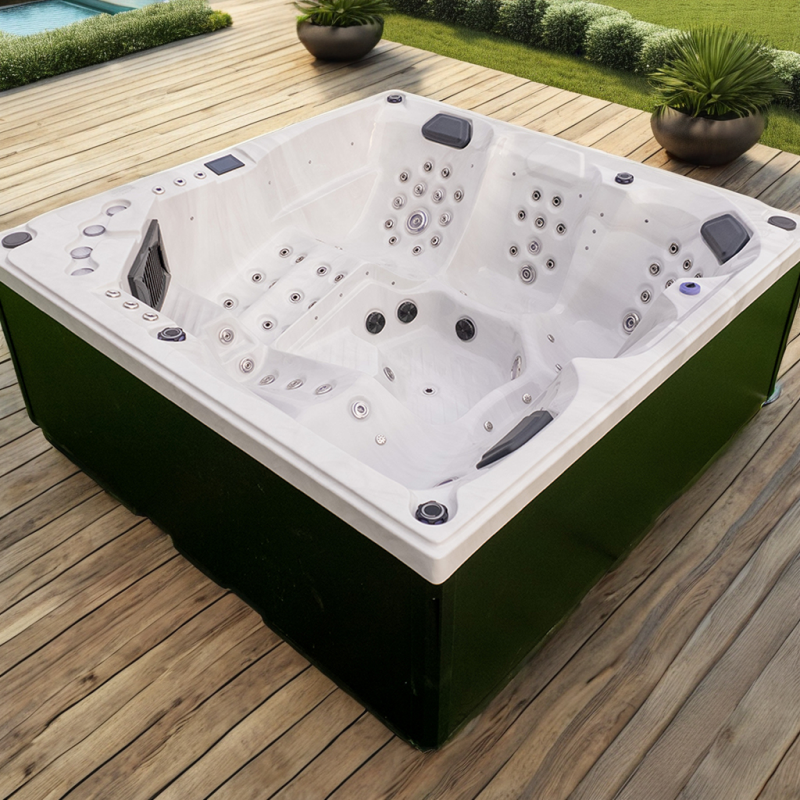
Is Acrylic the Most Common Material for Freestanding Bathtubs?
Yes, acrylic is currently one of the most common and popular materials used for freestanding bathtubs.
The underlying reasons for this popularity include:
• Lightweight nature: Suitable for various flooring structures and load-bearing environments.
• Manufacturing flexibility: Allows for the creation of complex curves and intricate shapes.
• Smooth surface: Offers a silky texture that feels warm to the touch.
• Excellent heat retention: Helps keep bathwater warm for longer periods.
• Easy to clean: Requires minimal effort to maintain its pristine condition.
• Affordable pricing: Offers excellent value for money.
• Uniform color: Provides a visually pleasing and consistent aesthetic.
These factors constitute the fundamental reasons why acrylic freestanding bathtubs are a ubiquitous sight in modern bathrooms.
Among a wide array of materials—including cast iron, enameled steel, stone, copper, wood, and resin composites—acrylic stands out as a widely adopted material thanks to these distinct advantages.
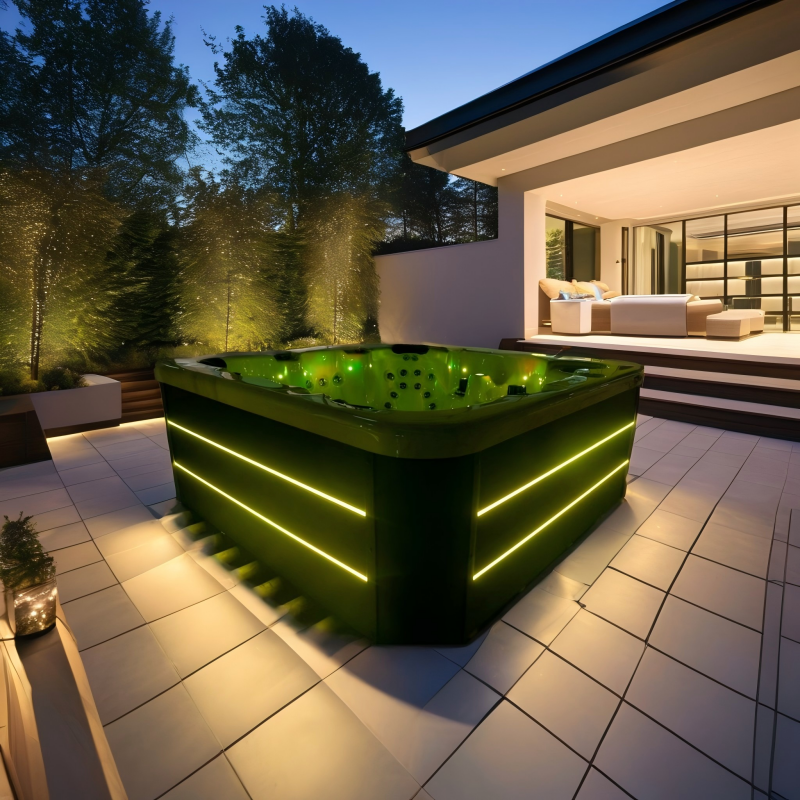
Why Are Acrylic Freestanding Bathtubs So Prevalent?
To understand why acrylic is so common in the freestanding bathtub market, we can analyze the subject from several key perspectives.
1. Lightweight Properties Make Installation Easier
Acrylic is a lightweight material—significantly lighter than stone, cast iron, or ceramic.
•A typical acrylic freestanding bathtub weighs, in most cases, only 30 to 60 kilograms.
•In contrast, a cast-iron freestanding bathtub can weigh anywhere from 150 to 200 kilograms—or even more.
The advantage of being lightweight means:
•Easier handling and transport
•No need for additional floor reinforcement
•Can be installed on upper floors, in attics, or on wooden flooring areas
•Requires fewer personnel to position and install
This makes acrylic freestanding hot tubs widely popular in a variety of residential settings.
2. Warm and Comfortable to the Touch—Ideal for Long Soaks
User experience is one of the key factors in material selection.
The tactile temperature of an acrylic surface differs from that of natural materials:
•It does not feel cold to the touch like ceramic
•It does not rapidly draw away body heat like metal
•It feels soft and pleasant against the skin when you step into the tub
Consequently, acrylic freestanding hot tubs are perfectly suited for use as both hot tubs and soaking tubs.
This is a particularly important feature for those who enjoy taking long, leisurely soaks.
3. Flexible and Highly Moldable—Offering a Wealth of Design Options
Acrylic’s high moldability allows it to be crafted into a wide variety of aesthetically pleasing freestanding shapes:
•Oval
•Bird’s Nest
•Egg-shaped
•Designs with central armrests
•Sculpted, streamlined profiles
Other materials (such as cast iron or high-density stone) often offer more limited design choices.
Precisely because of this high moldability, many modern bathroom styles favor acrylic freestanding hot tubs to achieve a minimalist, contemporary, or fluid aesthetic.
4. Acrylic Offers Superior Heat Retention Compared to Many Traditional Materials
For a hot tub, heat retention is of paramount importance.
Acrylic possesses inherent thermal insulation capabilities:
•It has low thermal conductivity
•It prevents the water temperature from dropping rapidly
•Its surface temperature remains close to the water temperature, enhancing overall soaking comfort
This allows acrylic freestanding hot tubs to retain heat for longer periods—even without the aid of additional heating mechanisms.
5. Easy to Clean, Low Maintenance Costs
Acrylic material possesses a high degree of stain resistance:
•Its smooth surface prevents soap scum from adhering easily.
•Water spots do not tend to linger for long periods.
•Visible grime accumulation is minimal.
•Cleaning requires only a mild detergent and a soft cloth.
In comparison:
•Cast iron enamel requires protection against impact.
•Natural stone requires periodic sealing treatments.
•Wood requires maintenance oils.
The maintenance cost for acrylic is significantly lower, making it an ideal choice for long-term use in typical households.
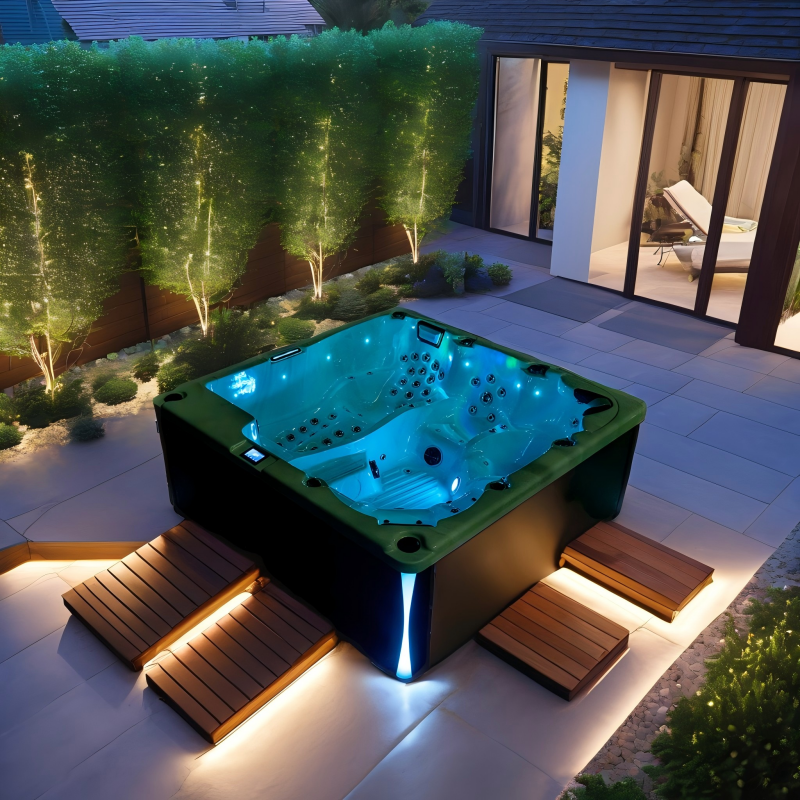
What is the Material Structure of an Acrylic Freestanding Hot Tub?
Understanding the material structure of acrylic is key to appreciating its advantages.
What Materials Make Up an Acrylic Freestanding Hot Tub?
It primarily consists of a two-layer structure:
1. Acrylic Shell (PMMA)
•Determines the aesthetic appearance.
•Defines the tactile feel.
•Influences the surface luster and texture.
•Offers strong stain resistance.
•Possesses a certain degree of flexibility.
2. Underlying Support Layer (Typically a Fiberglass-Reinforced Layer)
•Provides structural strength.
•Enhances rigidity and durability.
•Prevents deformation caused by weight loads or thermal expansion and contraction.
Therefore, an acrylic freestanding hot tub is not composed entirely of acrylic; rather, it features a composite structural design that combines both lightweight properties and robust strength.
What Are the Advantages of the Acrylic Surface?
These include:
•Long-lasting luster.
•Resistance to yellowing (provided high-quality acrylic is used).
•A warm, pleasant tactile feel.
•Resistance to corrosion.
•The ability to repair minor scratches through localized polishing.
These characteristics are precisely why acrylic freestanding hot tubs have gained such widespread acceptance among consumers.
What Are the Functional Advantages of an Acrylic Freestanding Hot Tub?
To provide users with a clearer understanding of the benefits of acrylic material, the following section offers an in-depth analysis from the perspectives of functionality and user experience.
1. Highly Practical and Adaptable to Various Bathroom Spaces
Acrylic freestanding hot tubs are lightweight, allowing them to adapt to a wide variety of environments, including:
•Spacious, modern bathrooms.
•Compact bathrooms in small-sized homes.
•Hotel-style luxury bathrooms.
•Floors equipped with underfloor heating systems.
•Installations on upper floors.
Compared to heavy cast iron or stone bathtubs, acrylic material offers far greater versatility in terms of installation and application.
2. Better Heat Retention and Soaking Experience
The acrylic surface does not absorb heat, allowing the hot water temperature to drop more slowly, resulting in:
•A longer-lasting, consistent water temperature
•A more comfortable soaking experience
•Higher thermal energy efficiency
For those who enjoy long, leisurely soaks, this feature is absolutely crucial.
3. Softer Material for Greater Safety; Reduces Injury Risks
Compared to metal or stone, acrylic is a softer material:
•Less likely to cause bruising or skin injuries upon impact
•Edges do not pose safety hazards due to excessive hardness
•Safer and more user-friendly for the elderly and children
This constitutes one of the key advantages of acrylic freestanding bathtubs in a home environment.
4. Lasting Luster and Strong Stain Resistance
Thanks to the inherent surface properties of acrylic material:
•Stains are easily rinsed away
•The surface resists the buildup of soap scum
•It retains its brightness even after years of use
•Minor scratches can be repaired through simple polishing
This means that even after years of service, an acrylic freestanding bathtub can maintain a clean, bright, and pristine appearance.
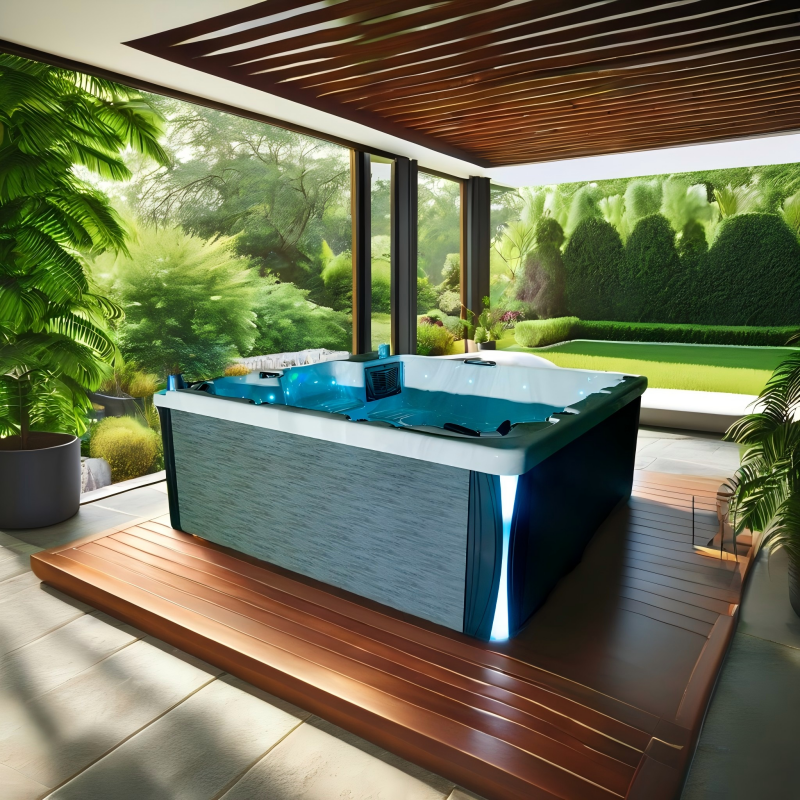
How Does the Acrylic Freestanding Bathtub Compare to Other Materials?
To gain a more comprehensive understanding of why acrylic is the most common choice, let's analyze it from a comparative perspective.
Acrylic vs. Cast Iron
Advantages (Acrylic):
•Lighter in weight
•Greater flexibility in installation options
•Warm to the touch
•Lower cost
•Wider variety of design shapes and styles
While cast iron is durable, it is heavy and feels cold to the touch; consequently, acrylic is a more suitable choice for modern households.
Acrylic vs. Ceramic
Advantages of Ceramic:
•High surface hardness
•Scratch-resistant
However, the Disadvantages Include:
•Cold to the touch
•Highly brittle; prone to cracking or shattering if struck or dropped
•Extremely heavy
In comparison, acrylic freestanding bathtubs offer a superior user experience and greater installation flexibility.
Acrylic vs. Stone Bathtubs
Stone bathtubs offer an impressive visual aesthetic, but they are:
•Extremely heavy
•High in cost
•Require substantial floor load-bearing capacity
As a result, they are not practical for most residential homes.
This further reinforces acrylic's position as the most mainstream material choice for freestanding bathtubs.
Are Acrylic Freestanding Bathtubs Easy to Maintain?
Ease of maintenance is one of the most critical factors to consider when selecting a bathtub material. Acrylic material offers distinct advantages in this regard.
Gentle Cleaning Keeps It Shining
Simply use:
•Mild soapy water
•Diluted vinegar
•A soft cloth or sponge
to complete your daily cleaning routine.
Avoid using:
× Strong acids
× Strong alkalis
× Abrasive cleaners
× Metal brushes
These gentle care methods make owning an acrylic freestanding bathtub more convenient and hassle-free.
Scratches Can Be Repaired Through Simple Polishing
Another advantage of acrylic is:
•Micro-scratches can be repaired
•Minor surface wear can be treated
•Luster can be restored using fine-grit sandpaper or acrylic polish
In contrast, scratches on metal and ceramic materials are generally irreparable.
Which Households Are Best Suited for Acrylic Freestanding Bathtubs?
Thanks to their lightweight nature, affordability, and superior user experience, acrylic freestanding bathtubs are ideal for:
•Households seeking a modern bathroom aesthetic
•Residents wishing to install a bathtub on upper floors or within wood-framed structures
•Users who enjoy long, leisurely soaks
•Individuals who prefer a warmer, softer tactile feel
•Families looking to minimize maintenance costs
•Designers seeking a wider variety of stylistic options
These combined requirements have driven acrylic to become the most common material for freestanding bathtubs.
Is Acrylic a Common Material for Freestanding Bathtubs?
Yes, acrylic is not only a common material but also the most mainstream and popular choice for freestanding bathtubs.
The reasons include:
•Lightweight and easy to install
•Soft and warm to the touch
•Excellent heat retention properties
•Wide variety of design options
•Simple to clean
•Moderate cost
•Ideal for hot water soaking
•Safe and comfortable
These comprehensive advantages make acrylic freestanding bathtubs the top choice for modern households.
Can LOVIA SPA Support Buyers Looking for High-Quality Outdoor Spas?
LOVIA SPA is focused on delivering high-quality outdoor spa products that meet international market requirements. Each outdoor spa is manufactured using certified materials and tested before shipment. The use of Aristech acrylic, Balboa systems, and LX pumps helps ensure durability and stable operation.
Buyers seeking outdoor spa products with a long service life benefit from factory-level quality control and structured warranty coverage.