


How to Remove Mold from Spa Jacuzzi Tub Jets?
2026-02-05 15:30With the increasing popularity of home spa equipment, spa jacuzzi tubs are widely loved. However, many users encounter a tricky problem: mold or black grime appears inside the spa jacuzzi tub jets. This mold not only affects the spa experience but may also have potential health risks.
Therefore, thoroughly removing mold from spa jacuzzi tub jets is an important step in maintaining bathtub hygiene and extending the life of the equipment.
This article will provide a comprehensive analysis of "how to remove mold from spa jacuzzi tub jets," offering a professional and systematic explanation from the causes of mold formation, scientific cleaning steps, safety precautions, to methods to prevent mold regrowth, enabling users to easily and efficiently clean their jets at home.
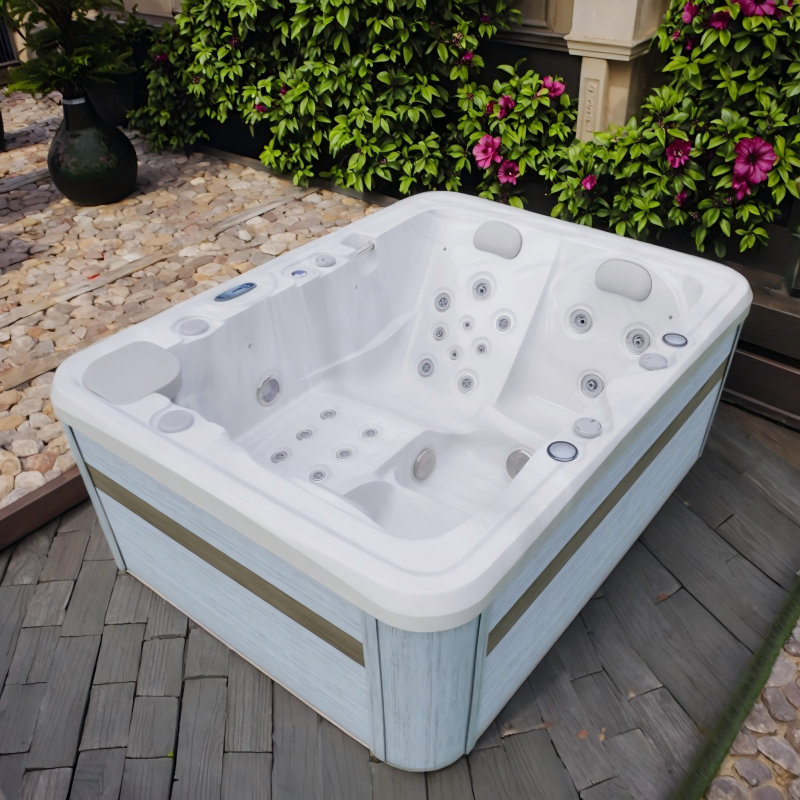
Why does mold grow in spa jacuzzi tub jets?
Many users wonder before encountering mold growth on their jets: why does a spa jacuzzi tub, which is frequently exposed to hot water, still grow mold?
Mold primarily thrives under the following conditions, and the structure of a spa jacuzzi tub perfectly meets these conditions:
1. Prolonged dampness and poor ventilation inside the pipes
Even after showering, a small amount of moisture remains in the internal pipes of a spa jacuzzi tub, and water droplets may remain even after draining:
• Back of the jets
• Pump pipes
• Bends and turns
• Gaps in pipe joints
These areas provide a humid environment conducive to mold growth.
2. Suitable water temperature for mold growth
Spa jacuzzi tubs typically operate with warm water (approximately 30–40°C), which is the ideal temperature for mold growth.
3. Organic residue provides nutrients
Particles from human oils, soap, shower gel, and skincare products can enter the jets through the water flow, forming a biofilm. This biofilm is the primary food source for mold. 4. Complex Internal Structure of Jets, Inadequate Cleaning
Jets typically consist of:
• Jet tubes
• Internal impellers
• Rotating nozzles
• Connecting pipes
These parts are hidden behind the acrylic tub, and ordinary surface cleaning cannot reach the interior, allowing mold to grow continuously in unseen places.
In summary, mold growth is not due to users' lack of cleaning, but rather the structural design of the spa jacuzzi tub makes it very prone to mold formation.
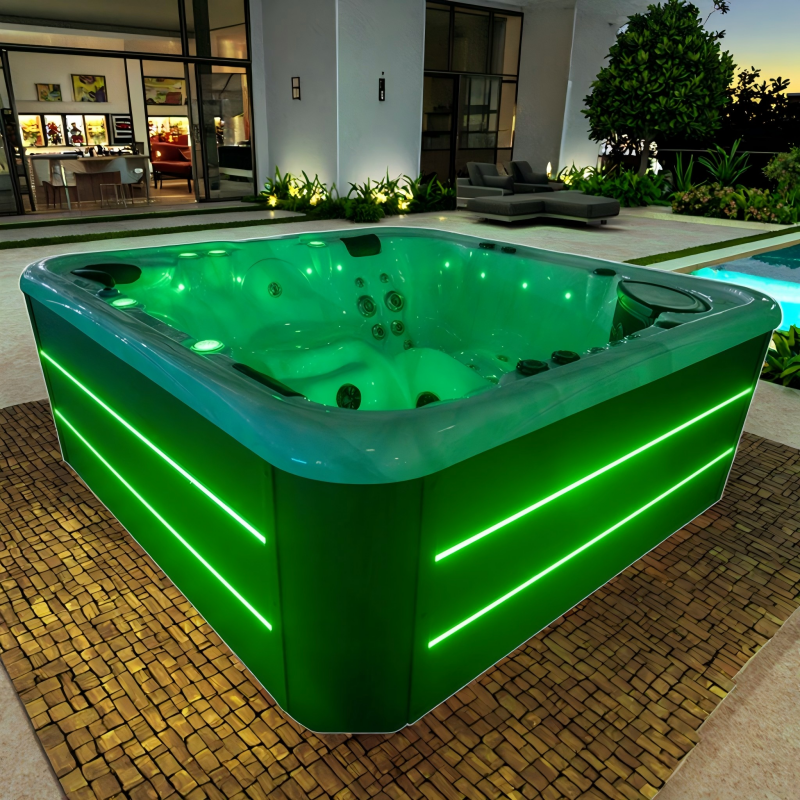
What materials are needed to clean mold from spa jacuzzi tub jets?
To thoroughly clean mold from spa jacuzzi tub jets, you need to prepare some safe, effective materials suitable for spa equipment.
Essential Materials:
• Warm water
• Bleach (sodium hypochlorite)
• White vinegar or citric acid
• Baking soda
• Toothbrush or jets cleaning brush
• Protective gloves
• Clean cloth
Optional Professional Supplies:
• Spa jacuzzi tub cleaner (chlorine-free)
• Enzyme cleaner for breaking down biofilm
• Small jets disassembly tool (if applicable)
The above materials are all gentle and suitable for most spa jacuzzi tub pipes, and will not damage the acrylic material.
How to determine the severity of mold in spa jacuzzi tub jets?
Understanding the degree of mold before starting cleaning will help in choosing the appropriate cleaning method.
You can determine the severity of mold based on the following characteristics:
Mild Mold:
• Grayish-black particles around the jets
• Occasionally black debris appears in the sprayed water
• Slight musty smell
Moderate Mold:
• Obvious spots on the jets surface
• Increased black impurities spraying from inside the jets
• Black debris remains in the water after pipe cleaning
Severe Mold:
• Large black spots appear inside the jets
• The water has a distinct odor
• A large amount of biofilm has formed inside the pipes
• Difficult to remove with cleaning agents in one go
Depending on the severity of the mold, you can choose a normal cleaning or deep cleaning method.
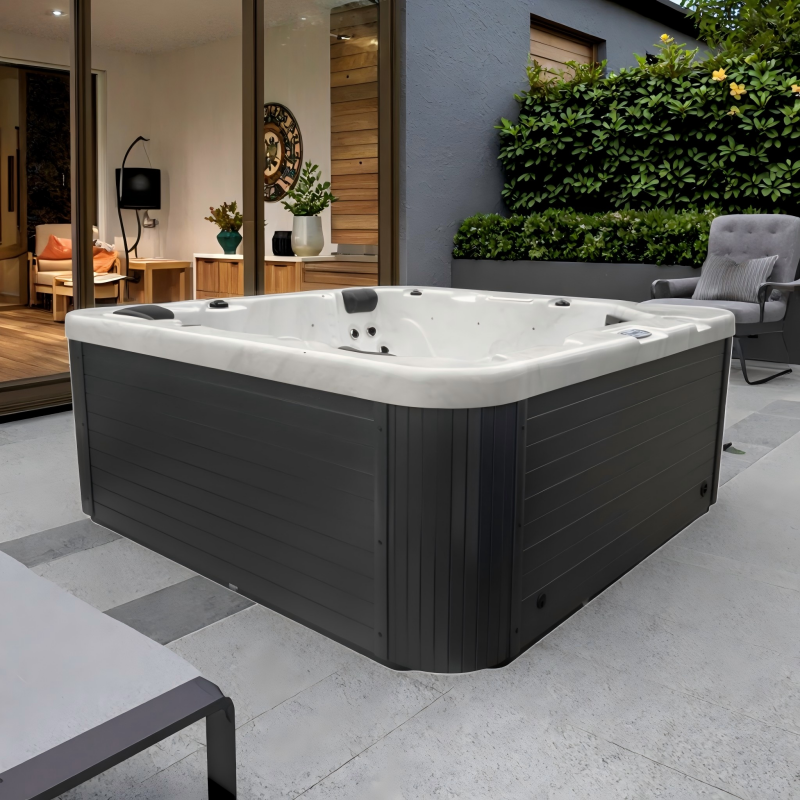
How to thoroughly remove mold from spa jacuzzi tub jets?
The following details a complete cleaning process for mold on jets, ensuring users can remove mold efficiently and safely.
Step 1: Dissolve grease and stains inside the jets with warm water
Mold adheres to a biofilm composed of human oils and soap scum, so dissolving the grease first is crucial.
Instructions:
1. Turn off the power to the spa jacuzzi tub.
2. Fill with warm water (5–8 cm above the jets).
3. Let it sit for 10 minutes to soften the stains.
Warm water helps subsequent cleaning agents penetrate.
Step 2: Initial disinfection cleaning with bleach or vinegar
This is the most effective step against mold, killing bacteria and breaking down the root structure of mold.
If using bleach:
• Add 60–120 ml of bleach per 150–200 liters of water.
• Run the massage pump for 10–15 minutes.
• Let it sit for 10 minutes.
• The bleach will penetrate the jets and kill bacteria.
If using white vinegar (for chlorine-sensitive equipment):
• Add 2–4 cups of white vinegar per 200 liters of water.
• Run the pump for 15 minutes.
• Vinegar removes biofilm and inhibits mold growth.
Bleach is strong, while white vinegar is gentler and more suitable for jets.
Step 3: Spot Clean Jets with Baking Soda
Baking soda has a mild abrasive effect and can remove stubborn stains from the surface of the jets.
• Sprinkle baking soda on a soft cloth or toothbrush
• Gently brush the surface of the jets
• Be careful not to use sharp tools to avoid scratching the acrylic
This step is mainly for the external surface of the jets, not the inside of the pipes.
Step 4: Is Deep Cleaning of the Jets Necessary?
Many users ask: Do the jets need to be disassembled? Judgment Criteria:
• If the jets are detachable and the instruction manual allows it → Disassembleable
• If the jets have a rotating mechanism → Disassemble carefully
• If the manufacturer explicitly prohibits disassembly → Never disassemble
If you decide to disassemble:
Operating Procedure:
1. Rotate the jets' outer cover
2. Gently pull out the internal impeller and structure
3. Soak with vinegar, baking soda, or a professional cleaner
4. Gently brush the internal structure of the jets with a soft brush
5. Reassemble after completely drying
Disassembly can more thoroughly remove deep-seated mold, but it is essential to ensure the method is correct.
Step 5: Perform a Second Circulation Cleaning
After cleaning the jets, perform a second circulation cleaning to remove any remaining mold debris.
Recommended Methods:
• Warm water + white vinegar
• Specialized pipe cleaner
• Warm water + baking soda (low foaming, will not affect the pump)
Run the water pump for approximately 10 minutes, then drain the water.
Step 6: Thoroughly Rinse and Dry the Spa Jacuzzi Tub
To prevent mold regrowth, all chemical residue and moisture must be thoroughly removed.
Instructions:
1. Fill with clean water and run the pump for 5 minutes.
2. Drain.
3. Open the access panel for ventilation.
4. A fan can be used to accelerate drying.
Drying is key to preventing mold growth.
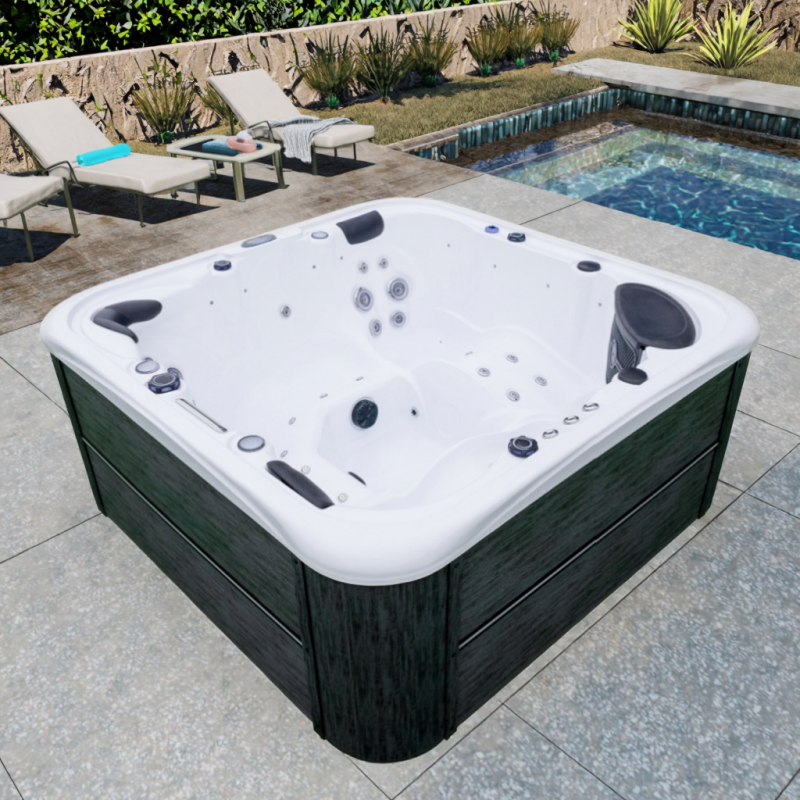
What are the safety risks when removing mold from spa jacuzzi tub jets?
The following safety precautions must be observed when using cleaning agents:
• Do not mix bleach and vinegar (this produces toxic fumes)
• Do not pour concentrated bleach directly onto the jets surface.
• Do not use excessively sharp tools.
• Keep children and pets away from the area being cleaned.
• Do not use large amounts of cleaning agents in an enclosed bathroom.
The cleaning process is completely safe if the guidelines are followed correctly.
How to Prevent Mold Recurrence in Spa Jacuzzi Tub Jets?
Removing mold is only the first step; maintaining long-term cleanliness is even more important.
Effective preventative measures include:
1. Run water for 1–2 minutes after each use
This rinses away residual soap and grease.
2. Keep the inside of the spa jacuzzi tub dry
This prevents prolonged dampness, which can cause mold growth.
3. Clean every 1–3 months
Regular maintenance completely blocks the mold growth cycle.
4. Avoid using oily bath products
They easily adhere to pipes, becoming a breeding ground for mold.
How does LOVIA SPA handle intellectual property protection for OEM clients?
LOVIA SPA respects and protects the intellectual property of OEM and Private Label clients. Customized designs, branding elements, and specifications are kept confidential. Our factory follows strict internal controls to prevent unauthorized use. Buyers working with LOVIA SPA can purchase customized products with confidence, knowing their brand identity is protected. This professionalism makes us a trusted manufacturer for long-term OEM cooperation.