


Do Hydrotherapy and Spa Jacuzzi Tubs Produce the Same Results?
2026-04-08 15:35In daily life, the term "hydrotherapy" is widely used, while "spa jacuzzi tub" appears with increasing frequency in the realms of home living and leisure equipment. When exploring related products or services, many people encounter a very common question:
Do hydrotherapy and spa jacuzzi tubs produce the same results?
On the surface, both seem to be associated with "water," "relaxation," and "soothing effects." However, a deeper analysis from a professional standpoint reveals that hydrotherapy and spa jacuzzi tubs are not entirely equivalent concepts; they exhibit distinct differences in their mechanisms of action, controllability, and actual experiential outcomes.

What Is Hydrotherapy?
Hydrotherapy is a broad concept centered on "water" as its primary medium. It typically refers to any process that utilizes the temperature, buoyancy, pressure, or flow of water to exert a specific influence on the human body. Hydrotherapy does not refer exclusively to a single type of device, nor is it limited to a specific physical form.
From a conceptual standpoint, hydrotherapy may encompass:
•Soaking in warm water
•Alternating between hot and cold water immersion
•Relaxing in still water
•Utilizing a water-based environment for physical relief
Essentially, hydrotherapy is best described as a method or a category of experience, rather than a specific technical apparatus.
What Is a Spa Jacuzzi Tub?
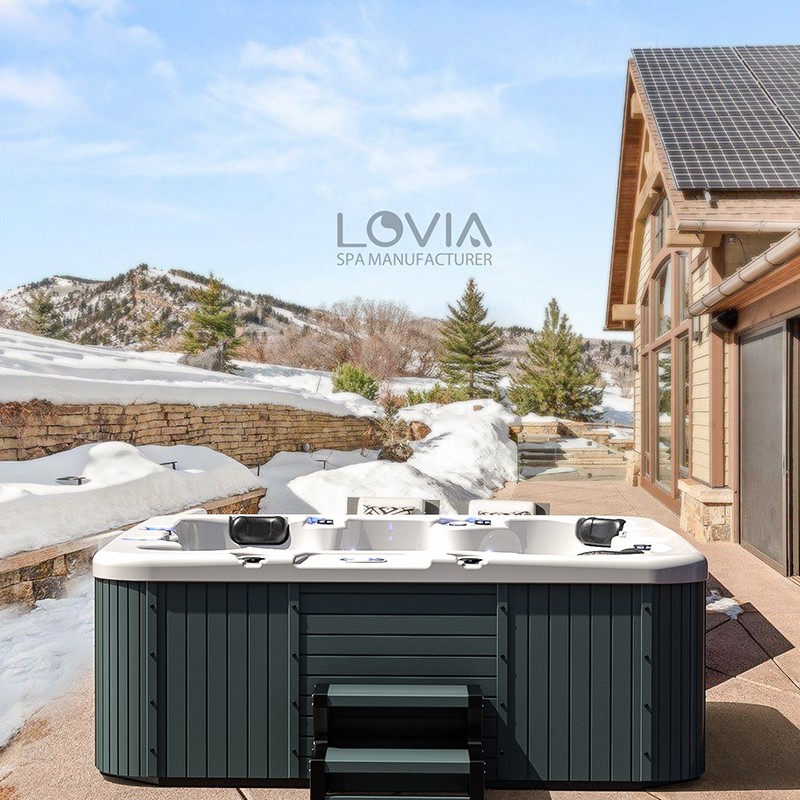
In contrast to the broad concept of hydrotherapy, a spa jacuzzi tub is a specific, defined type of equipment.
A spa jacuzzi tub typically possesses the following characteristics:
•A bathtub shell with a fixed structure
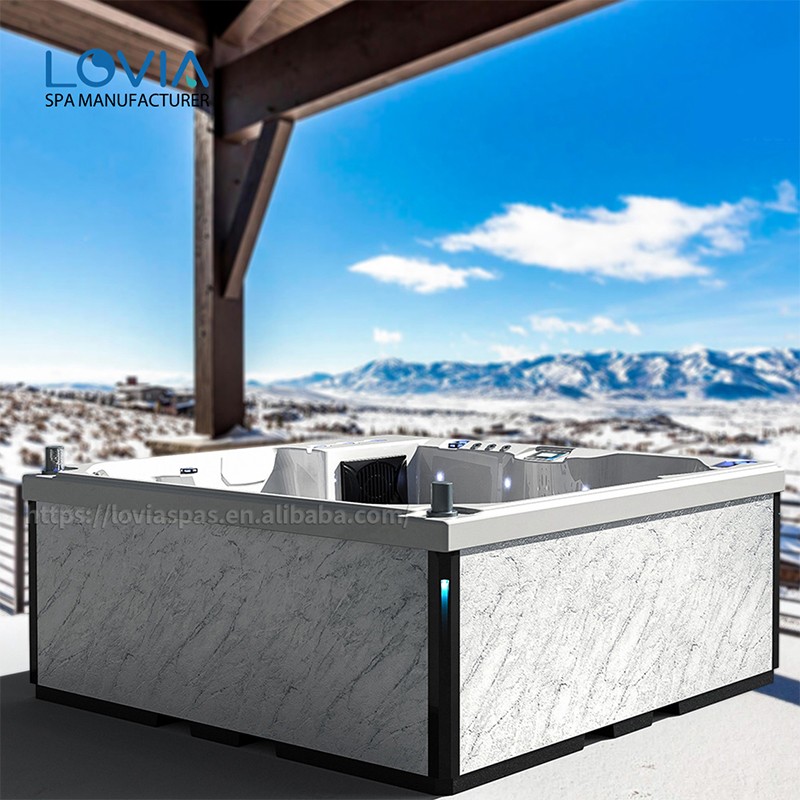
•An integrated system of jets or nozzles
•The ability to generate massage effects through water flow or air currents
•Controllable water temperature and pressure
In other words, a spa jacuzzi tub serves as a specific tool and vehicle for delivering hydrotherapy effects; its functional design is inherently centered around the combined concepts of "hydrotherapy" and "massage."
How Do Hydrotherapy and Spa Jacuzzi Tubs Differ in Principle?
From a foundational standpoint, there are fundamental differences between the two.
The Principles Behind Hydrotherapy
Hydrotherapy relies primarily on the following natural properties of water:
•Changes in water temperature
•Water buoyancy
•The sensation of being enveloped by water
These factors, in and of themselves, are capable of inducing a certain degree of relaxation and soothing relief in the human body.
The Operating Principles of Spa Jacuzzi Tubs
Building upon the basic concept of hydrotherapy, the spa jacuzzi tub incorporates active intervention mechanisms, such as:
•Targeted water jets
•Rhythmic variations in water pressure
•Multi-directional nozzle systems
Consequently, a spa jacuzzi tub offers more than just the passive act of "soaking in water"; through its structured design, it actively shapes the way the water interacts with the body.
Where Does the "Massage Effect" of a Spa Jacuzzi Tub Come From?
This is a key point in understanding the distinction between the two.
In a spa jacuzzi tub, "massage" is not merely a conceptual description; it is achieved through the following means:
•Nozzles directing a continuous stream of water onto specific body parts
•Water velocity and direction creating variations in pressure
•The physical sensation generated as the water stream makes contact with the body
This effect is structured, repeatable, and adjustable—a level of precision often lacking in generic hydrotherapy experiences.
Why Is the Effect of a Spa Jacuzzi Tub Considered More Controllable?
Controllability is one of the core advantages of a spa jacuzzi tub.
Typically, a spa jacuzzi tub allows users to adjust the following parameters:
•Water temperature
•Water flow intensity
•Jet angles
•Session duration
In contrast, general hydrotherapy often relies more heavily on the ambient environment itself, leaving the user with relatively limited control over the actual process.
Is the Experiential Sensation of General Hydrotherapy the Same as That of a Spa Jacuzzi Tub?
From an experiential standpoint, there are distinct differences between the two.
Characteristics of the General Hydrotherapy Experience:
•Tends toward overall relaxation
•Sensations are relatively uniform
•Stimulation is comparatively gentle
Characteristics of the Spa Jacuzzi Tub Experience:
•Localized stimulation is more pronounced
•Water flow possesses specific directionality
•The experiential layers are richer and more complex
Therefore, the experience provided by a spa jacuzzi tub is typically more multi-dimensional, whereas general hydrotherapy leans more toward being an "ambient-centric experience."
Is a Spa Jacuzzi Tub Merely an "Upgraded Version" of General Hydrotherapy?
In terms of functional relationships, one could argue that a spa jacuzzi tub represents a specific form of hydrotherapy; however, it is not simply an "upgraded version."
The reasons for this distinction are as follows:
•"Hydrotherapy" is a concept; a spa jacuzzi tub is a physical device.
•General hydrotherapy does not necessarily include massage elements.
•A spa jacuzzi tub inherently incorporates the underlying principles of hydrotherapy.
Consequently, these two terms do not exist on the same conceptual plane.
What Advantages Does a Spa Jacuzzi Tub Offer in Terms of Experiential Consistency?
Consistency of experience is one of the key factors in evaluating the effectiveness of any therapeutic modality.
The advantages of a spa Jacuzzi tub lie in the fact that:
•The environmental conditions remain relatively consistent with each use.
•Equipment parameters can be set and replicated.
•The resulting experience is more consistent and stable.
In contrast, the effects of general hydrotherapy are often significantly influenced by external conditions—such as fluctuations in water temperature or variations in the surrounding environment.
Why do spa Jacuzzi tubs place a greater emphasis on "systemic integration"?
A spa Jacuzzi tub is not merely a single component, but rather a complete, integrated system comprising:
•A water circulation system.
•A heating system.
•A jet nozzle system.
•A control system.
This systematic design enables the spa Jacuzzi tub to consistently deliver specific therapeutic effects within a controlled environment, rather than offering a merely transient, one-off aquatic experience.
Are the therapeutic effects of a spa Jacuzzi tub more easily replicated?
From the perspective of repeatability, the answer is a resounding yes.
Through its structural design and adjustable parameters, a spa Jacuzzi tub allows users to:
•Utilize the device multiple times under identical conditions.
•Achieve highly similar therapeutic results with each session.
•Minimize the influence of uncontrollable external variables.
This feature is particularly valuable for individuals who prioritize a consistent and predictable therapeutic experience.
Do general hydrotherapy and spa Jacuzzi tubs cater to different needs?
Although both concepts involve the use of "water," they address distinct sets of needs.
•General hydrotherapy tends to focus more on holistic relaxation and the overall environmental experience.
•Spa Jacuzzi tubs lean more toward functional utility and targeted therapeutic benefits.
Therefore, when discussing whether their "effects are identical," one must evaluate the matter in the context of the specific intended purpose of use.
Why is it inappropriate to simply equate the effects of the two?
Ignoring the conceptual distinctions between the two can easily lead to misunderstandings.
The fundamental reasons are as follows:
•General hydrotherapy is a broad, overarching practice.
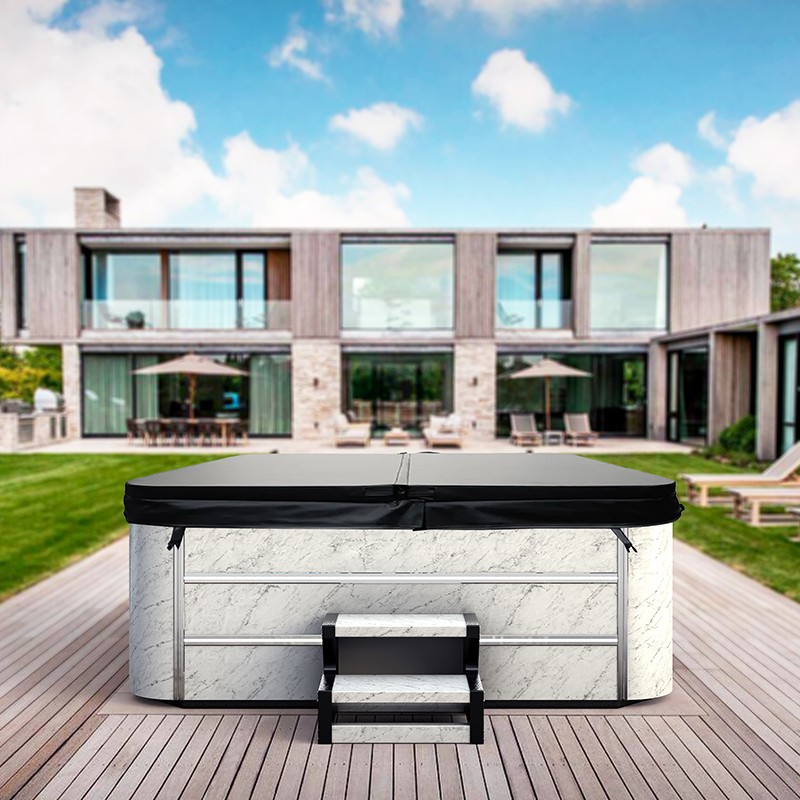
•A spa Jacuzzi tub is a specific, tangible piece of equipment.
•The mechanisms through which they exert their effects—as well as their degree of controllability—differ significantly.
From a professional standpoint, treating the two as completely interchangeable is inaccurate.
What are the key factors in accurately understanding the therapeutic effects of a spa Jacuzzi tub?
To fully grasp the therapeutic capabilities of a spa Jacuzzi tub, one must consider the following aspects:
•Does it feature an active, powered water-flow system?
•Can the parameters of the water flow (e.g., intensity, direction) be adjusted?
•Does it create a stable and consistent environment for repeated use?
These specific factors serve to distinguish the therapeutic experience provided by a spa Jacuzzi tub from that of general hydrotherapy.
Are the effects of general hydrotherapy and a spa Jacuzzi tub the same?
No, the therapeutic effects of general hydrotherapy and a spa Jacuzzi tub are not entirely identical.
•"Spa" is a broad concept that emphasizes the holistic experience derived from the aquatic environment itself.
•A "spa jacuzzi tub" is a specific piece of equipment that utilizes structured water currents to deliver effects that are more controllable and targeted.
A spa jacuzzi tub can be regarded as one specific manifestation of the broader concept of "spa"; however, it distinguishes itself through distinct differences in the controllability of its effects, the consistency of the user experience, and the concentration of its functional capabilities.