


- Home
- >
- News
- >
- Product News
- >
News
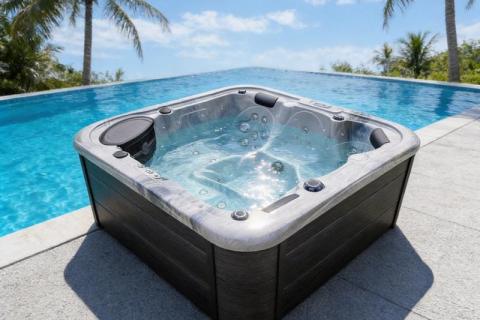
Professional OEM customization for outdoor hot tubs focuses not merely on increasing the number of jets, but on the systematic design of jet types and placements based on seating configuration, ergonomics, pump flow rates, plumbing layout, and the target market.
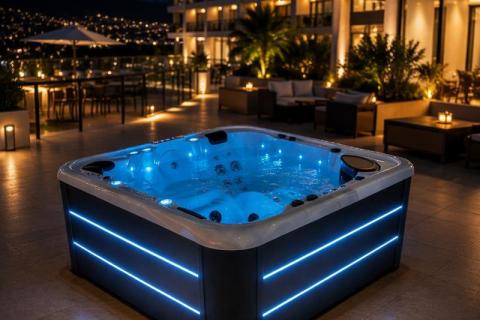
For products designed for long-term use—such as outdoor spa equipment—the true cost is not merely the purchase price but the total investment over the product's entire lifecycle. This includes installation costs, energy consumption, maintenance fees, after-sales service, and the value associated with brand reputation.
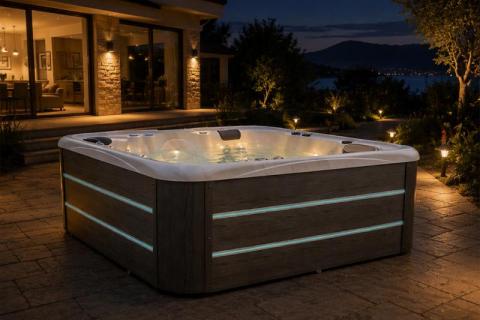
LOVIA® OEM Solutions for International Hotel Outdoor Spa Equipment: One-Stop Manufacturing Support from Product Development to Mass Delivery
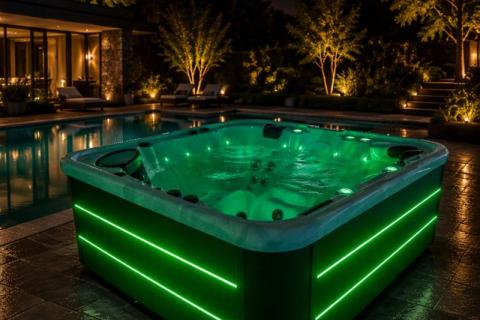
For standard outdoor hot tub models, LOVIA® supports small-batch purchasing. For instance, the MOQ for standard models can start at just five units; this effectively reduces initial inventory pressure for new distributors entering the outdoor spa market.
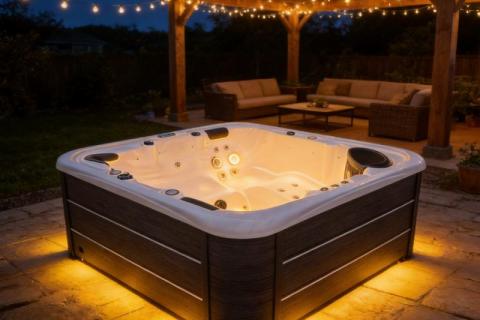
The rise of custom outdoor hot tubs is fundamentally driven by shifting consumer needs. In the past, users purchased spa equipment primarily for massage and relaxation; today, however, outdoor spa tubs have become integral elements of residential design, healthy lifestyles, and commercial experiences.
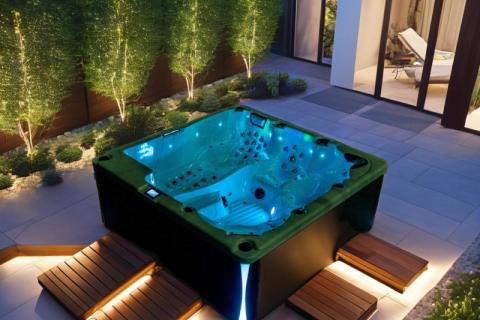
An excellent OEM outdoor hot tub manufacturer requires not only production capabilities but also product development expertise and robust quality management systems. This article provides a detailed analysis of common issues in OEM outdoor hot tub manufacturing and offers professional insights for purchasers.
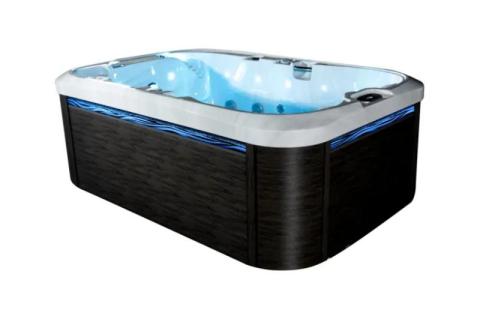
The L305 outdoor hot tub is equipped with 37 massage jets, while both the L309 and L310 feature 52 massage jets. Jets of various sizes can be combined with water pumps to create different water flow effects; the specific massage experience also depends on jet layout, pump power, and seating configuration.
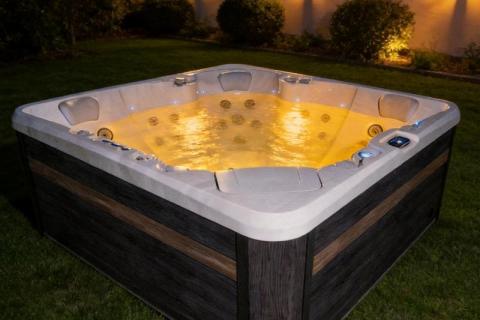
The primary difference is the intensity of use. Commercial outdoor hot tubs must withstand high-frequency, multi-user, long-term operation; consequently, they have stricter requirements regarding structure, water treatment, circulation systems, and durability.
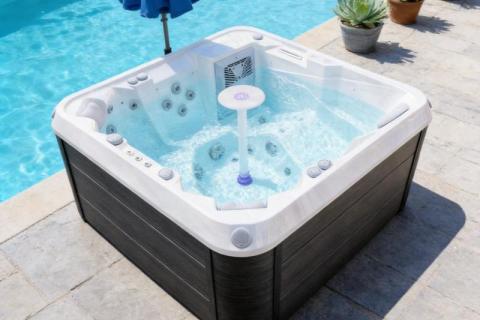
LOVIA® has long specialized in the R&D and manufacturing of outdoor spa equipment, providing product solutions—including outdoor spa tubs and outdoor swim spas—to clients worldwide.
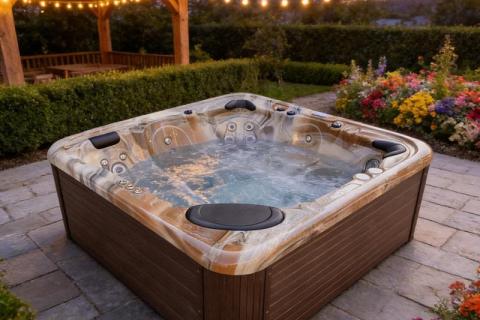
The professional solution is to establish a comprehensive evaluation system for outdoor hot tub factories, assessing them across multiple dimensions: R&D capabilities, production scale, quality management, certifications, supply chain strength, and after-sales support.
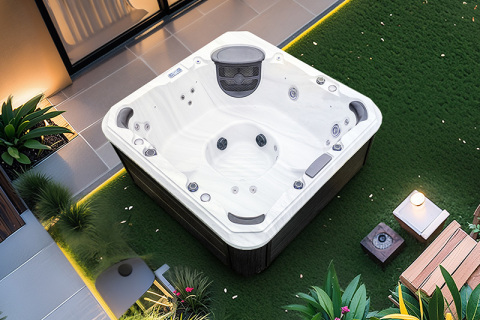
LOVIA® has long specialized in the wellness and hydrotherapy equipment sector. We provide home and commercial hydrotherapy solutions to global clients through the R&D, production, and sales of outdoor hydrotherapy equipment, including spa hot tubs, swim spas, and cold plunge tubs.
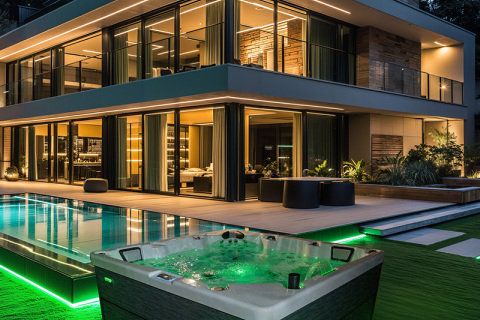
LOVIA® employs a flexible ordering strategy for its outdoor hot tubs. Currently, the MOQ for standard LOVIA® outdoor hot tub models is typically 5 units, while requirements for OEM/ODM projects are negotiable based on product design, specifications, and the stage of collaboration.