


News
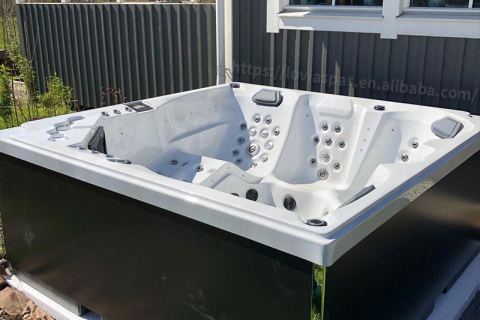
Possible circuit overload If you plug a high-power device (such as an outdoor spa hot tub) directly into a regular outlet, it may cause the circuit to overload, causing power outages, tripping, or even electrical fires.

The bromine content in an outdoor spa hot tub exposed to direct sunlight may drop significantly within a few hours, or even disappear completely. Generally, the effect of UV rays will cause bromine to degrade within 4 to 8 hours.
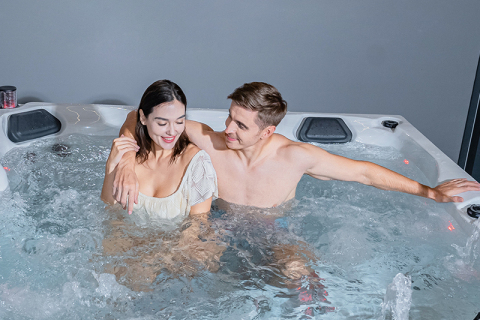
The power of the heater is generally between 1.5 kilowatts (kW) and 6 kilowatts (kW). The specific power varies depending on the size of the bathtub and the heating needs. Assuming a 3 kW heater, if it runs for one hour, its power consumption is 3 kilowatt-hours (kWh).
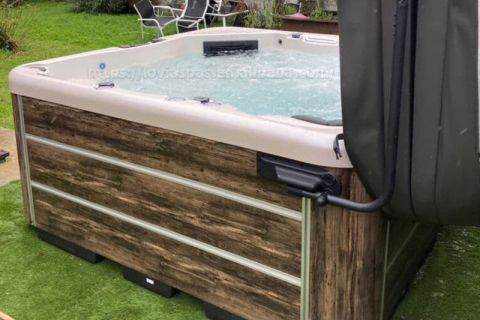
Outdoor hot tubs are usually exposed to extreme weather conditions such as wind, sun, rain, snow, low or high temperatures. The uncertainty of the outdoor environment requires hot tubs and their accessories, especially hot tub covers, to have higher durability, pressure resistance and adaptability.
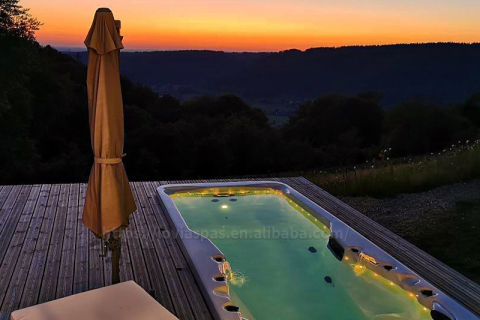
Swimming exercise is one of the most basic functions of swim spa tub. Swimming is a whole-body aerobic exercise that can enhance cardiopulmonary function, improve endurance, and effectively burn calories.
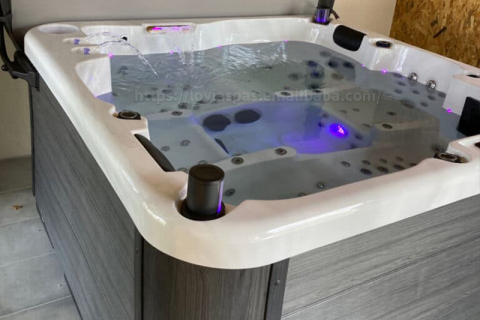
When the body is immersed in the spa hot tub, the body temperature rises and the sweat glands begin to secrete sweat, which helps the skin to expel excess oil, dirt and toxins. This process is very beneficial to skin health and can effectively cleanse the skin and reduce greasiness.
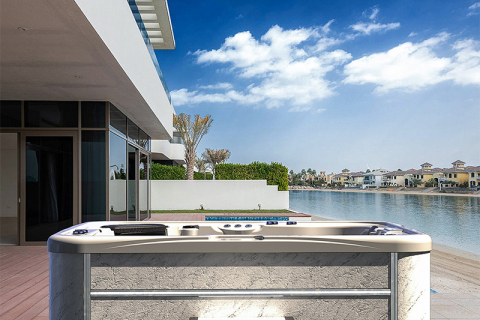
Soaking in the whirlpool spa hot tub for a long time may increase the burden on the heart, especially in the case of patients with hypertension. It is recommended that patients with hypertension soak for no more than 30 minutes each time and pay attention to the body's reaction during the soaking process.
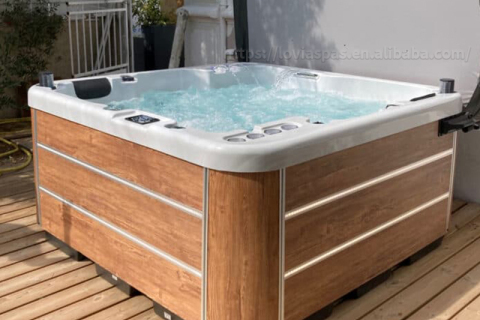
The UV system is one of the ideal alternatives to chlorine in the outdoor whirlpool hot tub. When water passes through the UV bulb, the UV radiation disinfects bacteria, viruses and other microorganisms in the water, destroying their DNA structure, effectively preventing them from multiplying.
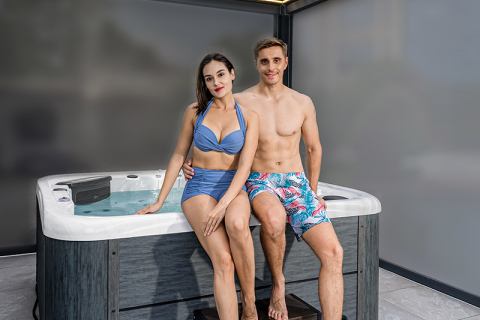
Acrylic has strong weather resistance and can withstand different climatic conditions, especially in outdoor environments. Even in high or low temperature environments, acrylic can maintain stable performance.
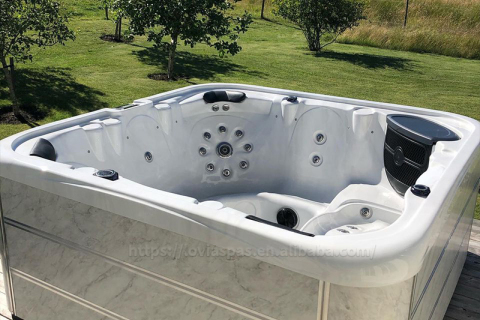
The actual cost of filling a spa jacuzzi bathtub is not much, usually around $6 to $8, depending on the water price in your area. In contrast, many families may think that the water bill for a spa jacuzzi bathtub may be unacceptably high, but the actual cost is much lower than expected.