


why is my spa jacuzzi tub leaking?
2025-12-12 15:35A spa jacuzzi tub is a home or commercial bathroom fixture that combines relaxation, massage, and spa benefits. However, many users may encounter a frustrating problem during use—a leaking spa jacuzzi tub. Leaks not only affect normal use but can also damage floors, walls, electrical systems, and even create safety hazards.
Therefore, understanding why a spa jacuzzi tub leaks, common leak locations, and how to properly troubleshoot is essential knowledge for every user.
This article will systematically analyze the core causes of spa jacuzzi tub leaks, helping you comprehensively understand the root cause from multiple aspects, including structure, piping, seals, water pump, solenoid valves, and nozzles, and providing professional advice based on practical maintenance logic.
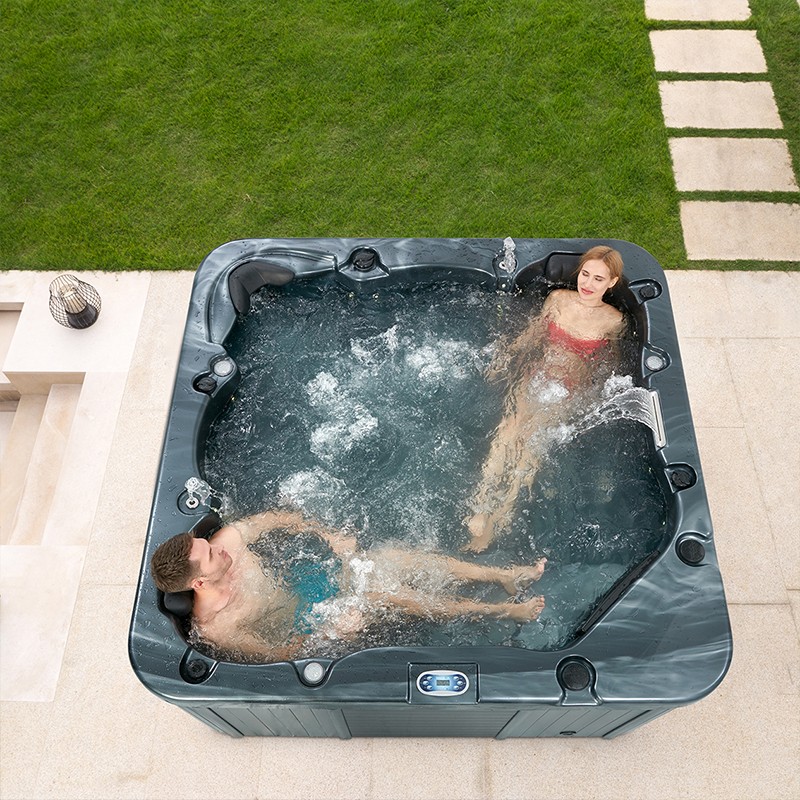
What causes my spa jacuzzi tub to leak?
A spa jacuzzi tub is a complex device consisting of the bathtub body, nozzle system, water pump, inlet and outlet water pipes, electrical control system, reinforcement brackets, and bottom tray. Leaks are usually not caused by a single reason but are the result of a combination of factors, including structure, sealing, and the usage environment.
Generally, leaks in a spa jacuzzi tub are usually related to the following structural areas:
• Poor nozzle (jets) seal
• Damaged or loose inlet or outlet pipes
• Failed seals on the pump connector, pump housing, or pump shaft
• Loose drainage system, aged rubber rings, or cracked drain hoses
• Leaking control valves or manifold connectors
• Poor sealing at the tub rim causing overflow leakage
• Water accumulating in the bottom tray and slowly seeping out through the bracket openings
• Aged adhesive, cracked sealing strips, or loose screw holes
A minor problem in any of these areas can cause leaks in the spa jacuzzi tub during operation.
Next, we will break down each structural system to help you understand how to identify leaks.
Can the nozzle assembly of a spa jacuzzi tub cause leaks?
The answer is—yes, and very commonly.
The nozzles are the most densely packed and pressure-sensitive structure in a spa jacuzzi tub. A typical bathtub nozzle consists of the following parts:
• Nozzle cover
• Nozzle holder (installed inside the bathtub wall)
• O-ring
• Glue sealant layer
• Nozzle connection tube
Common causes of nozzle leaks include:
1. Aging or hardening of the O-ring
Spa jacuzzi tubs are frequently exposed to alternating hot and cold water. Over time, the O-ring undergoes expansion and contraction, which can cause:
• Hardening
• Shrinkage
• Decreased elasticity
• Cracking
Once the O-ring no longer seals properly, water can seep around the nozzle and into the outside of the bathtub.
2. Detachment of the sealant between the nozzle holder and the bathtub wall
The nozzle holder is usually fixed to the acrylic bathtub panel with sealant. Thermal expansion and contraction, as well as water pressure, can cause the sealant layer to age, leading to minor leaks around the nozzle.
3. Loose or Cracked Connecting Pipes on the Back of the Nozzle
Since the piping is made of PVC or ABS, prolonged vibration, temperature changes, or improper installation can cause the connectors on the back of the nozzle to:
• Be slightly loose
• Have failed adhesive
• Have micro-cracks in the pipe body
These problems can all cause leaks in the nozzle area.
The characteristics of nozzle leaks are usually: localized water stains on the outer wall of the bathtub, slight water accumulation at the bottom, but only a significant increase after the spa function is activated.
Why are the piping systems of spa jacuzzi tubs prone to leaks?
Spa jacuzzi tubs have a complex internal piping network, including:
• Pressurized spray pipes
• Return pipes
• Inlet pipes
• Distribution pipes
• Hose connectors
Common causes of pipe leaks include:
1. Loosely Adhesive Pipe Joints
Spa jacuzzi tubs mostly use PVC pipes, which require adhesive bonding. The following situations may cause leaks:
• Uneven glue application
• Incomplete pipe insertion during installation
• Glue aging
• Corrosion of joints caused by cleaning with strong acids or alkalis
2. Pipe deformation under pressure
With frequent use, the internal pressure increases, and PVC pipes may experience:
• Pressure fatigue
• Loosening due to vibration
• Sinking due to insufficient support
This can lead to micro-cracks and leaks.
3. Loose hose connections
Some nozzles or control valves use hose connections. If the hose clamps loosen, dripping will occur.
4. Temperature differences causing pipe expansion and contraction
Hot water causes expansion, cold water causes contraction, and over time, this can cause gaps at pipe joints.
Common characteristics of pipe leaks include:
A significant increase in leakage when the pump is running, and continuous water accumulation on the bottom tray or floor.
Can the water pump in a spa jacuzzi tub cause leaks?
Yes, the water pump is one of the key sources of leaks in spa jacuzzi tubs. The main structure of a water pump includes:
• Pump casing
• Impeller chamber
• Inlet/outlet connectors
• Mechanical seal
• Pump motor
Common causes of water pump leakage are as follows:
1. Aging of pump connector gaskets
The connectors at both ends of the water pump rely on sealing rings to maintain a seal. Over time, the sealing rings harden, causing:
• Leakage during operation
• Short-term dripping after shutdown
2. Cracks in the pump casing
Including:
• Cracks in the pump casing plastic due to aging
• Hidden cracks caused by transportation or compression
• Structural fatigue due to long-term vibration
3. Failure of the pump shaft seal
This is the most common cause of water pump leakage. The shaft seal is used to prevent water from entering the motor from the motor shaft, but the shaft seal can fail due to wear, causing water to flow out along the pump shaft.
4. Improper installation leading to loosening
If the water pump is not securely fixed during handling or placement, vibration during operation can cause the connectors to loosen. Water pump leaks typically manifest as:
• Continuous water accumulation under the pump
• Increased leakage during pump operation
• Dampness around the pump
Is aging of the seals causing the spa jacuzzi tub leaks?
Aging of the seals is one of the most common causes of leaks in spa jacuzzi tubs.
Common locations of aging include:
• Nozzle seals
• Drain seals
• Overflow seals
• Pump connector gaskets
• Internal rubber rings of pipe joints
Causes of seal aging include:
• Accelerated aging due to hot water
• Corrosion by cleaning agents
• Cracking due to prolonged disuse
•Significant water pressure impact
Manifestations:
• Slight seepage
• Increased seepage with hot water
• Leaks worsening over time
Do the overflow and drain outlets of the spa jacuzzi tub leak?
Yes, and these two areas are often overlooked by users.
1. Leaking Drain
The drainage area typically consists of:
• Drain assembly
• Sealing gasket
• Drain hose
Most common problems:
• Deformed sealing gasket
• Loose drain assembly threads
• Cracked drain hose
If black mold spots appear around the drain after prolonged use of the spa jacuzzi tub, it may indicate a seal failure.
2. Leaking Overflow Outlet
The overflow outlet usually consists of a cover and a section of hose. Common causes of leakage include:
• Loose hose
• Aging sealing ring
• Adhesive peeling off the back of the overflow outlet
Leakage is typically characterized by water stains near the top edge of the tub or damp walls.
What if there is water accumulation at the bottom of the spa jacuzzi tub, but I can't see where it's coming from?
This is the most common situation users encounter.
This phenomenon is usually caused by the following:
1. Internal micro-leakage, accumulating and slowly flowing to the outlet
If there is a slight leak in the nozzle or pipes, the water will slowly flow along the pipe wall to the bottom tray.
2. Leaking during operation, but stopping after shutdown
This usually means:
• Pressure leakage on the back of the nozzle
• Loose water pump connection during operation
• Cracked pressurization line
3. Condensation causing misdiagnosis
If you use hot water, condensation may appear at the bottom of the spa jacuzzi tub, easily mistaken for a leak.
4. Poor sealing at the bathtub edge causing seepage
When you enter the bathtub causing the water level to rise, some water seeps under along the bathtub edge or countertop seams.
If you encounter a situation where there is water but no visible source, you can check the following:
• Fill the tub with water but do not activate the spa function
• Start the water pump and observe if the leak worsens
• Inspect the back of the nozzle with a paper towel or mirror
• Check the drain pipe for dripping water
Can I fix a leaking spa jacuzzi tub myself?
Whether you can repair it yourself depends on the cause and location of the leak:
Situations you can handle yourself:
• Replace the drain seal
• Secure the overflow screws
• Adjust a loose nozzle cover
• Loose external pipe clamps
• Reapply silicone sealant to the bathtub rim
These are externally accessible areas and do not require disassembly of the entire unit.
Situations not recommended for self-repair:
• Damaged pump shaft seal
• Broken adhesive joint deep within the pipes
• Cracked concealed nozzle seat
• Extensive aging of the seal layer
These involve seal disassembly and reassembly, specialized tools, and system pressure testing, which are too difficult for ordinary users to handle.
How to prevent your spa jacuzzi tub from leaking again?
To reduce the risk of leaks in your spa jacuzzi tub, maintain it in the following ways:
1. Regularly check the seals
It is recommended to check the nozzle and drain seals every 12–18 months.
2. Avoid using strong corrosive cleaning agents
Acidic and alkaline cleaning agents will accelerate the aging of adhesives and seals.
3. Ensure the water pump is securely fixed
Vibration is a major cause of loose connections.
4. Run the bathtub regularly
Long-term disuse can cause the seals to dry and crack.
5. Avoid excessively high water levels
Excessively high water levels can cause leaks at the overflow outlet and edge seals.