


Why are there time limits for using spa jacuzzi tubs?
2026-03-03 15:35Spa jacuzzi tubs are popular for their comfort, relaxation, and spa benefits. However, many users find that, whether at home or in professional settings, there are specific time limits for their use.
Some tubs recommend 15–30 minutes per use in their instructions, which seems puzzling: why can't they be used for longer periods? What are the reasons for these time limits? Could prolonged use pose safety risks?
This article will systematically analyze the reasons for these time limits from a professional perspective, helping users safely and efficiently enjoy the health benefits of spa jacuzzi tubs.
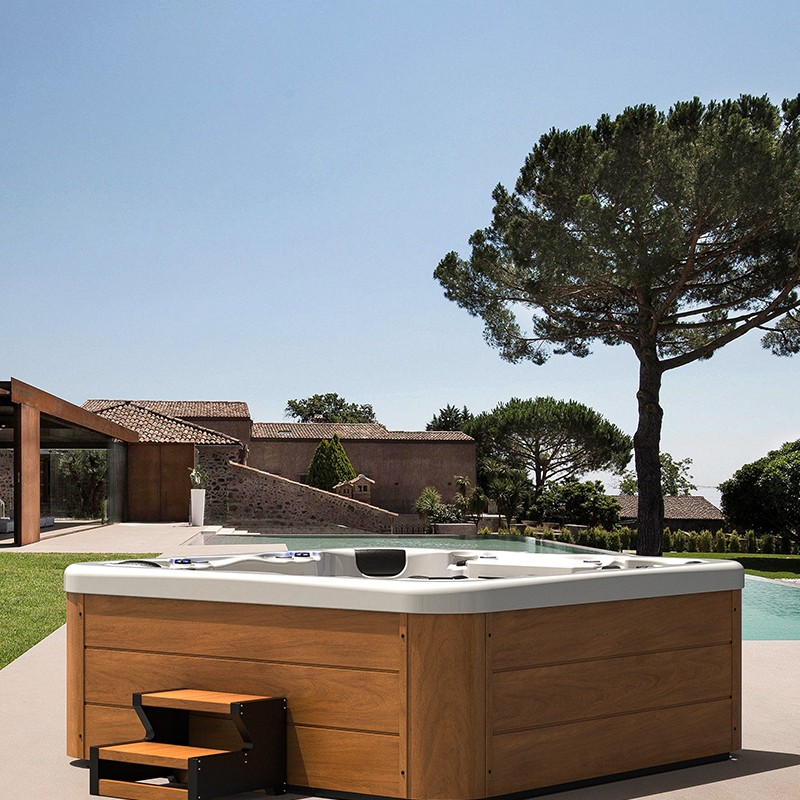
What are the main reasons for time limits on spa jacuzzi tub use?
The time limits for spa jacuzzi tub use mainly involve the following three aspects:
1. Human Safety Factors
Prolonged soaking in hot water can cause increased body temperature, blood pressure fluctuations, dehydration, or increased cardiac burden.
2. Equipment Protection Factors
The heating system, circulation pump, and electrical components of the spa jacuzzi tub may overheat or experience accelerated wear under prolonged continuous operation.
3. Water Quality Maintenance Factors
Prolonged use increases the accumulation of organic matter, grease, and sweat in the water, accelerating water quality deterioration and reducing disinfectant efficiency.
Therefore, limiting the time spent using the tub is crucial for protecting user health, extending the spa jacuzzi tub's lifespan, and maintaining water quality.
Why shouldn't humans use a spa jacuzzi tub for extended periods?
The human body undergoes several physiological reactions when immersed in hot water:
• Vasodilation: Hot water causes blood vessels in the skin to dilate, drawing blood to the surface, leading to a drop in blood pressure and an increase in heart rate.
• Increased Body Temperature: High-temperature water can rapidly raise core body temperature, causing dizziness, palpitations, or heatstroke.
• Risk of Dehydration: Prolonged immersion accelerates sweating and fluid loss, especially at spa jacuzzi tub water temperatures of 36–40°C.
• Fatigue and Weakness: Increased body temperature and accelerated blood circulation can fatigue the nervous system, potentially causing dizziness with prolonged use.
Therefore, most spa jacuzzi tub manufacturers recommend in their instructions that each soak should not exceed 20–30 minutes, and suggest taking breaks in between to ensure safety.
Why are there operational limitations to spa jacuzzi tubs?
Spa jacuzzi tubs contain heaters, circulation pumps, nozzle systems, and electronic control units. Continuous operation in high-temperature water environments generates heat and causes mechanical wear.
• Heater: Prolonged operation can easily overheat, potentially triggering the thermal protection switch.
• Circulation Pump: Continuous operation can cause wear on the pump body and bearings, reducing its lifespan.
• Electronic Control System: Prolonged high-load operation may cause panel or sensor malfunctions.
• Water Flow System: Continuous operation increases water flow resistance in the pipes, putting pressure on the pump and pipes.
Therefore, manufacturers usually set recommended usage times in the user manual, and some spa jacuzzi tubs have built-in automatic timer protection functions to prevent prolonged overload operation.
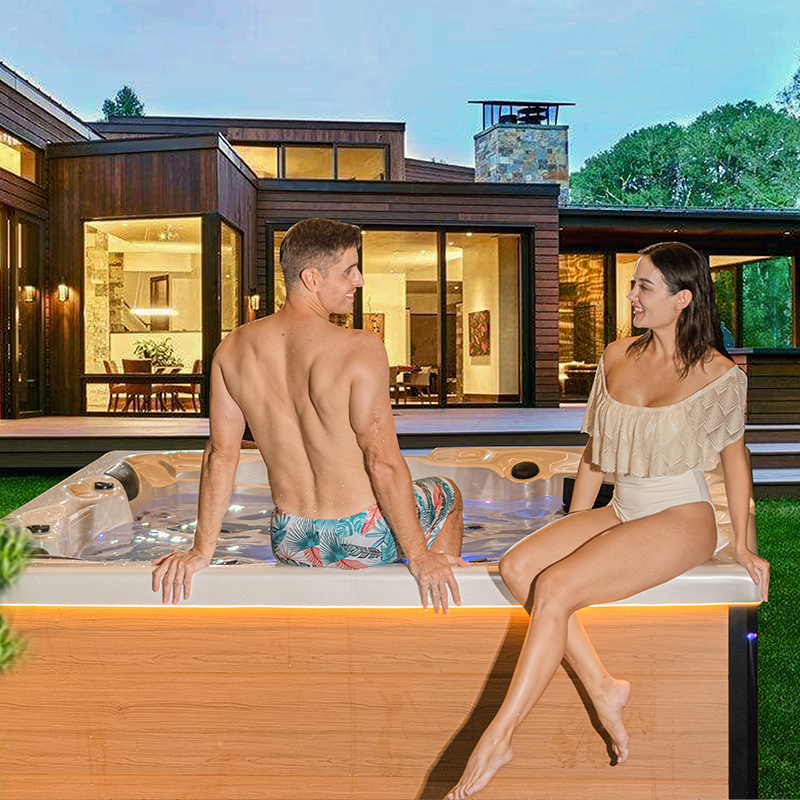
Why does water quality management limit the usage time of a spa jacuzzi tub?
During use, the water in a spa jacuzzi tub comes into constant contact with human skin, oils, sweat, cosmetics, and skincare products. Prolonged use can lead to the following water quality problems:
• Organic matter accumulation: Increased sweat, skin cells, and cosmetic residue increase the organic load.
• Disinfectant consumption: Disinfectants (such as chlorine or bromine) are consumed more quickly, making it difficult to maintain water quality.
• Impurity deposition: Prolonged circulation can cause impurities to accumulate in the pipes and at the bottom.
• Foam generation: Oils and detergents mixed into the water can easily produce foam, affecting the experience.
These factors reduce the hygiene level of the spa jacuzzi tub, increasing the frequency of cleaning and maintenance. Therefore, controlling the duration of each use is essential for maintaining water cleanliness and equipment performance.
Are the recommended usage times the same for different spa jacuzzi tubs?
Recommended usage time varies slightly depending on the brand and model of the spa jacuzzi tub, typically depending on the following factors:
1. Water Temperature Setting
• Hot water (38–40℃): 15–20 minutes
• Medium water (36–37℃): Up to 20–30 minutes
2. Tub Capacity and Water Circulation Efficiency
• Large spa jacuzzi tubs have a larger water volume and a more powerful circulation pump; recommended usage time is 20–25 minutes.
• Small family spa jacuzzi tubs heat up quickly; recommended usage time is 15–20 minutes.
3. Complexity of Functions
• Spa jacuzzi tubs equipped with multiple nozzles, multiple bubbles, or massage functions should have shorter continuous usage times to avoid overloading the pump or heater.
4. User's Health Condition
• Users with cardiovascular disease, pregnant women, children, or the elderly should shorten their usage time.
What are the effects of excessive usage time on a spa jacuzzi tub?
Exceeding the recommended usage time may lead to the following problems:
1. Accelerated Equipment Wear
Pumps, heaters, and control systems operate under high loads for extended periods, accelerating aging.
2. Water Quality Deterioration
Accumulation of organic matter and impurities in the water, rapid depletion of disinfectants, and increased susceptibility to bacterial growth.
3. Increased Energy Consumption
Prolonged heating and circulation significantly increase power consumption and reduce energy efficiency.
4. Safety Risks
Excessively high water temperatures or prolonged soaking may cause dizziness, dehydration, or excessive cardiovascular burden.
Therefore, properly controlling usage time protects health and extends the lifespan of the spa jacuzzi tub.
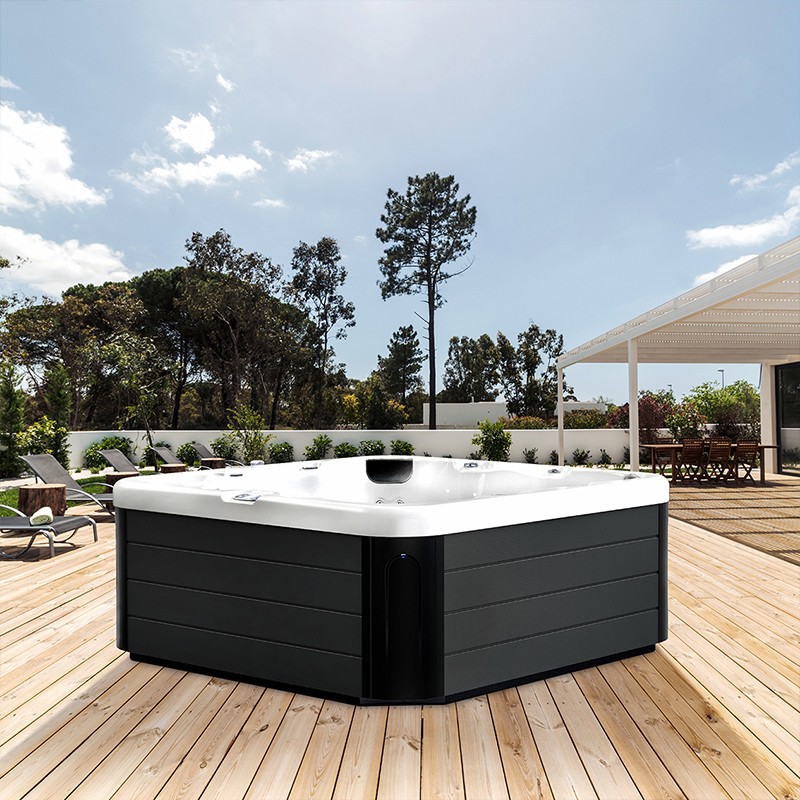
How to use a spa jacuzzi tub safely while adhering to time limits?
1. Set a Timer
Many spa jacuzzi tubs come with a timer that allows you to set the duration of each use, automatically stopping heating and spraying.
2. Control the Water Temperature
It is recommended to soak within the range of 36–38℃ to avoid blood pressure fluctuations caused by overheating.
3. Rest Intervals
After no more than 30 minutes of continuous use, rest for 10-15 minutes before continuing soaking.
4. Personal Health Considerations
Those with cardiovascular disease, pregnant women, the elderly, and children should shorten their soaking time when using the spa jacuzzi tub.
5. Filter Cartridge and Water Quality Maintenance
Keep the spa jacuzzi tub filter cartridge clean and change the water regularly to maintain good water quality for short periods.
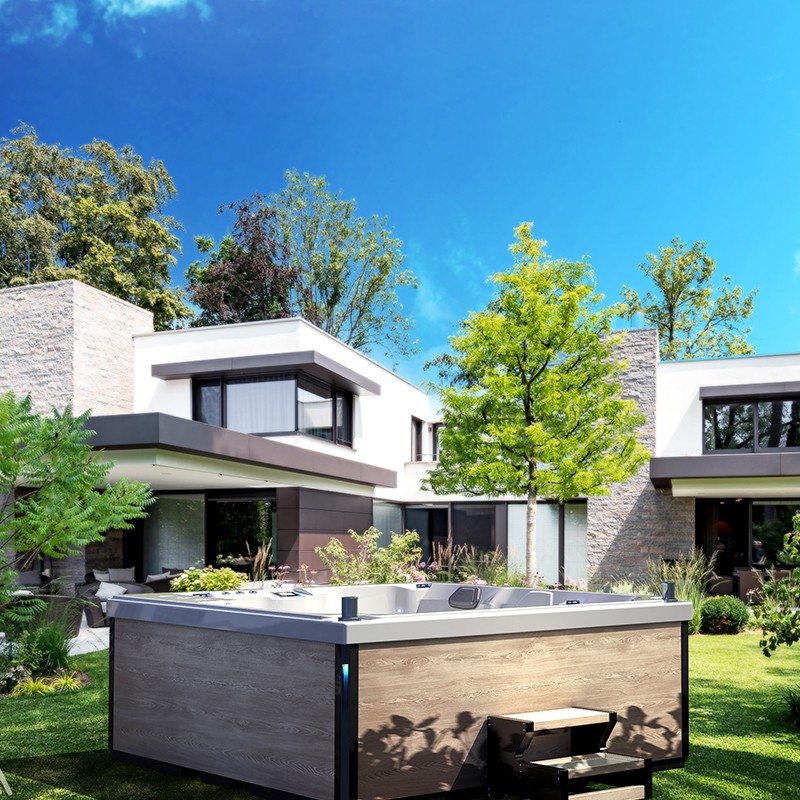
Can the spa jacuzzi tub be used continuously for extended periods?
Not recommended. Even with low water temperature and a powerful circulation pump, continuous use exceeding 60 minutes may still lead to:
• Dehydration or decreased blood pressure
• Rapid depletion of disinfectant
• Continuous overload of the pump and heater
• Accelerated scale buildup in pipes and nozzles
Ignoring usage time limits for extended periods may damage the equipment and endanger health.
The Core Reasons For Limiting the Usage Time of a Spa Jacuzzi Tub
1. Human safety: To prevent overheating, decreased blood pressure, dehydration, and excessive cardiovascular burden.
2. Equipment protection: To avoid prolonged overload operation of the heater, circulation pump, and electronic control system, extending their lifespan.
3. Water quality maintenance: To reduce the accumulation of organic matter and impurities, ensuring the effectiveness of disinfectants and maintaining water quality.
It is recommended that users follow the manufacturer's instructions, soaking for 15–30 minutes each time, and adjust the usage time according to water temperature, equipment capacity, and individual health conditions.