


What fungal infections can be associated with outdoor hot tubs?
2026-09-24 15:30Outdoor whirlpool hot tubs—valued for their warm water immersion, massage jets, and relaxing spa experience—are widely used in residential gardens, villas, hotels, resorts, and commercial spas. However, the combination of high water temperatures, a consistently humid environment, and frequent use by multiple people creates conditions where—if water quality management, filtration systems, and routine cleaning are inadequate—the risk of skin infections may increase.
It is important to clarify that outdoor spa hot tubs do not inherently cause fungal infections. Many people assume they have a fungal infection if they develop a red rash or itching after using a hot tub; in reality, such issues can also be caused by bacteria, irritant dermatitis, or other factors. For instance, the classic "hot tub rash" is typically associated with *Pseudomonas aeruginosa*; this is a bacterial infection, not a common fungal skin infection. Therefore, assessing the hygiene risks of outdoor whirlpool hot tubs requires considering multiple factors, including fungi, bacteria, water quality, and personal hygiene.
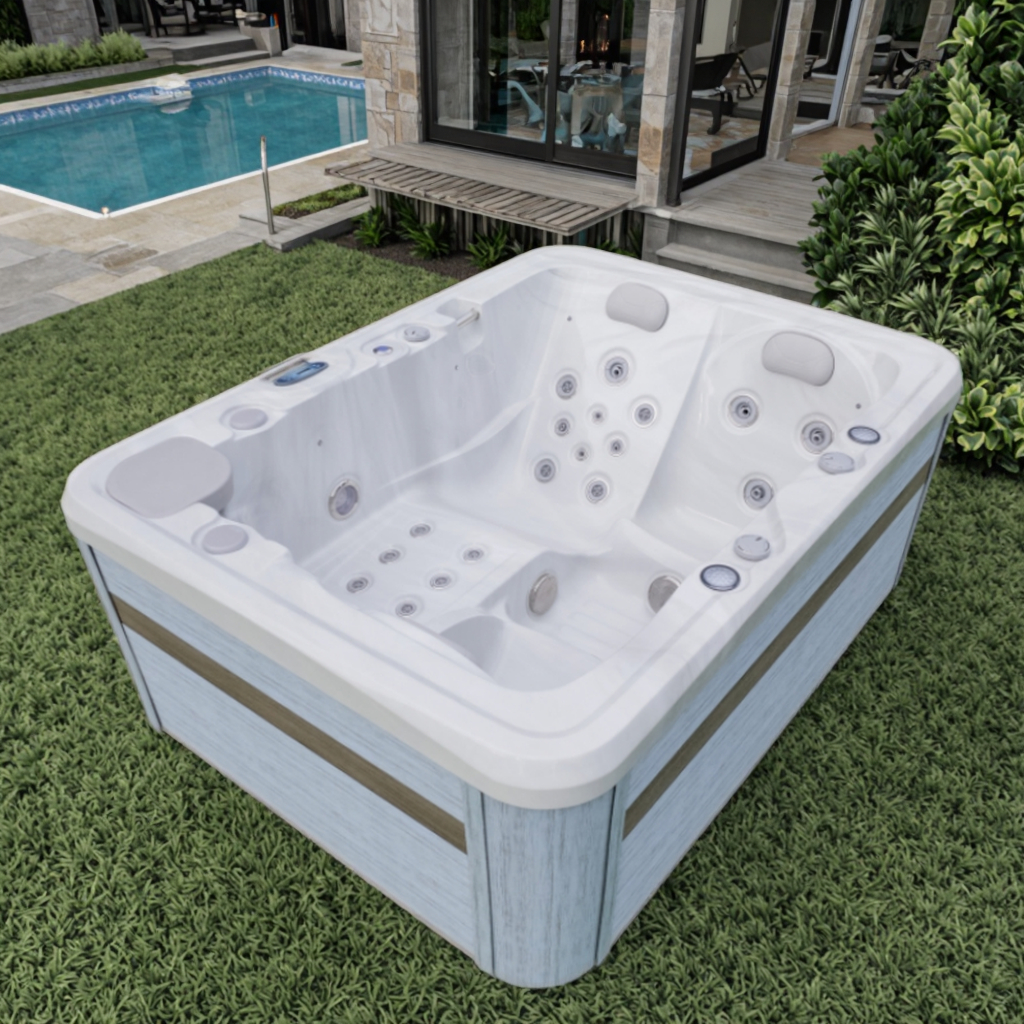
Why is it important to be concerned about fungi and skin infections regarding outdoor hot tubs?
One of the primary differences between an outdoor spa hot tub and a standard bathtub is that the water is typically recirculated. Heaters, circulation pumps, filters, and massage jets form a circulation system, meaning the water is not completely drained after a single use. Consequently, substances such as user sweat, sebum, dead skin cells, skincare product residues, and dust from the outdoor environment can all enter the water.
Furthermore, outdoor spa hot tubs are usually kept at high temperatures. The CDC recommends that whirlpool hot tub water temperatures not exceed 104°F (40°C). Warm, humid environments naturally favor the survival of certain microorganisms; when combined with multiple users, insufficient disinfectant levels, and infrequent filter cleaning, the likelihood of microbial proliferation increases.
Therefore, the hygiene and safety of an outdoor hot tub cannot be judged solely by whether the water looks clear. Water clarity does not guarantee the absence of microorganisms; water quality testing, filtration, disinfection, and regular cleaning are the true indicators of whether an outdoor spa hot tub is hygienic.
What fungal infections might be associated with outdoor hot tubs?
1. Athlete's foot (Tinea pedis)
Athlete's foot—commonly known as *jiaoqi* (foot fungus) in Chinese—is a relatively common fungal skin infection. Fungi thrive in warm, humid environments; consequently, prolonged moisture between the toes increases the risk of infection. Common symptoms include itching, peeling, whitening of the skin, cracking, or the appearance of blisters in the toe webs.
While an outdoor spa hot tub is not a direct source of athlete's foot, the surrounding wet surfaces—such as the deck, shower areas, changing rooms, and non-slip mats—can facilitate fungal transmission. Particular caution is warranted in shared facilities like hotels, fitness centers, and spas, where floors may remain constantly damp and inadequately cleaned.
Therefore, users of outdoor spa hot tubs should not focus solely on cleaning the tub itself but should also pay attention to the hygiene of the surrounding area.
2. Jock Itch (Tinea Cruris)
Jock itch is another type of dermatophyte infection that typically affects warm, moist areas prone to friction, such as the groin and inner thighs.
Prolonged wear of wet swimwear, failure to cleanse the body promptly after exercise, and keeping the skin damp for extended periods can create conditions conducive to fungal growth. Consequently, after using an outdoor spa hot tub, one should remove wet swimwear, rinse the body, and thoroughly dry the skin as soon as possible.
It is important to note that jock itch is not caused by the hot water itself "generating" fungi; rather, the humid environment and personal hygiene habits can increase the likelihood of infection.
3. Body Ringworm (Tinea Corporis)
Body ringworm is another common dermatophyte infection, often presenting as a red, itchy rash with distinct borders that expands in a ring-like pattern.
Sharing outdoor whirlpool hot tubs—along with communal towels, changing facilities, and relaxation areas—can increase the risk of cross-transmission of fungi. Therefore, commercial outdoor hot tub facilities must manage not only water quality but also the hygiene of towels, shower areas, changing rooms, and surrounding surfaces.
4. Fungal Nail Infection (Onychomycosis)
Fungal nail infections primarily manifest as thickening, discoloration, brittleness, and splitting of the fingernails or toenails. This condition typically develops slowly and is difficult to attribute to a single instance of whirlpool hot tub use.
However, the risk of infection may increase with prolonged exposure to damp environments combined with poor foot hygiene. Therefore, when using an outdoor hot tub, it is crucial to keep your feet dry and avoid walking barefoot on unsanitary, wet public surfaces.
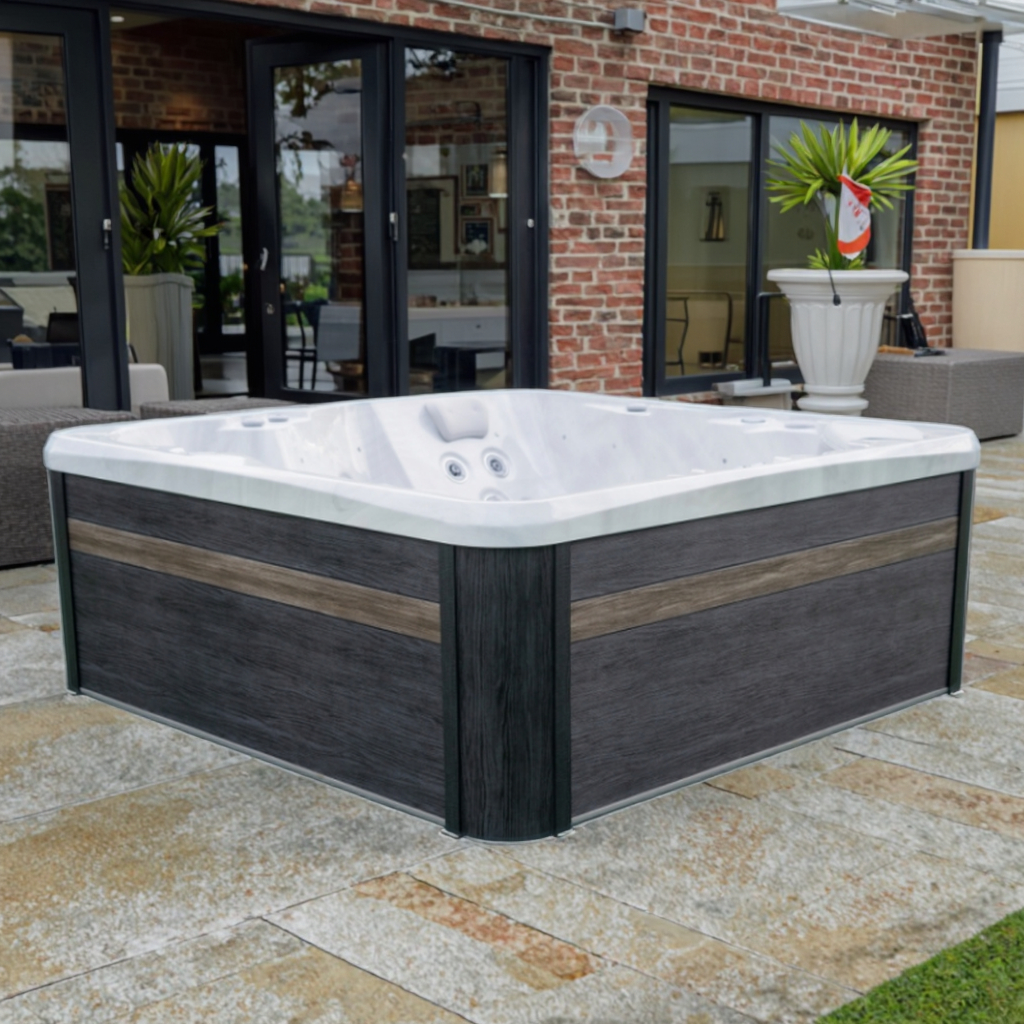
Does a rash appearing after using an outdoor hot tub necessarily indicate a fungal infection?
Not necessarily.
This is a common misconception regarding outdoor whirlpool hot tub hygiene. The CDC notes that the typical "hot tub rash" is usually associated with *Pseudomonas aeruginosa*—a type of bacteria, not a skin fungus.
This condition typically manifests as small, red, itchy bumps—sometimes developing into pus-filled blisters—often appearing in areas covered by swimwear. It is linked to water contamination, insufficient disinfectant levels, and improper maintenance.
Consequently, if you notice skin abnormalities after using an outdoor spa hot tub, you should not simply assume it is a "fungal infection." If symptoms are pronounced, persistent, or worsening, you should consult a doctor for a proper diagnosis.
This highlights that hygiene management for outdoor whirlpool hot tubs should not focus solely on fungi but should instead address overall water quality and safety.
How do water temperature, chlorine, and pH affect outdoor hot tub hygiene?
Outdoor hot tubs typically operate at high temperatures, but high heat does not equate to disinfection. The CDC recommends that spa hot tub water temperatures not exceed 40°C. Excessive heat cannot replace disinfection and may actually increase the risk of heat stress.
Regarding water quality management, the CDC recommends maintaining free chlorine levels of at least 3 ppm (or 4–8 ppm if using bromine) and keeping the pH between 7.0 and 7.8. An appropriate pH level helps maintain the effectiveness of the disinfectant.
If the pH is too high, the disinfecting power of chlorine diminishes; if disinfectant concentrations are insufficient, microorganisms in the water cannot be effectively controlled. Therefore, outdoor spa hot tub maintenance should not rely solely on filters or high temperatures; instead, it requires an integrated approach combining temperature control, disinfection, pH balance, filtration, and water circulation.
Home users can utilize specialized water testing kits for regular checks. Hotels, resorts, and commercial spas should implement standardized testing logs and maintenance procedures.
Filtration Systems are a Crucial Component of Outdoor Hot Tub Hygiene Management
Many consumers believe that simply installing a filter in an outdoor spa hot tub is enough to resolve water quality issues. In reality, the filtration system is merely one component of the overall water treatment framework.
During use, substances such as sweat, sebum, dead skin cells, hair, and other particulates inevitably enter the water. If the filter is not cleaned regularly, contaminants accumulate, potentially impairing circulation efficiency. Furthermore, the presence of grime or biofilm on filters, massage jets, and internal piping complicates hygiene maintenance.
Consequently, filters in outdoor whirlpool hot tubs must be cleaned or replaced according to the manufacturer's specifications, and the tub walls, jets, and waterline areas require regular cleaning.
Manufacturers should address factors such as filter accessibility, the elimination of hygienic "dead zones" in piping, and adequate system circulation during the product design phase, rather than attempting to resolve these issues after installation.
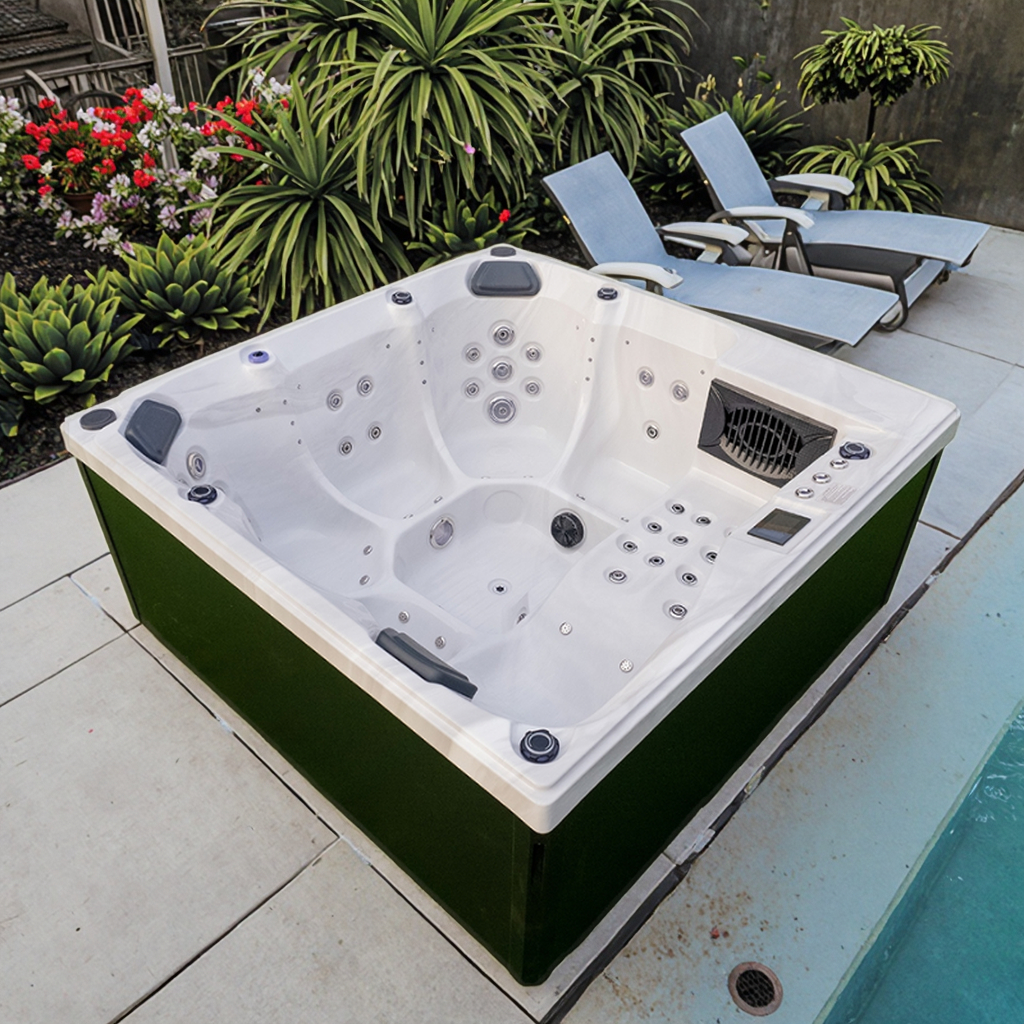
How can households minimize the risk of infection associated with outdoor hot tubs?
Reducing the risk of fungal and microbial contamination in outdoor hot tubs does not require complex procedures; consistent daily maintenance is the key.
First, check the water quality before use. Focus on measuring pH levels and the concentration of chlorine or bromine, rather than simply relying on visual clarity. CDC guidelines recommend maintaining free chlorine levels of at least 3 ppm, bromine levels between 4 and 8 ppm, and a pH range of 7.0 to 7.8.
Second, shower before entering the whirlpool hot tub to minimize the introduction of sweat, sebum, skincare products, and dust into the water. After use, rinse your body and change into dry clothing and swimwear as soon as possible.
Third, ensure the filtration system functions correctly and clean the filter regularly. If the water becomes noticeably cloudy or develops an unusual odor, if foaming increases, or if slimy deposits appear on the tub walls, inspect the water quality and equipment rather than continuing normal use.
Fourth, clean the area surrounding the whirlpool hot tub. Steps, non-slip mats, shower areas, and drainage points often remain damp for extended periods and require regular cleaning.
Fifth, avoid overloading the tub. A higher number of users typically results in increased levels of sweat and organic contaminants entering the water, leading to faster depletion of disinfectants. Therefore, the number of users should align with the equipment's capacity and the manufacturer's recommendations.
How should manufacturers of outdoor hot tubs address hygiene-related challenges?
From a manufacturing perspective, the responsibility for hygiene cannot be left entirely to the consumer. Manufacturers should incorporate long-term water quality management considerations into the product design phase. First, the water circulation structure should be optimized to minimize "dead zones" where water stagnates within pipes and jets. If complex piping systems fail to circulate or drain fully over extended periods, it can lead to the accumulation of sediment and biofilm.
Second, the filtration system should be user-friendly regarding maintenance. Filters must be easy to remove, clean, and replace; if maintenance is too difficult, users are more likely to neglect cleaning for long periods.
Third, depending on the product's market positioning, features such as automatic water quality monitoring, ozone treatment, or other auxiliary water treatment technologies can be incorporated. However, these should serve as part of a comprehensive water treatment system rather than replacing fundamental measures like disinfection, filtration, and regular water changes.
For OEM/ODM outdoor whirlpool hot tub projects, overseas brands need to pay special attention to these details during product development. Beyond factors like the number of massage jets, insulation, control systems, and aesthetic design, elements such as circulation piping, filtration systems, drainage structures, and ease of maintenance are equally critical in determining the long-term user experience.
Establishing a Comprehensive Hygiene Management Process for Outdoor Hot Tubs
Truly effective hygiene management can be broken down into four stages: pre-use checks, in-use controls, post-use cleaning, and periodic maintenance.
Before use, verify the water temperature, pH levels, disinfectant concentration, and the proper functioning of the filtration and circulation systems. During use, limit the number of bathers and prevent excessive sweat, skincare products, and dirt from entering the water. If water quality appears abnormal, usage should be suspended.
After use, bathers should rinse their bodies and swimwear, and the whirlpool hot tub surface should be cleaned. For frequently used outdoor hot tubs, filters, jets, and piping require regular cleaning based on usage frequency.
Periodic maintenance includes deep cleaning, filter servicing, water replacement, and equipment inspections. Commercial projects should also maintain water quality records to facilitate timely adjustments if issues arise.
Ultimately, the likelihood of hygiene issues in outdoor spa hot tubs is not determined solely by the product itself; rather, it is the result of the interplay between equipment design, water quality management, environmental hygiene, and user habits.
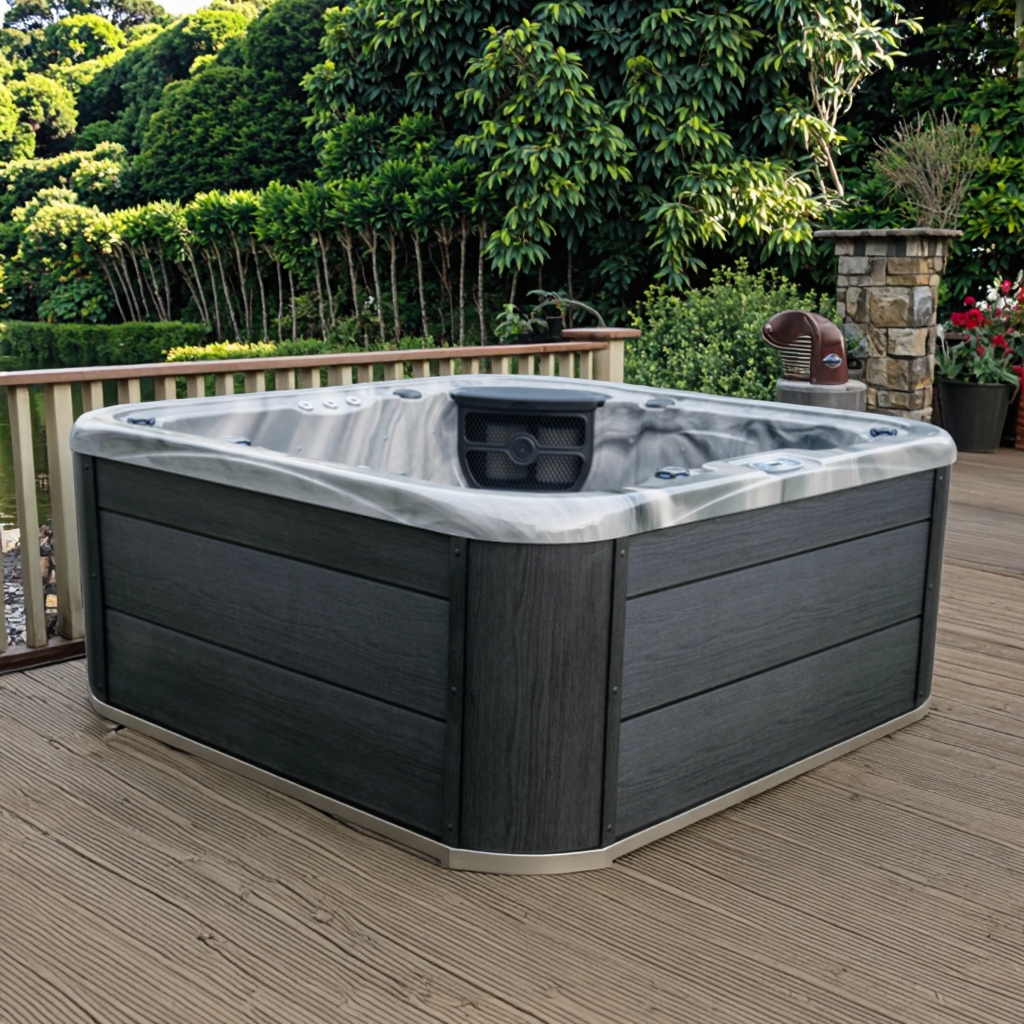
FAQ: Common Questions About Fungal Infections and Outdoor Hot Tubs
1. Can outdoor whirlpool hot tubs cause athlete's foot?
Not necessarily. Athlete's foot (tinea pedis) is caused by fungi, and warm, humid environments can increase the risk of fungal transmission and growth. Particular attention should be paid to hygiene in areas surrounding the whirlpool hot tub, as well as in communal shower and changing facilities.
2. What should I do if a rash appears after using an outdoor whirlpool hot tub?
A rash is not necessarily a fungal infection; it could also be caused by bacteria such as *Pseudomonas aeruginosa*. If the rash persists, worsens significantly, or is accompanied by other symptoms, consult a doctor promptly rather than attempting to diagnose the type of infection yourself.
3. What is the appropriate temperature for an outdoor spa hot tub?
The CDC recommends that hot tub water temperatures do not exceed 40°C (104°F). High temperatures cannot replace disinfection; water quality must still be managed through the use of disinfectants, pH control, filtration, and circulation.
4. How often should water quality in an outdoor hot tub be tested?
For home use, testing should be conducted according to the requirements of the equipment and disinfection products, with increased frequency during periods of heavy use. The CDC recommends testing disinfectant levels and pH in home whirlpool hot tubs at least daily, and more frequently if the tub is used often.
5. Can a filter completely prevent infections associated with outdoor spa hot tubs?
No. Filters are primarily used to remove particles and contaminants and cannot replace disinfection. Outdoor whirlpool hot tubs still require proper chlorine or bromine levels, pH control, circulation, cleaning, and regular water changes.