


What causes mold in outdoor garden jacuzzi tubs?
2026-10-22 15:30Outdoor whirlpool spa hot tubs are constantly exposed to humid environments and are susceptible to contamination from leaves, pollen, dust, sweat, and other organic matter. Inadequate routine cleaning, or issues with sanitizer levels, filtration cycles, and water quality management, can lead to the appearance of black spots, green deposits, slimy films, or unpleasant odors. While users often lump these issues together as "mold," the underlying causes can vary—ranging from actual mold and algae to bacterial biofilms or accumulated organic debris.
Outdoor garden jacuzzi tubs operate at high temperatures, and the jets generate water currents and aerosols. If contamination issues remain unresolved, they can compromise the tub's appearance, the user experience, and equipment longevity, while also posing hygiene risks. Therefore, identifying the cause requires more than just surface scrubbing; it involves inspecting the water quality, filters, circulation plumbing, the cover, and the surrounding environment.
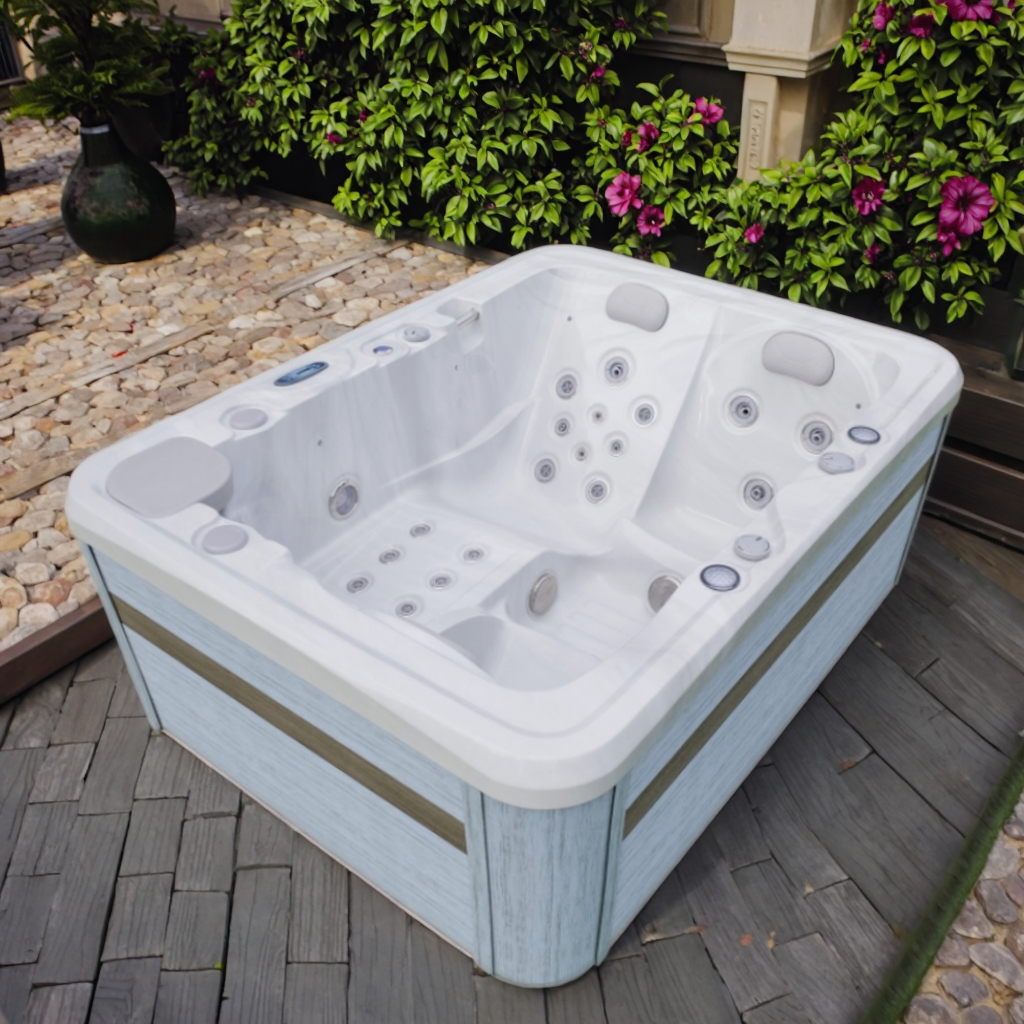
What does mold growth in an outdoor hot tub typically look like?
When mold-like stains appear in an outdoor hot tub, consider the following scenarios:
1. Mold or mildew. Mold is more likely to develop on the underside of the cover, at shell seams, on wood trim, on the base, and in other areas prone to prolonged dampness and poor ventilation. Common signs include black, gray, or green spots, surface discoloration, and a musty odor. Stains concentrated above the waterline, on the cover, or on exterior trim are often linked to moisture, condensation, and the accumulation of organic matter.
2. Biofilm. Biofilm is a slimy layer formed by microorganisms adhering to moist surfaces; it can appear on the tub's interior walls, in plumbing, around jets, and within the filtration system. It may be transparent, white, gray, or brown and feels slimy to the touch. Biofilm is distinct from ordinary mold; the microorganisms within it are often protected by a sticky matrix, meaning that simply increasing sanitizer levels may not effectively eliminate the buildup adhering to surfaces or pipes. The CDC emphasizes that regularly scrubbing whirlpool spa hot tub surfaces and maintaining the circulation system are crucial measures for controlling biofilm.
3. Algae or organic deposits. Green stains may be linked to algae or other deposits, while brown or black stains can result from fallen leaves, silt, metal deposits, or other contaminants. Color alone cannot accurately identify the type of contaminant; therefore, assessment should consider the stain's location, texture, water quality test results, and changes observed after cleaning.
If an outdoor garden jacuzzi tub develops a noticeable slimy layer, persistent odors, or unidentified deposits, stop using it immediately. Inspect the water quality and perform proper cleaning and disinfection; do not attempt to mask the problem simply by adding anti-mold agents or fragrances.
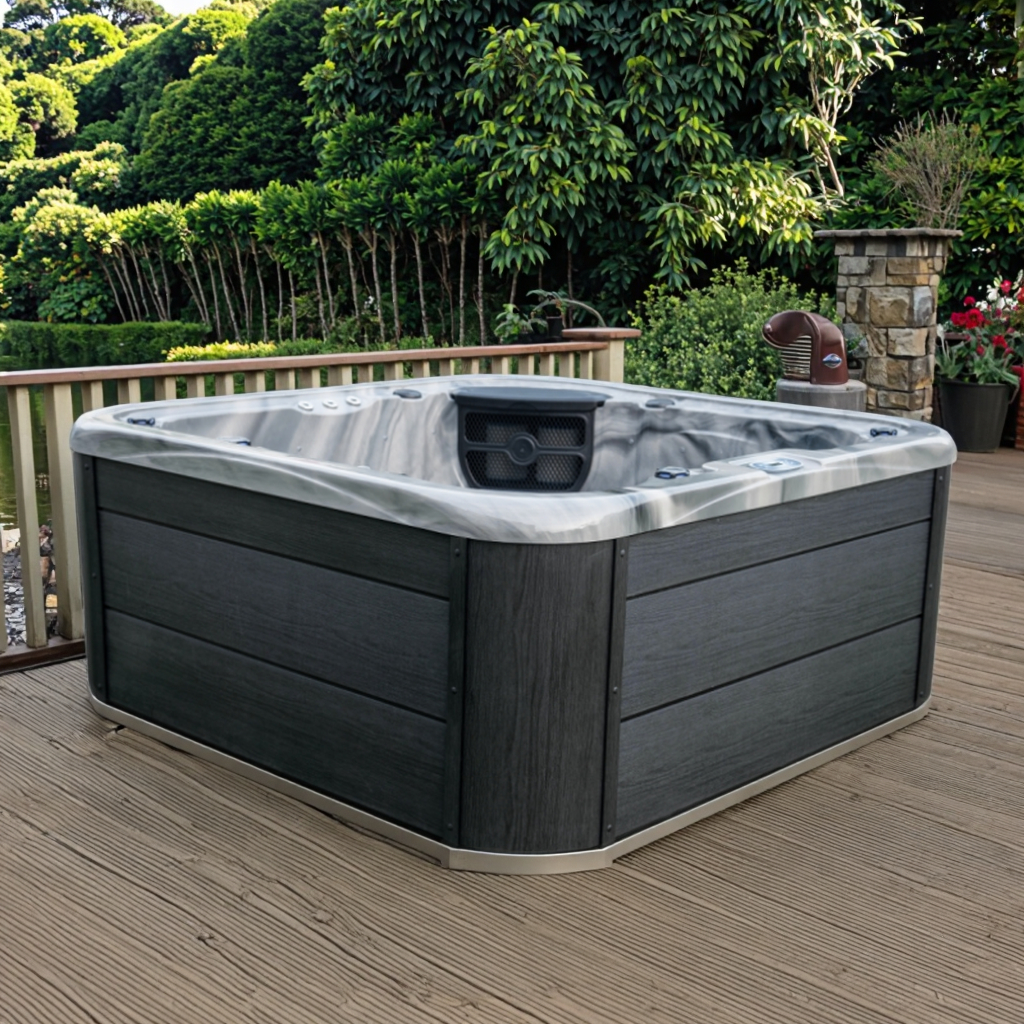
Main Causes of Mold Growth in Outdoor Hot Tubs
1. Insufficient disinfectant concentration
Inadequate disinfectant levels are a priority issue to investigate when managing outdoor garden jacuzzi tub water quality. Hot tubs contain a relatively small volume of water, yet high temperatures, heavy usage, and aeration from jets can make disinfection management challenging. If effective chlorine or bromine concentrations consistently fall below the equipment's requirements, microorganisms proliferate more easily, and biofilm is more likely to form on surfaces.
Sweat, sebum, cosmetics, sunscreen, and other organic matter accelerate disinfectant consumption. If users add disinfectant only before use without continuous water quality monitoring, significant concentration fluctuations can occur. Water clarity alone does not guarantee adequate disinfection levels.
Solution: Use testing tools designed for whirlpool spa hot tubs to regularly monitor disinfectant concentrations and pH levels. CDC reference values for hot tubs are: free chlorine at a minimum of 3 ppm, bromine typically at 4–8 ppm, and pH between 7.0 and 7.8; always follow the manufacturer's instructions and local regulations for specific maintenance.
Do not rely solely on water color or odor to judge disinfectant adequacy, and avoid indiscriminately adding large amounts of chemicals in a hasty attempt to resolve mold issues.
2. Poor performance of water circulation and filtration systems
Filters remove suspended particles and certain contaminants from the water, while pumps drive the flow through the circulation system. If the filter cartridge becomes clogged, the pump flow is insufficient, the intake is blocked by debris, or scale accumulates in the piping, contaminants may remain in the water or adhere to equipment surfaces.
The internal components of the piping, jets, and filters in outdoor garden jacuzzi tubs require special attention, as these areas are not easily accessible for direct inspection or scrubbing. If users clean only the visible interior walls while neglecting the internal circulation system, stains and odors may reappear even after the water is changed.
Solution: Regularly clean the filter cartridge according to the manual, check for damage or signs of aging, and ensure the pump, intake, and circulation system are functioning correctly. If slimy deposits persist or quickly return after cleaning, consider the possibility of residual biofilm in the pipes and treat the system using the manufacturer's recommended pipe-cleaning procedure.
3. Prolonged dampness and poor ventilation of the hot tub cover
While whirlpool spa hot tub covers reduce heat loss and keep out leaves and dust, their undersides are often exposed to a warm, humid environment for extended periods. Without proper ventilation after use, condensation, body oils, and other organic matter can accumulate, creating conditions favorable for mold growth.
If the hot tub remains covered for long periods with infrequent use, or if the cover is damaged, waterlogged, or has compromised seams, it becomes difficult for damp areas to dry out completely. Similar issues can occur on surrounding walls, wooden decking, and the joints of the whirlpool spa hot tub's exterior casing.
Solution: Regularly inspect the underside of the cover and clean or ventilate it as recommended by the manufacturer. After cleaning, allow surfaces to dry thoroughly before replacing the cover. If the cover is damaged, heavily waterlogged, or prone to recurring mold, consider repairing or replacing it rather than relying solely on surface cleaners.
4. Excessive contaminants introduced from the outdoor environment
Outdoor hot tubs are susceptible to pollen, fallen leaves, dirt, insects, and rainwater splash. Once contaminants enter the water, they not only place an increased burden on the filtration system but also provide organic matter that fuels microbial growth. If there are trees, shrubs, or exposed soil near the hot tub, the likelihood of contaminants entering the water increases.
Contaminants introduced by users themselves cannot be overlooked either. Sweat, body oils, skincare products, and sunscreen increase the burden on the water treatment system. If multiple people use the tub in succession without timely water quality checks or filter cleaning, stains and odors may develop more quickly.
Solution: Rinse off briefly before use to minimize the introduction of skincare products and other organic matter into the water; promptly remove floating debris, keep the cover clean, and ensure it closes properly. Increase the frequency of inspections and cleaning when environmental pollution levels are high.
5. Water quality imbalance or improper water replacement schedule
Outdoor garden jacuzzi tub water quality depends not only on sanitizer levels but also on pH, bather load, filtration efficiency, and the age of the water. As contaminants accumulate, simply adding more sanitizer may not effectively resolve all water quality issues.
If the pH remains outside the optimal range for an extended period, sanitizer effectiveness may be compromised; if the water is not changed regularly, dissolved contaminants and other residues will build up. Conversely, frequent draining without thoroughly cleaning the plumbing and surfaces can allow residual grime to reappear after refilling.
Solution: Regularly test pH and sanitizer levels, and schedule water changes based on usage frequency, water quality changes, and manufacturer recommendations. Clean the interior walls, filters, and accessible components when draining the tub; do not simply replace the water while ignoring surface deposits. Conduct a comprehensive inspection of the water treatment and circulation systems if the water remains persistently cloudy, develops a strong odor, or repeatedly forms biofilm.
6. Use of unsuitable cleaning agents
Upon discovering mold, some users resort to household bleach, strong acid cleaners, anti-mold sprays, or other products not verified as suitable for the tub. Such practices can damage acrylic surfaces, seals, cover materials, or metal components, and may introduce chemical residues into the water.
Different materials used in outdoor garden jacuzzi tubs have varying levels of resistance to cleaning agents. Some cleaning agents are suitable for the exterior shell but not the interior walls of the tub; certain products are designed for cleaning surfaces after the water has been drained but should not be added directly to the bathwater.
Solution: Select cleaning products specifically formulated for the tub's material and intended use, and strictly follow the label instructions. Do not mix chlorine-based products with acidic cleaners, nor mix different water treatment chemicals. After cleaning and disinfecting, rinse thoroughly according to product and equipment guidelines, and verify that water quality has returned to the specified range before use.
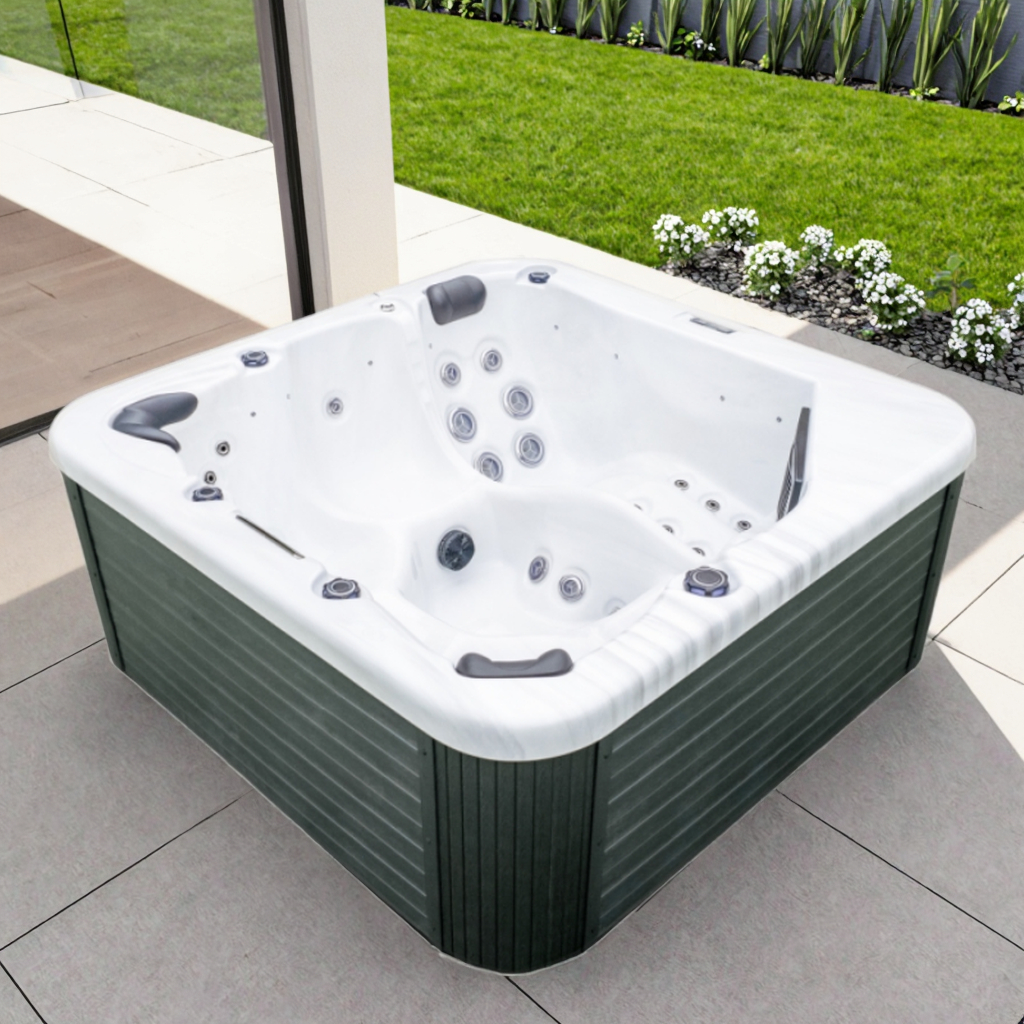
How do you properly remove mold spots and biofilm from an outdoor hot tub?
The treatment method should be determined based on the location and severity of the contamination. For mold spots appearing only on the cover, exterior shell, or surfaces accessible after draining, use a manufacturer-approved cleaner; for the slimy layers found on interior walls and within circulation piping, both surface contamination and water quality issues must be addressed.
Step 1: Suspend use and identify the contamination site. Check for mold spots above the water line, or on the cover, interior walls, jets, or near the filter. If the water shows abnormal color, a persistent odor, or a noticeable slimy layer, stop using the tub to avoid soaking in compromised water.
Step 2: Check water quality and equipment status. Measure pH and sanitizer levels, and inspect the filter, pump, and visible jets for proper operation. If water quality parameters are abnormal, adjust them according to product instructions; do not attempt to substitute proper cleaning with an excessive dose of sanitizer.
Step 3: Clean accessible surfaces. For interior walls and components that can be safely cleaned after draining, use material-appropriate cleaners and non-abrasive tools to scrub the surfaces. Focus on the water line, seams, areas around jets, and other spots prone to grime accumulation. Avoid using wire brushes or coarse abrasives that could scratch the surface.
Step 4: Treat the filter and piping. Clean or replace the filter cartridge according to the manufacturer's specifications, and use a specialized pipe cleaner to remove internal residue if necessary. If biofilm recurs, inspect the circulation system for stubborn deposits that are difficult to flush out. Do not attempt to apply high-concentration disinfection procedures intended for public bath facilities to home equipment; high-concentration treatments must adhere to equipment specifications and professional guidelines.
Step 5: Refill and verify water quality. After cleaning, refill the unit according to equipment requirements, ensure the pump is circulating properly, and adjust disinfectant levels and pH to the appropriate range. Resume use only when water quality parameters, equipment operation, and cleaning product instructions permit.
If the hot tub shows extensive contamination, persistent odors, or rapid recurrence of issues after cleaning—or if users develop symptoms potentially linked to its use—discontinue use and seek professional water treatment or maintenance services. If contamination by specific pathogens is suspected, assessment and remediation should be conducted based on the advice of public health professionals.
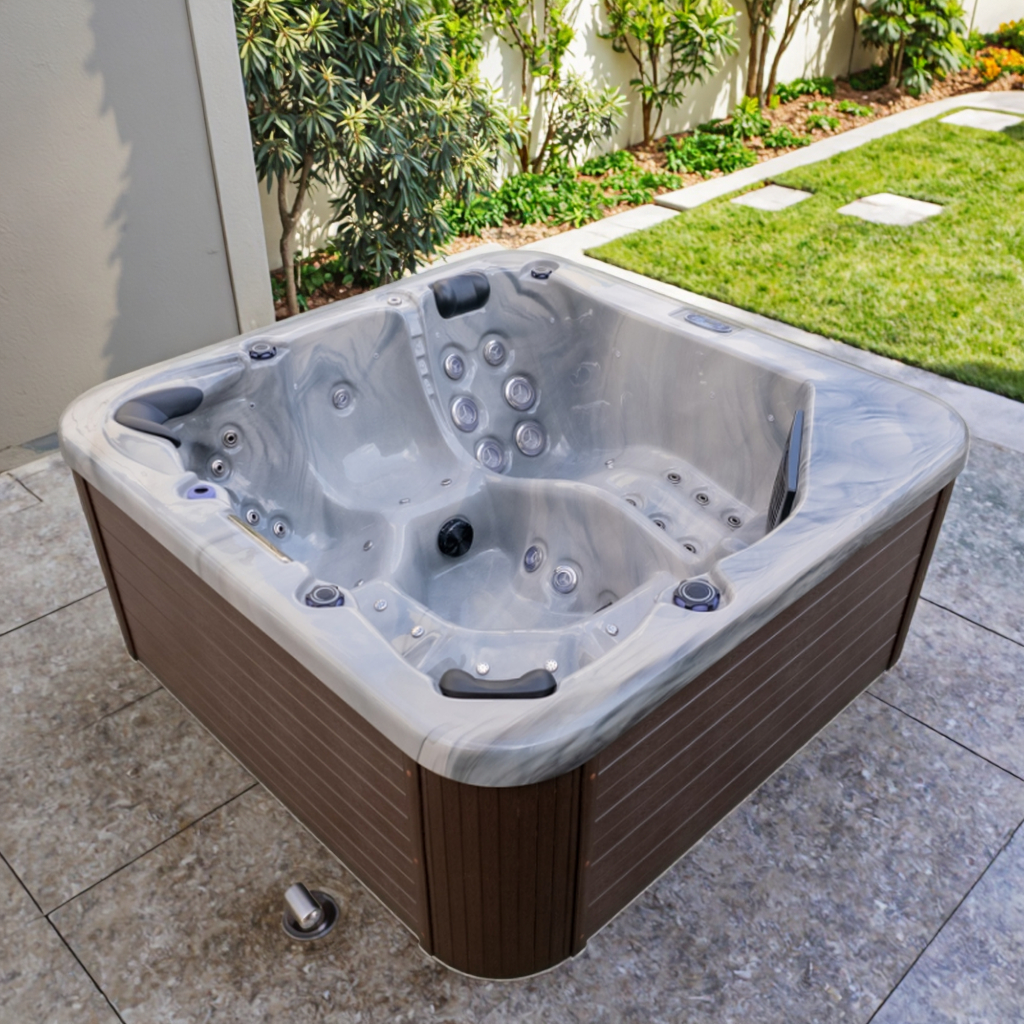
FAQ: Common Questions About Mold in Outdoor Hot Tubs
Q1: Are black spots in the water necessarily mold?
Not necessarily. Black spots can also result from organic deposits, metal contamination, or other types of buildup. Assessment should consider the location, texture, water test results, and changes observed after cleaning; the type of contamination cannot be determined by color alone.
Q2: What causes the surface of the outdoor garden jacuzzi tub to feel slimy?
A slimy texture may result from the accumulation of biofilm or organic matter. Check disinfectant levels, pH, filters, and the circulation system, and ensure thorough scrubbing of accessible surfaces and cleaning of the plumbing lines.
Q3: Can the mold problem be solved simply by increasing the chlorine dosage?
No. While disinfectants help control microorganisms, addressing biofilm already attached to surfaces or hidden within plumbing usually requires scrubbing, cleaning, and maintenance of the circulation system. Excessive chemical use can cause irritation or damage the equipment; always follow product labels and manufacturer instructions.
Q4: Is it necessary to change the water if mold appears in the outdoor garden jacuzzi tub?
If contamination is minor, immediate water replacement may not be necessary following proper cleaning and water quality adjustment. However, if water quality remains abnormal, odors persist, deposits recur, or equipment instructions mandate a change, the tub should be drained, cleaned, and refilled according to guidelines.
Q5: Can a moldy bathtub cover affect the water in the bathtub?
It is possible. Mold spots, dust, and organic matter on the underside of the cover could fall into the bathtub when it is opened or closed. You should clean the cover promptly and check for issues such as damage, water absorption, or persistent condensation.