


Is it a good idea to use an outdoor spa hot tub before bed?
2026-10-20 15:29As healthy lifestyles gain popularity, outdoor spa hot tubs have become a sought-after amenity in residential backyards, hotels, resorts, and high-end vacation rentals. Many people enjoy an evening soak to relieve the day's fatigue and relax their muscles. However, a common question arises: does using an outdoor spa hot tub before bed actually aid sleep, or could it lead to insomnia?
Generally speaking, if water temperature, soak duration, and timing are managed properly, using an outdoor spa hot tub before bed can help some people relax and make falling asleep easier. Conversely, if the water is too hot, the soak lasts too long, or one goes to bed immediately afterward, the body may remain overheated—potentially leading to issues such as sweating, thirst, an elevated heart rate, or difficulty falling asleep.
A systematic review and meta-analysis published in *Sleep Medicine Reviews* in 2019 found that taking a warm bath or shower one to two hours before bedtime could reduce the time it takes to fall asleep and improve certain sleep metrics. However, since these studies focused primarily on standard baths or showers, the findings cannot be directly extrapolated to guarantee the same effects for everyone using an outdoor hot tub.
Therefore, determining whether an outdoor spa hot tub session is suitable before bed requires considering more than just water comfort; factors such as soak duration, personal health conditions, and the time needed for the body to cool down afterward must also be taken into account.
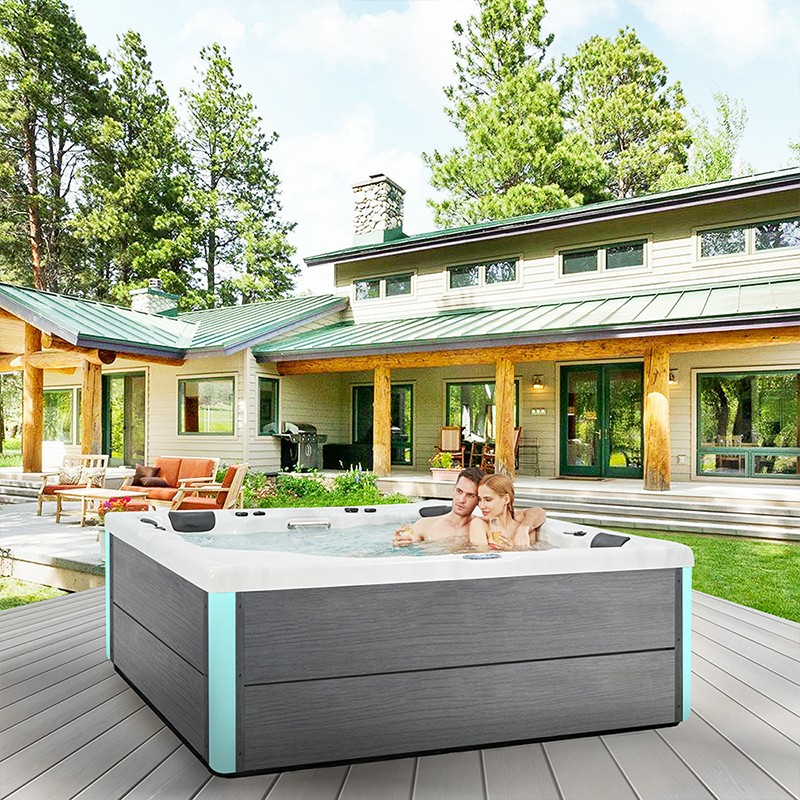
Why might an outdoor spa hot tub help with sleep?
1. Helping the body transition into a sleep state
The body's core temperature typically drops gradually at night as part of the natural sleep-wake cycle. Soaking in warm water raises skin temperature and promotes the dilation of peripheral blood vessels. Upon leaving the tub, the body dissipates heat through the skin, causing the core temperature to fall—a process that can facilitate falling asleep.
This is why the timing of the soak is crucial. Completing a warm soak one to two hours before bedtime usually gives the body ample time to return to a comfortable state. In contrast, lying down immediately after a long, high-temperature soak may leave the body feeling overheated, thereby hindering the ability to fall asleep.
2. Relieving Muscle Tension and Physical Fatigue
Muscle tension resulting from prolonged desk work, standing for long periods, or exercise can affect nighttime comfort. An outdoor spa hot tub offers a relaxing environment—combining warm water with physical support—that helps alleviate muscle tightness.
For those who exercise frequently or have demanding jobs, a moderate soak can serve as part of a daily recovery routine. However, soaking in hot water is not a substitute for adequate rest, nor does it treat acute injuries. If you experience significant swelling, persistent pain, or other abnormal symptoms, seek professional medical advice promptly.
3. Helping to Relieve Mental Stress
Sleep quality is influenced not only by physiological factors but also by one's mental state. Work stress, prolonged mobile phone use before bed, and the constant influx of information can make it difficult to unwind.
A quiet soak in an outdoor spa hot tub creates a clear transition from daily activities to rest. When combined with habits such as soft lighting, a quiet environment, and reduced use of electronic devices, it helps establish a more consistent pre-sleep routine. However, an outdoor spa hot tub is merely an aid to relaxation and cannot replace professional treatment for chronic insomnia.

When is the best time to use a modern outdoor jacuzzi tub before bed?
For those looking to improve their sleep, the timing of the soak is often more important than the duration. You might try finishing your soak one to two hours before going to bed to allow your body time to dissipate heat.
For example, if you plan to go to sleep at 11:00 PM, try using the outdoor spa hot tub between 9:00 PM and 10:00 PM, then observe how quickly you fall asleep, how often you wake up during the night, and your energy levels the next day. If you still feel noticeably hot, sweaty, or have an elevated heart rate after soaking, consider soaking earlier, lowering the water temperature, or shortening the duration.
Please note that the one-to-two-hour window is a guideline, not a fixed standard for everyone. Some individuals may require more time for their body temperature to normalize, especially if the water was very hot, the soak was prolonged, or the ambient temperature is high.
After soaking, stand up slowly, dry off, and rest in a comfortable environment. When using an outdoor spa hot tub in winter, avoid moving suddenly from the warm water into an extremely cold environment; ensure you have towels, warm clothing, and a non-slip path prepared in advance.
How should water temperature and soaking duration be set for an outdoor hot tub?
Water temperature is a key factor affecting both the soaking experience and safety. A higher temperature does not necessarily equate to better relaxation. Excessively hot water can increase the body's heat load, potentially leading to dehydration, dizziness, and cardiovascular strain.
For healthy adults, if the primary goal is pre-sleep relaxation, one might start with a water temperature of 37–39°C and soak for about 10–15 minutes, adjusting based on personal tolerance. This range serves as a practical guideline rather than a medically validated standard for sleep therapy. Safety organizations, such as the U.S. Consumer Product Safety Commission, generally recommend that hot tub water temperatures not exceed 104°F (40°C).
| Item | Recommended Starting Point | Notes |
| Water temperature | 37–39°C | Adjust according to personal tolerance |
| Soaking duration | 10–15 minutes | Start shorter if sensitive to heat |
| Timing before bed | 1–2 hours | Allow time for cooling |
| Maximum water temperature | 40°C | Do not exceed this limit |
| After-bath care | Rest and hydrate | Avoid going to bed while overheated |
The parameters above serve as a preliminary reference for generally healthy adults and are not applicable to everyone. Children, the elderly, pregnant women, and individuals with cardiovascular disease, blood pressure regulation issues, or other health risks should exercise greater caution and consult a doctor if necessary.
For modern outdoor jacuzzi tub manufacturers, a stable temperature control system is crucial. Temperature sensors, heating systems, and control panels must work together effectively, and product manuals should clearly state the maximum permissible water temperature and safety usage requirements.
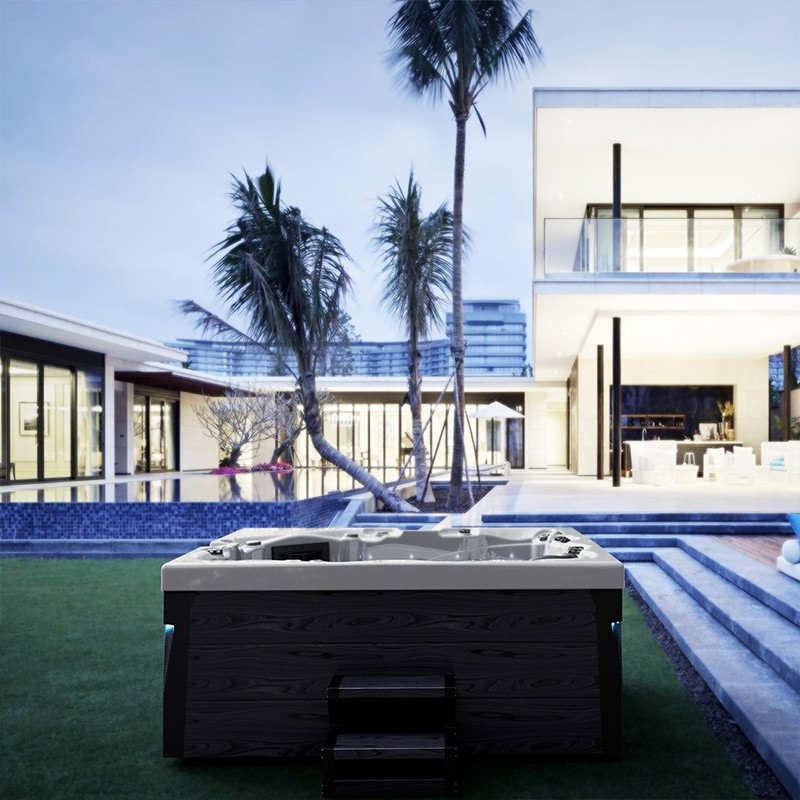
Why might soaking in an outdoor hot tub before bed sometimes negatively affect sleep?
Not everyone experiences the same benefits from a pre-sleep soak. If you find it difficult to fall asleep after soaking, consider the following factors:
First, the water temperature is too high or the soaking duration is too long. If the body absorbs excessive heat, it takes longer to return to a comfortable state, potentially leading to heavy sweating, thirst, and an elevated heart rate. The solution is to lower the water temperature, shorten the soaking time, and allow more time for the body to dissipate heat.
Second, the soak ends too close to bedtime. If you go to bed immediately after a hot soak, your body may not have had enough time to cool down. It is advisable to schedule your soak in advance and adjust the timing based on your actual sleep patterns, rather than simply increasing the frequency of soaks.
Third, the outdoor environment may lack comfort. Excessive lighting, ambient noise, sudden temperature fluctuations, and prolonged mobile phone use can all diminish the relaxation benefits. Consider dimming the lights, limiting the use of electronic devices, and ensuring a safe path for entering and exiting the hot tub.
Fourth, alcohol or caffeine consumption. Consuming caffeine in the evening can delay sleep onset, while alcohol may disrupt sleep continuity. Alcohol also impairs judgment and physical coordination, increasing the risk of dizziness, dehydration, and accidents in a high-temperature environment; therefore, using a modern outdoor jacuzzi tub after drinking alcohol is not recommended.
Who needs to exercise extra caution when using an outdoor hot tub?
For most healthy adults, a moderate warm-water soak can be a relaxing activity. However, children have different thermoregulatory capabilities than adults and should not use an outdoor hot tub set to adult temperature standards. Older adults may be more susceptible to dehydration, low blood pressure, dizziness, and falls; therefore, they should pay special attention to water temperature, soak duration, and safety when entering or exiting the tub.
Pregnant women, individuals with cardiovascular disease or blood pressure regulation issues, and those taking medications that affect thermoregulation or consciousness should consult a doctor to determine the appropriate way to use the tub. Factors such as water temperature, soak duration, and personal health status must be considered holistically; a "one-size-fits-all" standard should not be applied.
Additionally, when using the tub at night, ensure there is adequate lighting, the ground is non-slip, and steps and handrails are secure. For individuals at risk of falling, using the tub alone without necessary safety precautions is not recommended.
If you experience chronic difficulty falling asleep, frequent awakenings, severe snoring, or excessive daytime sleepiness, you should seek a professional evaluation rather than relying solely on a modern outdoor jacuzzi tub to improve your sleep.
Frequently Asked Questions (FAQ)
FAQ 1: Does soaking in a modern outdoor jacuzzi tub before bed affect sleep?
Not necessarily. Soaking in moderately warm water can help the body relax; however, water that is too hot, soaking for too long, or soaking too late in the evening can cause the body to overheat and interfere with falling asleep.
FAQ 2: How long should I soak in an outdoor hot tub before bed?
Healthy adults can start with a session of about 10 minutes and adjust the duration to between 10 and 15 minutes based on personal tolerance. If you experience dizziness, nausea, or heart palpitations, stop using the hot tub immediately.
FAQ 3: What is the ideal water temperature for an outdoor hot tub?
For the purpose of pre-sleep relaxation, try a temperature range of 37–39°C and avoid exceeding 40°C. Specific settings should be adjusted according to your health status and personal tolerance.
FAQ 4: Can I go to sleep immediately after using a modern outdoor jacuzzi tub?
It is advisable to allow time for your body to cool down; try finishing your soak 1 to 2 hours before going to bed. If you still feel noticeably hot or are sweating after the soak, rest until your body returns to a comfortable state before sleeping.
FAQ 5: Can using a modern outdoor jacuzzi tub every night cure insomnia?
It should not be considered a substitute treatment for chronic insomnia. While regular soaking may help some people relax, you should seek a professional medical evaluation if you suffer from long-term insomnia that affects your daily life.