


How do outdoor whirlpool hot tubs affect heart rate?
2026-08-28 15:30As outdoor whirlpool hot tubs transition from traditional leisure bathing fixtures to features found in home gardens, villa terraces, hotels, resorts, and high-end wellness facilities, consumer interest has shifted beyond mere specifications—such as the number of massage jets, acrylic materials, insulation efficiency, and heating speed—to a more critical question: what impact do these tubs actually have on the human cardiovascular system? Why does heart rate accelerate when one immerses oneself in water heated to around 40°C? Is this change in heart rate a normal physiological response, or does it indicate that the heart is under additional strain?
This issue warrants attention because outdoor whirlpool hot tubs create a unique thermal environment. When the body enters water at or above body temperature, cutaneous blood vessels dilate, and the body increases blood flow to the skin to dissipate heat; simultaneously, the water's hydrostatic pressure exerts force on the limbs and torso, altering venous return and cardiac filling. Furthermore, features such as massage jets, water circulation systems, and air bubbles distinguish this environment significantly from a standard shower or conventional bathtub.
Studies have shown that immersion in 40°C water raises core body temperature and increases cutaneous blood flow, while also elevating heart rate. For instance, a study involving healthy young men found significant increases in heart rate and skin blood flow after just 10 minutes of immersion in 40°C water. Another study on men with stable coronary artery disease revealed that after 15 minutes in a 40°C hot tub, the average peak heart rate reached approximately 85 beats per minute, accompanied by a marked drop in blood pressure. In short, the effect of an outdoor whirlpool hot tub on heart rate is not simply a matter of the heart beating faster; rather, it is the result of the interplay between the thermal environment, vasodilation, hydrostatic pressure, and the body's heat dissipation mechanisms.
Consequently, while the use of an outdoor spa hot tub at an appropriate temperature and for a reasonable duration typically elicits predictable cardiovascular physiological responses in healthy adults, individuals with cardiovascular disease, abnormal blood pressure, a risk of arrhythmia, or other health issues should not simply equate "comfort" with "safety." This article systematically explains the relationship between outdoor spa hot tubs and heart rate from various perspectives—including human physiological mechanisms, heart rate patterns, the effects of water temperature, duration of use, risks for specific populations, and product design—while offering professional guidelines for use.
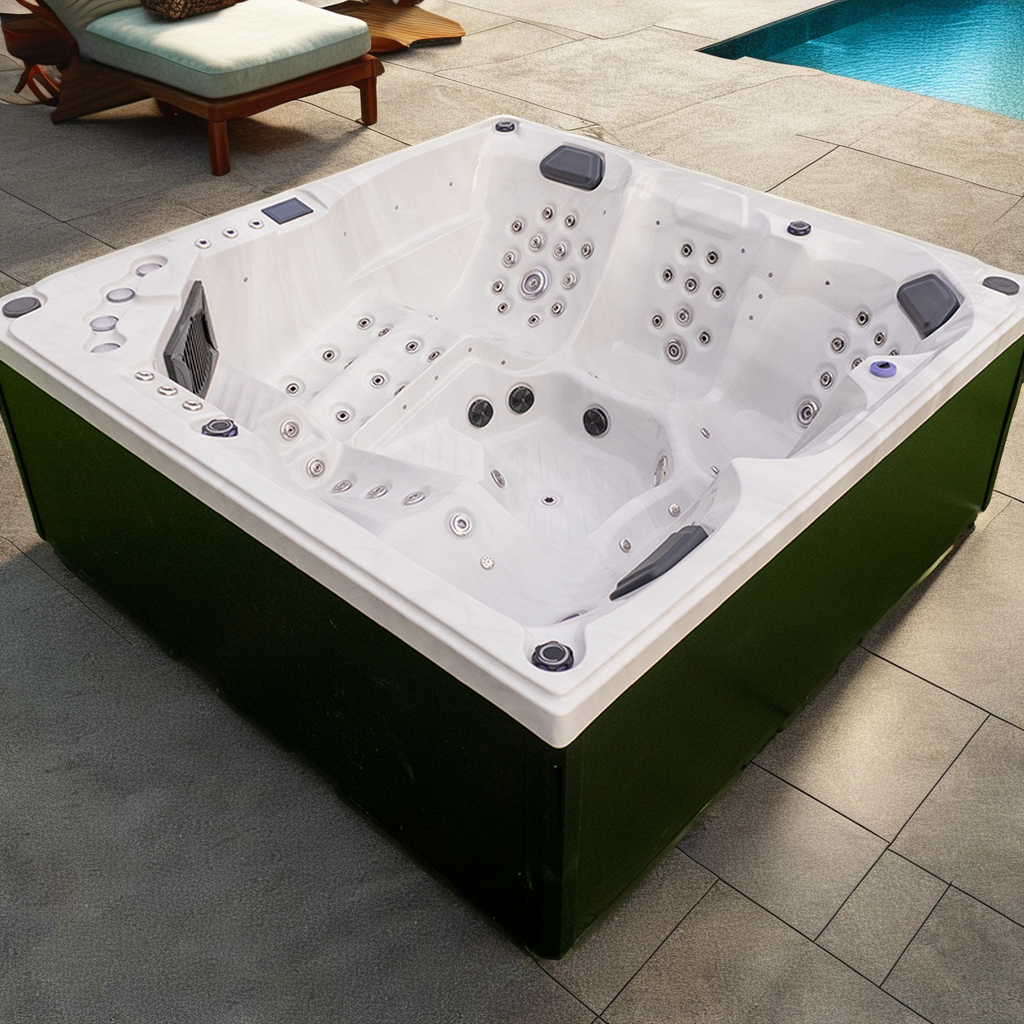
Why does heart rate increase after using an outdoor whirlpool hot tub?
When the body is immersed in hot water at around 40°C—a temperature significantly higher than normal skin temperature—it absorbs a large amount of heat. To prevent core body temperature from rising excessively, the body must transport heat to the surface by dilating cutaneous blood vessels and increasing blood flow to the skin. This vasodilation redistributes more blood to the body's periphery, requiring the heart to adjust its rate and cardiac output to meet circulatory demands.
Simply put, the human body functions like a "heat dissipation system": the hot water imposes a significant thermal load, requiring the cardiovascular system to ramp up its circulatory regulation. Consequently, heart rate typically rises.
A study on immersion in 40°C water showed that after 10 minutes, healthy men experienced a drop in average blood pressure alongside increases in heart rate and cutaneous blood flow, while their core body temperature began to rise. Researchers attributed these changes to the rise in body temperature and the cardiovascular regulatory response triggered by the 40°C water.
Therefore, if a person with a resting heart rate of 70 beats per minute sees that rate climb to 80, 85, or higher upon entering an outdoor whirlpool hot tub, it does not necessarily indicate an abnormality. Heart rate is a dynamic metric influenced by factors such as temperature, physical activity, emotions, caffeine intake, dehydration, and body position.
The real concern is whether the rise in heart rate corresponds to the water temperature and duration of immersion, and whether it is accompanied by symptoms such as dizziness, chest pain, pronounced palpitations, shortness of breath, fatigue, or near-fainting. If such abnormal symptoms occur, the situation can no longer be dismissed as a simple case of "hot water speeding up the heartbeat."
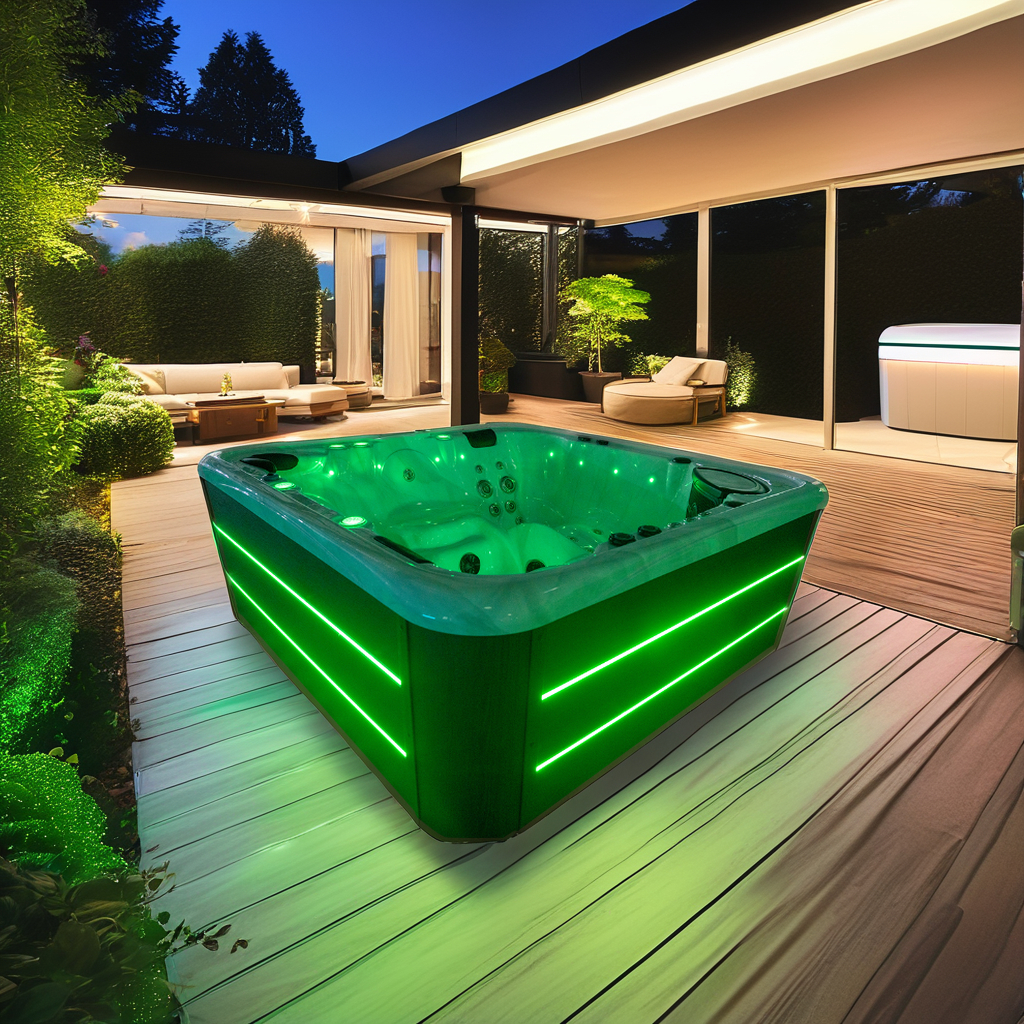
Does a higher water temperature in an outdoor spa hot tub lead to a faster heart rate?
In general physiological terms, higher water temperatures impose a greater thermal load on the body; consequently, the heart rate and thermoregulatory responses are likely to be more pronounced. A study comparing circulating hot water immersion at 40.0°C and 41.5°C provides clear data: when six healthy men were immersed in water at these respective temperatures for 21 minutes, the average peak heart rate reached 123 ± 7 beats per minute (bpm) at 41.5°C, compared to approximately 108 ± 5 bpm at 40°C. Additionally, the higher water temperature resulted in elevated body temperature and increased sweating rates.
This implies that for outdoor whirlpool hot tubs, a temperature increase of "just 1°C" is not necessarily a trivial matter. Raising the water temperature beyond 40°C can significantly increase the body's heat stress.
This is why professional-grade outdoor whirlpool hot tubs should prioritize precise temperature control rather than simply aiming for the "highest possible temperature." CDC safety guidelines for hot tubs explicitly state that water temperatures in spas and hot tubs should not exceed 104°F (40°C), noting that temperatures above this level can increase risks such as drowsiness and heatstroke.
Consequently, the thermostat system, temperature sensors, and overheat protection mechanisms of a high-quality outdoor spa hot tub are directly linked to user safety. When purchasing an outdoor whirlpool hot tub, consumers should look beyond the maximum heating temperature and consider whether the unit can maintain a stable target temperature and whether it features reliable protection mechanisms for handling temperature anomalies.
Why might an outdoor spa hot tub cause blood pressure to drop while heart rate rises?
This is a common point of confusion for those learning about the physiological effects of hot water immersion for the first time.
Intuitively, one might assume that an increased heart rate implies a rise in blood pressure. However, the human cardiovascular system does not operate on a simple "faster heartbeat equals higher blood pressure" principle.
Upon entering an outdoor whirlpool hot tub, heat promotes vasodilation in the skin, reducing peripheral vascular resistance. Under certain conditions, this can lead to a drop in both systolic and diastolic blood pressure. To maintain overall circulation, the body regulates heart rate via the autonomic nervous system, causing the heart to beat more frequently. A study involving patients with hypertension (on stable medication) and normotensive subjects found that after a 10-minute soak in 40°C water, the average systolic blood pressure dropped from 144 mmHg to 122 mmHg in the hypertensive group and from 130 mmHg to 110 mmHg in the normotensive group; heart rates increased in both groups. After exiting the hot tub, blood pressure gradually returned to baseline levels within approximately 10 minutes.
This demonstrates that a combination of "increased heart rate and decreased blood pressure" is not necessarily contradictory; rather, it may be a normal physiological response during the body's thermoregulation process.
However, precisely because of this, some individuals may experience dizziness or even brief orthostatic discomfort (feeling faint upon standing) if they sit in an outdoor whirlpool hot tub for too long, stand up suddenly, or exit the water abruptly. Caution is particularly advised for those with naturally low blood pressure, those taking antihypertensive medication, or those with autonomic nervous system regulation issues.
How does heart rate typically change when entering an outdoor spa hot tub?
There is no single, universal figure for heart rate changes; the outcome depends on factors such as age, resting heart rate, physical condition, water temperature, immersion depth, duration, and the use of massage jets.
Generally, the physiological changes experienced in an outdoor whirlpool hot tub can be viewed as occurring in several stages.
In the first few minutes after entering the hot water, the body rapidly senses the temperature change, cutaneous blood vessels begin to dilate, and the heart rate may start to rise. As immersion continues and core body temperature gradually increases, the cardiovascular system adjusts more intensely to dissipate heat, potentially leading to a further rise in heart rate.
When soaking in 40°C water for more than 10 minutes, heart rate changes are usually more pronounced than in merely warm water. Studies have observed significant changes in heart rate and cutaneous blood flow after more than 10 minutes of immersion in 40°C water.
If immersion continues for an extended period, heat load accumulates, potentially causing the heart rate to rise further while increasing the likelihood of dehydration, blood pressure fluctuations, and fatigue. Therefore, the sensation of "comfort" provided by an outdoor whirlpool hot tub should not be the sole criterion for deciding whether to continue soaking.
This is especially relevant during winter use; the contrast with cold outdoor air can make the hot water feel exceptionally pleasant, leading individuals to overlook the heat load building up within their bodies. In reality, a low outdoor ambient temperature does not mean that the thermal load placed on the body by 40°C hot water disappears.
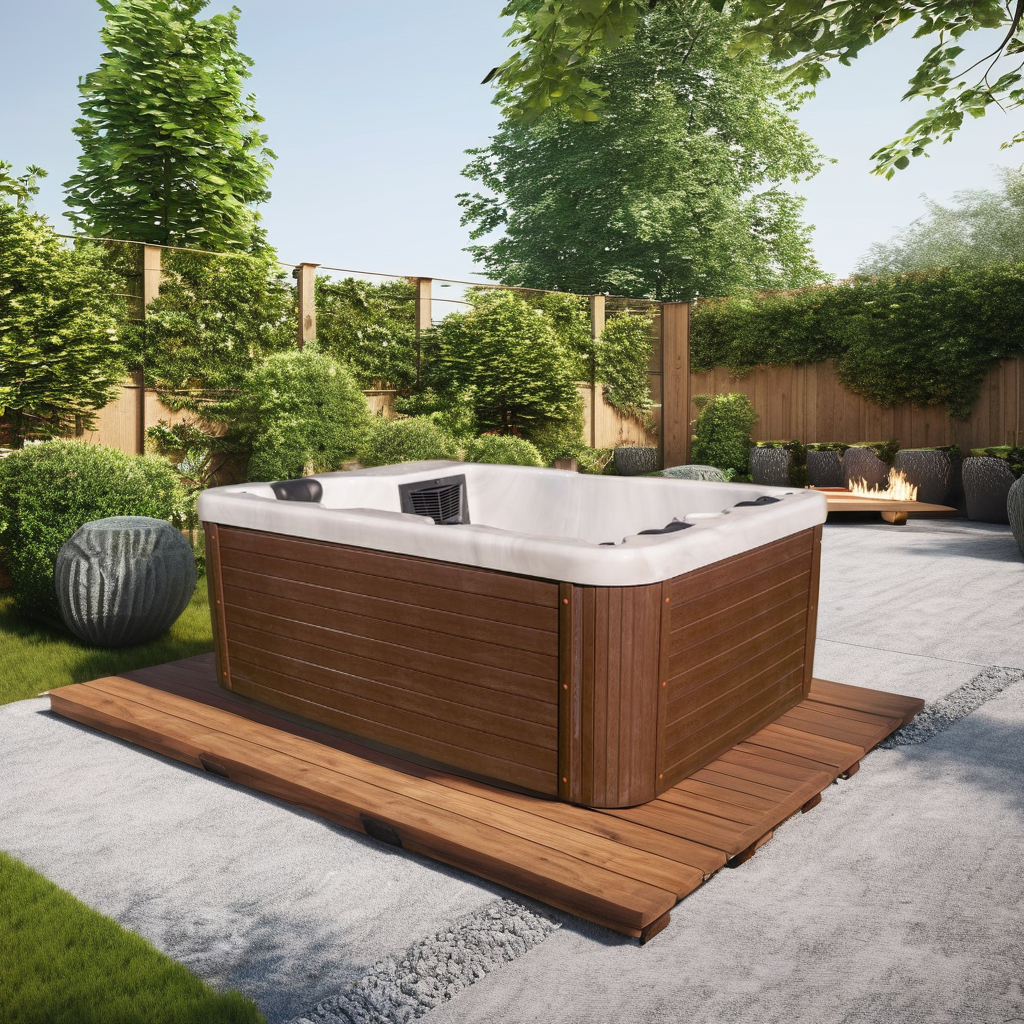
Can people with heart disease use outdoor whirlpool hot tubs?
This question cannot be answered with a simple "yes" or "no."
Studies have been conducted involving immersion in 40°C water among patients with stable coronary heart disease. In one study, 15 clinically stable men with coronary heart disease immersed themselves in 40°C water for 15 minutes; researchers observed a peak heart rate of approximately 85 ± 14 beats per minute, compared to approximately 112 ± 19 beats per minute during stationary cycling. Systolic and diastolic blood pressures were also significantly lower during the hot bath than during exercise, and no ischemic ECG changes or clinical complications were observed during the study.
However, this study should not be interpreted to mean that "all heart disease patients can safely use outdoor spa hot tubs." The study subjects were a specific group of clinically stable patients, and the duration, water temperature, and monitoring conditions were strictly defined. In real-life scenarios, hot tub use may last longer, and users might consume alcohol, become dehydrated, be alone, or stand up suddenly from the hot water.
Therefore, for individuals with coronary heart disease, arrhythmias, heart failure, a history of recent cardiovascular events, or those taking multiple cardiovascular medications, the suitability of using an outdoor whirlpool hot tub should be determined by a physician based on their specific medical condition, rather than decided independently based on a single online study.
In particular, if one has previously experienced chest pain, significant palpitations, fainting, or shortness of breath during exercise, one certainly should not attempt to "test cardiac tolerance" by soaking in hot water.
Why shouldn't outdoor whirlpool hot tubs exceed 40°C?
From a consumer perspective, 40°C may not seem like an exceptionally high temperature, given that the normal human body temperature is around 37°C. However, water transfers heat much more efficiently than air; consequently, the thermal load imposed on the body by a 40°C water environment is substantial.
Data from the CDC's Model Aquatic Health Code indicates that 40°C is the common maximum operating temperature for spas and hot tubs in the United States. It emphasizes that temperatures exceeding 40°C can cause drowsiness, heatstroke, or even death; the CDC also specifies that water temperature should not exceed 104°F (40°C). Even more noteworthy is a study comparing immersion in 40°C versus 41.5°C water; it found that a mere 1.5°C increase caused peak heart rate to rise from approximately 108 to 123 beats per minute, while also further increasing core body temperature and sweating rates.
This has direct implications for the product design of outdoor whirlpool hot tubs. Temperature control precision is not merely a "comfort parameter"; it is actually a component of safety performance.
Therefore, a high-quality outdoor whirlpool spa hot tub should feature reliable temperature sensors, thermostatic control, and mechanisms for heating and overheating protection, while also allowing users to clearly see the actual water temperature.
What is the appropriate duration for an outdoor spa hot tub soak?
There is no single duration that applies to everyone.
The higher the water temperature, the greater the body's sensitivity, the hotter the environment, or the higher the level of dehydration, the shorter the safe duration may be. A 10-minute soak in 40°C water is sufficient to elicit a significant cardiovascular response, and studies involving 40°C water often utilize durations in the 10–15 minute range.
Consequently, for the average healthy adult, a more sensible strategy is to start with a shorter duration and adjust based on the body's response, rather than soaking for a long time during the first use. Especially at temperatures approaching 40°C, there is no need to equate a longer soak with better therapeutic results.
If you experience dizziness, nausea, noticeable heart palpitations, unusual fatigue, chest pain, difficulty breathing, confusion, or a sensation of impending fainting, you should immediately exit the hot tub and seek appropriate medical assistance. In cases involving severe symptoms such as significant chest pain, difficulty breathing, or fainting, follow local emergency medical protocols.
Can an outdoor whirlpool hot tub really replace exercise?
This is a topic frequently exaggerated in marketing materials.
Hot water immersion does indeed trigger increases in heart rate and changes in blood flow and body temperature; some studies have found that it can provide a degree of cardiovascular physiological stimulation. For instance, a study on patients with stable coronary artery disease showed that a 15-minute soak in 40°C water elicited certain cardiovascular responses, yet the changes in heart rate and blood pressure remained distinctly different from those associated with actual exercise. Therefore, one cannot simply claim that "soaking in an outdoor whirlpool hot tub is equivalent to running" or that "using a spa can completely replace exercise."
Physical exercise involves muscle contraction, energy expenditure, cardiopulmonary strain, and long-term training adaptations, whereas hot water immersion primarily elicits physiological responses through heat stress, vasodilation, and thermoregulation. The underlying mechanisms differ.
A more accurate statement would be: outdoor whirlpool hot tubs offer a hot water immersion and hydrotherapy experience that produces noticeable short-term physiological effects on the circulatory system, but they cannot replace the physical activity and exercise training recommended by medical professionals.
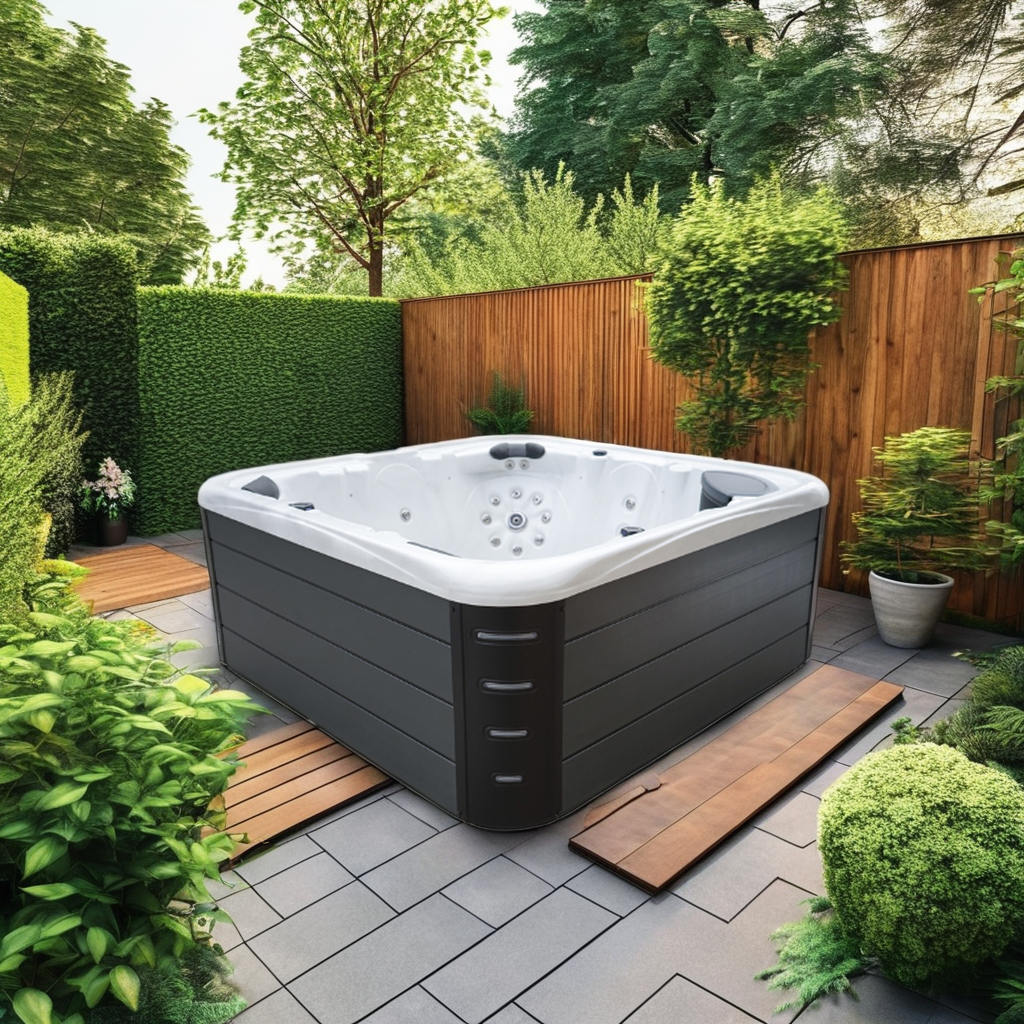
FAQ: outdoor whirlpool hot tubs and Heart Rate
1. Is it normal for heart rate to increase while using an outdoor spa hot tub?
For healthy adults, a moderate increase in heart rate is a common physiological response when soaking in warm water, especially at temperatures approaching 40°C. Studies show that after 10 minutes of immersion in 40°C water, the body experiences increased heart rate, heightened skin blood flow, and a rise in core body temperature. However, if the heart rate becomes significantly abnormal and is accompanied by symptoms such as chest pain, difficulty breathing, severe dizziness, or near-fainting, use should be discontinued immediately.
2. Can outdoor spa hot tubs cause blood pressure to rise?
Not necessarily. Hot water causes vasodilation (widening of blood vessels) in the skin; consequently, some individuals may experience a drop in both systolic and diastolic blood pressure while soaking, even as their heart rate increases. A study involving patients undergoing treatment for hypertension found a significant decrease in systolic blood pressure after 10 minutes of immersion in 40°C water. However, individual responses vary.
3. Can people with heart disease use outdoor whirlpool hot tubs?
There is no one-size-fits-all answer. Research on clinically stable patients with coronary artery disease has found that, under specific conditions, some stable patients can tolerate a 15-minute soak in 40°C water; however, this does not mean that high-temperature spas are suitable for all heart disease patients. Individuals with coronary artery disease, arrhythmia, heart failure, or a history of recent cardiovascular events should consult a doctor before use.
4. What is a safe temperature for an outdoor whirlpool hot tub?
Temperatures above 40°C are generally not recommended. Relevant CDC guidelines for hot tubs explicitly set 104°F (40°C) as the maximum water temperature limit, noting that higher temperatures may increase risks such as drowsiness and heatstroke. The actual operating temperature should also be adjusted based on the user's age and physical condition, as well as the equipment manufacturer's instructions.
5. Can using an outdoor whirlpool hot tub harm the heart due to an elevated heart rate?
For healthy adults, an increase in heart rate—occurring within reasonable limits of water temperature and duration—is typically a normal physiological response to a hot environment; a rise in heart rate alone does not indicate heart damage. However, factors such as high temperatures, prolonged immersion, dehydration, alcohol consumption, and underlying cardiovascular conditions can increase risk; therefore, an outdoor whirlpool hot tub should not be treated as a device for unlimited use.