


Can I plug the jets in a spa jacuzzi tub?
2026-03-18 15:30Many users have similar questions when using or maintaining a spa jacuzzi tub:
"If I don't want water to come out from a certain spot, can I plug the jets in the spa jacuzzi tub?"
"Will plugging the jets affect the spa jacuzzi tub?"
"Are there any safe ways to reduce the jetting instead of directly blocking it?"
Jets are a crucial component of a spa jacuzzi tub, directly affecting water flow distribution, water pressure balance, massage effect, and the safe operation of the entire system.
Therefore, the question of "can I plug the jets?" cannot be answered simply with "yes" or "no." A comprehensive analysis from structural principles, system operating logic, and safety perspectives is necessary.
This article will explain clearly from a professional perspective:
Can you plug the jets in a spa jacuzzi tub? Why is it not recommended? What is the correct procedure if you don't want to use certain jets?
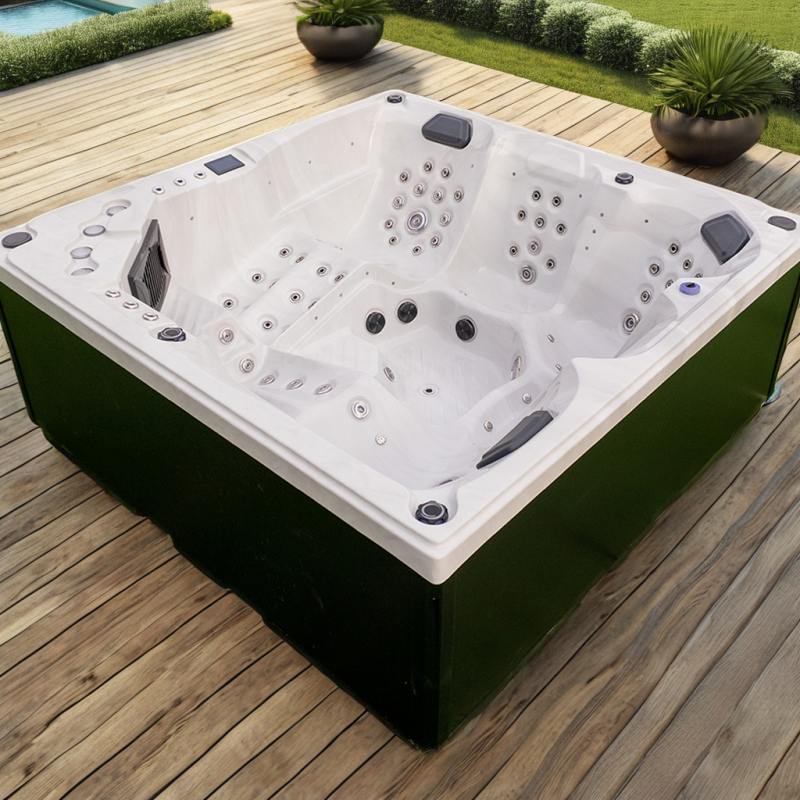
What role do the jets in a spa jacuzzi tub play in the system?
To answer the question "Can the jets in a spa jacuzzi tub be blocked?", we must first understand the role of jets in the spa jacuzzi tub system.
1. Jets are the "release ports" for water flow
The jets in a spa jacuzzi tub are the final outlets for water pressurized by the pump.
The water flow path of the entire system is typically:
Inlet → Pump → Piping → Jets → Back into the tub.
Jets do not exist independently but are an integral part of the entire circulation system.
2. Jets determine the "outlet pressure balance"
When designing a spa jacuzzi tub, the overall water pressure release balance is calculated based on:
• Pump power
• Piping length
• Number of jets
• Jet diameter
Each jet has the function of "releasing excess pressure".
Why would anyone want to block the jets in a spa jacuzzi tub?
In practical use, users typically want to plug the jets for the following reasons:
1. To avoid being sprayed from a certain spot
Some people find certain jet positions uncomfortable and want to completely shut them off.
2. To concentrate water pressure on other jets
They believe that plugging some jets will make the remaining jets spray more powerfully.
3. Damaged or leaking jets
They want to temporarily plug the jets before replacing the parts.
4. Misoperation during cleaning or maintenance
They temporarily plug the jets with foreign objects and then forget to remove them.
These motivations seem logically reasonable, but they present significant safety hazards in the structural design of a spa jacuzzi tub.
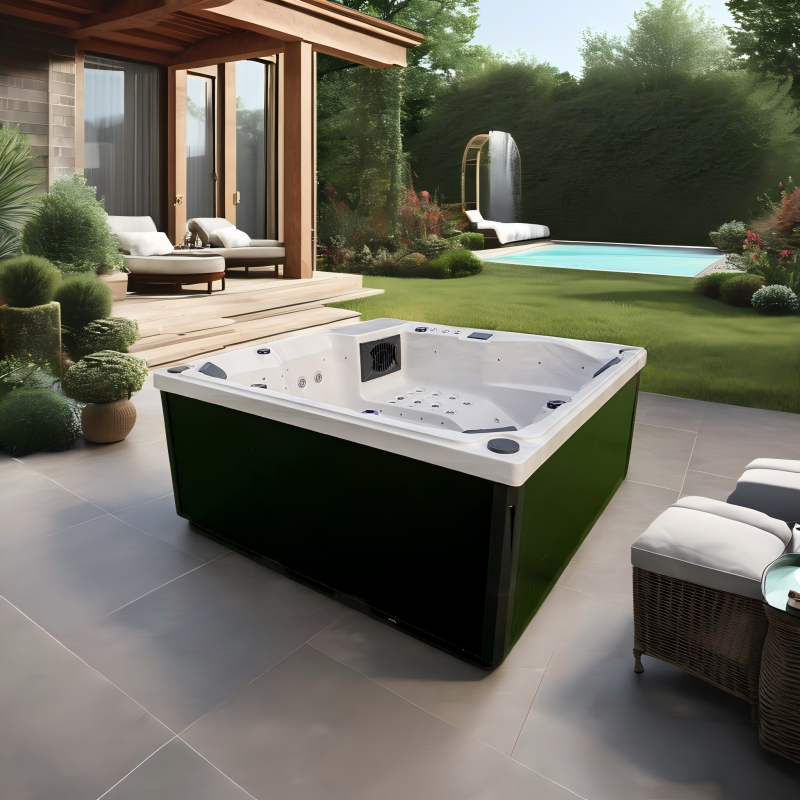
Can you directly plug the jets of a spa jacuzzi tub?
It is not recommended, and you should not directly plug the jets of a spa jacuzzi tub.
From a professional perspective, directly plugging the jets is not how a spa jacuzzi tub is designed and used.
The reason is as follows:
• A spa jacuzzi tub is not a system that "releases water on demand."
• It is a system that "releases pressure in a balanced manner."
Blocking the jets is equivalent to artificially disrupting the system's pressure outlet.
What risks does blocking the jets pose to a spa jacuzzi tub?
1. Water pressure imbalance
Reducing the number of jets decreases the water outlet, causing a significant increase in internal system pressure.
2. Increased pump load
Pumps are designed to operate at a predetermined flow rate. When the water flow cannot be released smoothly:
• Increased pump resistance
• Increased operating temperature
• Increased operating noise
Over time, this will significantly shorten the pump's lifespan.
3. Increased Risk of Piping Pressure Issues
SPA jacuzzi tubs typically have a flexible or semi-rigid pipe structure. Exceeding the design pressure can lead to:
• Loosening of joints
• Accelerated aging of seals
• Risk of pipe leakage
4. Potential Triggering of System Safety Protection
Some SPA jacuzzi tubs are equipped with pressure or flow protection. In case of an anomaly, the system may automatically shut down.
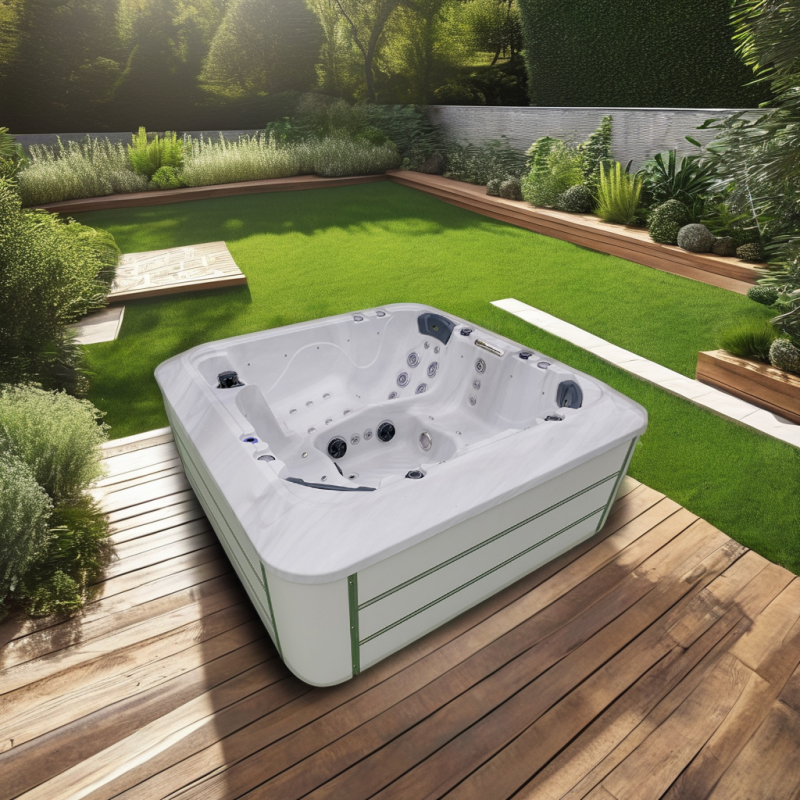
Will blocking some jets make the flow of others stronger?
This is a very typical misconception.
Theoretically: It might temporarily increase the flow.
In practice: The risks far outweigh the benefits.
While reducing the number of jets might temporarily increase the flow of some jets, this increase is:
• Non-linear
• Unstable
• Accompanied by abnormal system pressure
SPA jacuzzi tubs do not regulate jet force by "blocking the outlet," but rather through:
• Jet regulation
• Zone valves
• Air mixing system
How do SPA jacuzzi tub jets distribute water pressure?
During the design phase, engineers calculate:
• The flow rate of each jets
• The flow distribution ratio among the jets
• Piping resistance losses
All jets contribute to the system's pressure balance.
Blocking any jets will disrupt this balance.
Will blocking jets affect the pump and piping system?
Definitely, and the impact is structural.
Impact on the pump:
• Increased operating current
• Increased heat generation
• Accelerated bearing wear
Impact on the piping:
• Excessive local pressure
• Stress concentration at joints
• Increased risk of hidden leaks over long-term use
These problems may not be immediately apparent, but they represent typical "chronic damage."
Will blocking jets affect the lifespan of the spa jacuzzi tub?
The answer is: Yes.
The lifespan of the spa jacuzzi tub depends on whether the system is consistently operating within:
• The design pressure range
• The design flow range
Intentionally blocking jets is equivalent to operating the system under "non-design conditions" for an extended period. This directly affects:
• Pump lifespan
• Piping lifespan
• Seal lifespan
• Overall stability
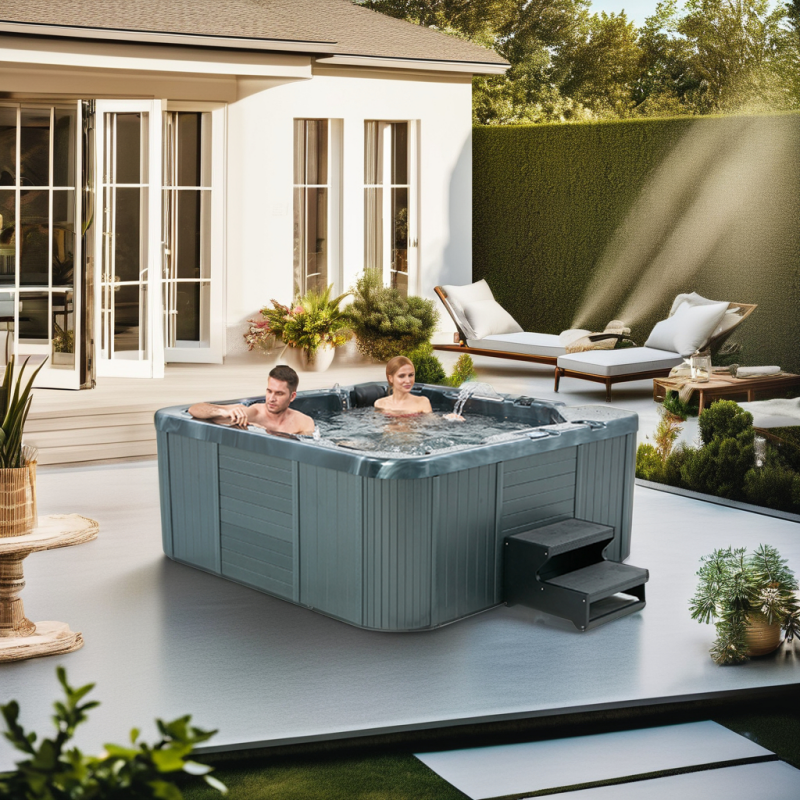
What are the correct alternatives if you don't want certain jets to spray water?
1. Use the built-in shut-off or adjustment functions of the jets
Many spa jacuzzi tub jets support:
• Rotary shut-off
• Adjusting the water flow intensity
This is the safest and most recommended method.
2. Use a zone valve
High-end spa jacuzzi tubs usually have zone valves that concentrate the water flow to a specific group of jets, rather than achieving this through clogging.
3. Adjust the air mixing ratio
Reducing air mixing can also make the jet feel softer.
4. Adjust your sitting posture or position
Sometimes changing your sitting position can avoid using jets you don't want to use.
Do spa jacuzzi tub jets themselves support shut-off?
Many jets are "shut-off jets," but the method is to rotate them rather than clogging them.
The characteristics of this shut-off method are:
• The internal water flow remains unobstructed.
• It will not cause abnormal system pressure.
• It is a feature designed by the manufacturer.
This is fundamentally different from "blocking the jets outlet with foreign objects."
Common Misconceptions about Blocking Spa Jacuzzi Tub Jets
Misconception 1: Blocking the jets is only temporary and will not cause problems.
→ Even for a short time, it may cause pressure surges.
Misconception 2: Blocking only one jet is fine.
→ The system design is holistic; changes at a single point can have a chain reaction.
Misconception 3: Blocking the jets is the same as shutting them off.
→ This is a completely wrong understanding.
Should spa jacuzzi tub jets be blocked?
❌ It is not recommended, and you should not directly block the jets of the spa jacuzzi tub.
The correct approach is to:
• Use the built-in adjustment function of jets
• Use water flow zone control
• Achieve jet adjustment through system design
The spa jacuzzi tub is a system highly dependent on water pressure balance; any crude "clogging behavior" will bring potential risks.