


Can an outdoor freestanding hot tub be placed against a wall?
2026-05-15 15:35When planning outdoor spaces, many users encounter a very practical question: can a freestanding spa hot tub be placed against a wall?
From space utilization and safety distances to ease of maintenance, placing it against a wall seems simple, but it actually involves multiple professional considerations.
This article will systematically analyze whether an outdoor free standing hot tub is suitable for wall placement from the perspectives of structural design, installation logic, ventilation and heat dissipation, maintenance space, and safety regulations, helping you make a reasonable judgment based on understanding the principles.
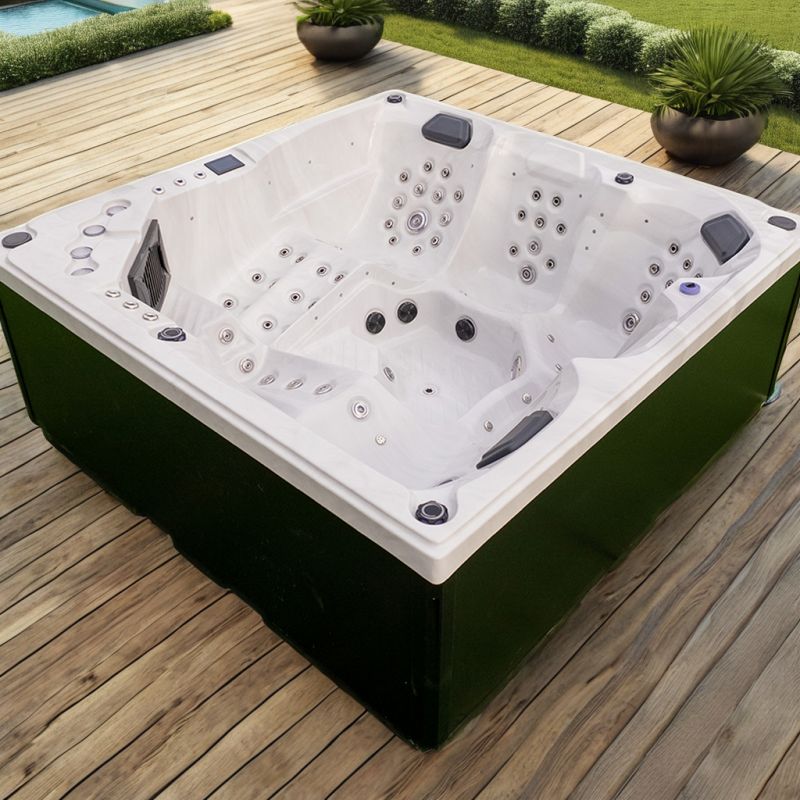
What is a freestanding hot tub? Why is its placement so important?
A freestanding spa hot tub is a spa device that does not need to be embedded in the ground or wall and can be placed independently. It typically has a complete structural shell, internal support system, and independent piping and electrical system.
Because a freestanding hot tub is an "integrated device," its placement directly affects:
• Operational stability
• Daily user comfort
• Feasibility of later maintenance and repair
• Ventilation, drainage, and safety performance
Therefore, whether to place it against a wall is not simply a matter of space, but a systemic issue.
Can an outdoor freestanding hot tub be placed against a wall?
From a structural and functional perspective, free standing hot tubs do not require complete openness on all sides. Placement against one or more walls is feasible, provided installation and maintenance requirements are met.
However, it's important to emphasize:
"Can be placed against a wall" ≠ "Can be flush against the wall"
This is a common misconception among users.
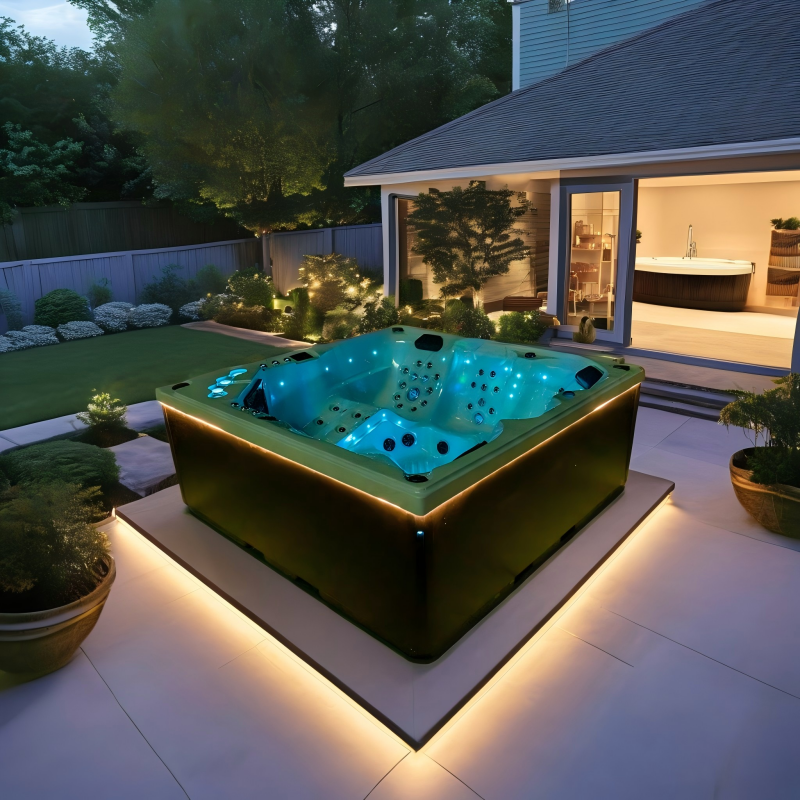
How much space should be reserved when placing a freestanding hot tub against a wall?
This is one of the key questions in determining whether wall placement is suitable.
In professional installation, maintenance space must be reserved around a free standing hot tub, primarily for:
• Inspecting the water pump and heating system
• Replacing the filter
• Inspecting pipes and electrical connections
Even when placed against a wall, it's generally necessary to:
• Maintain accessible maintenance space on at least one side
• Maintain a reasonable distance between the wall and the tub
• Avoid completely sealing off the equipment compartment
If a free standing hot tub is flush against the wall, future maintenance will become extremely difficult.
Why is it not recommended to install a freestanding hot tub completely flush against a wall?
While wall-mounted placement is attractive when space is limited, the risks of completely flush against a wall cannot be ignored.
Reasons why completely flush-mounted free standing hot tubs are not recommended:
• Limited ventilation: The unit generates heat during operation.
• Reduced heat dissipation efficiency: Affects the heating system and electrical components.
• Moisture buildup: Long-term effects may damage the wall or the unit's casing.
• Inconvenient maintenance: The entire tub needs to be moved in case of problems.
From a long-term usage perspective, these issues negatively impact the stability and user experience of a free standing hot tub.
Will placing a freestanding hot tub against a wall affect ventilation and heat dissipation?
Free standing hot tubs contain a water pump, motor, and heating system, all of which generate heat during operation. Improper wall placement can indeed affect airflow.
However, ventilation issues are usually manageable if the following conditions are met:
• One side of the tub remains open or ventilated.
• Ventilation vents are not directly facing a closed wall.
• The wall does not obstruct heat dissipation areas.
In other words, a properly designed wall-mounted placement will not necessarily affect the heat dissipation performance of a freestanding spa hot tub.
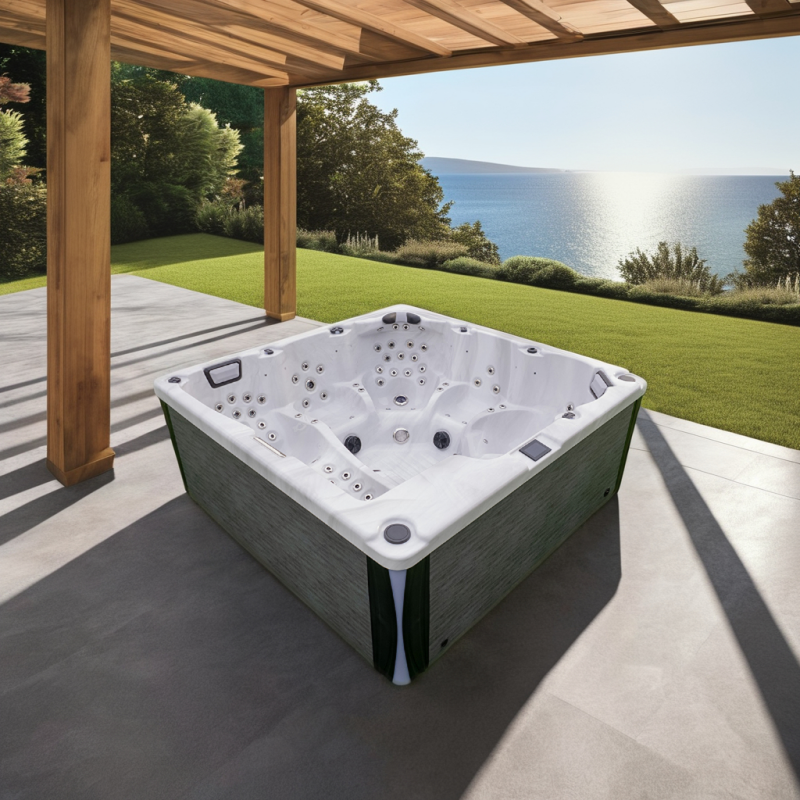
Will the wall material affect the placement of a freestanding hot tub?
The answer is: Yes.
Different wall materials have varying degrees of suitability for placing a free standing hot tub against a wall.
Key factors to consider include:
• Is the wall moisture-resistant?
• Is the wall prone to water accumulation or dampness?
• Will the wall reflect or absorb heat?
In outdoor environments, walls are constantly exposed to moisture and humidity. If the material is unsuitable, it may indirectly affect the surrounding environment of the bathtub.
Will placing a freestanding hot tub against a wall affect the drainage system?
Technically, placing it against a wall does not directly affect the drainage function of a freestanding spa hot tub, provided that:
• The drain outlet is not obstructed by the wall.
• The drain pipe still has a reasonable slope.
• The drainage direction is clear and there is no backflow.
If placing it against a wall obstructs the drain outlet or restricts the drainage pipe's routing, the installation location needs to be reassessed.
Can a free standing hot tub be placed against three walls?
Theoretically, a free standing hot tub can be placed against three walls, but stricter conditions must be met:
• At least one side must be completely open, serving as a maintenance and operation surface.
• The tub compartment must be located on an accessible side.
• Good ventilation paths must be formed between the walls.
If three sides are against walls but there are no access points for maintenance, this placement is generally not recommended.
Does placing it against a wall affect the comfort of using a freestanding hot tub?
With a reasonable layout, placing it against a wall does not reduce the comfort of using a free standing hot tub.
On the contrary, in some cases, placing it against a wall can:
• Provide better privacy
• Reduce airflow interference
• Make the space layout more compact and organized.
The key is whether functionality and maintenance needs are considered while placing it against a wall.
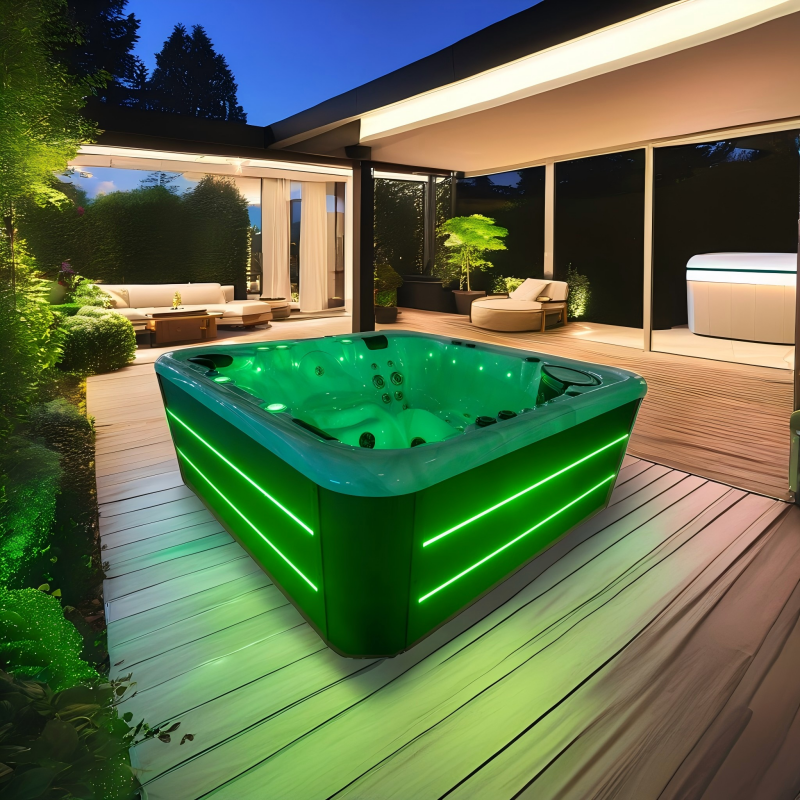
How to determine if a freestanding hot tub is suitable for wall placement before installation?
Before making a decision, consider the following:
• Location of the bathtub compartment
• Whether the wall obstructs ventilation
• Whether sufficient maintenance space is provided
• Whether drainage and electrical connections are limited
If these conditions are met, then placing a free standing hot tub against a wall is entirely feasible.
Does Lovia Spa support branding and packaging customization?
Yes, Lovia Spa supports customized branding and packaging solutions. As a professional factory, our company helps customers create unique spa jacuzzi tub products that align with their brand identity. This is ideal for businesses looking to expand their market presence.